A poorly planned retail counter can affect much more than the checkout experience. If the counter is too large, positioned in the wrong place, or designed without considering customer flow, it can reduce valuable merchandising space, create unnecessary queues, and make daily operations more difficult for staff. This is why effective counter store design should never focus only on the appearance of a single counter.
Retail counter design should balance checkout efficiency, product display, brand presentation, staff workflow, durability, and space planning. From retail checkout counter ideas to custom retail service counters, the right counter supports both customer engagement and long-term store performance.
A well-designed retail counter can improve customer experience, store flow, merchandising, and daily sales operations. Here is how to plan counters for retail as part of a complete shopfitting project.
Why Retail Store Counter Design is Important?
The design, features, and merchandising capacity of your sales counters are critical to retail success. No matter what products you sell, a well-conceived checkout counter, cash wrap, shop counter, or retail store counter can have a major effect on customer experience and profitability.
A store counter is often one of the final touchpoints in the customer journey. It is where payment happens, questions are answered, products are packed, loyalty programs are introduced, and impulse items can be displayed. If the counter store design is crowded, poorly positioned, or difficult for staff to use, it can create friction at the most important moment of the transaction.
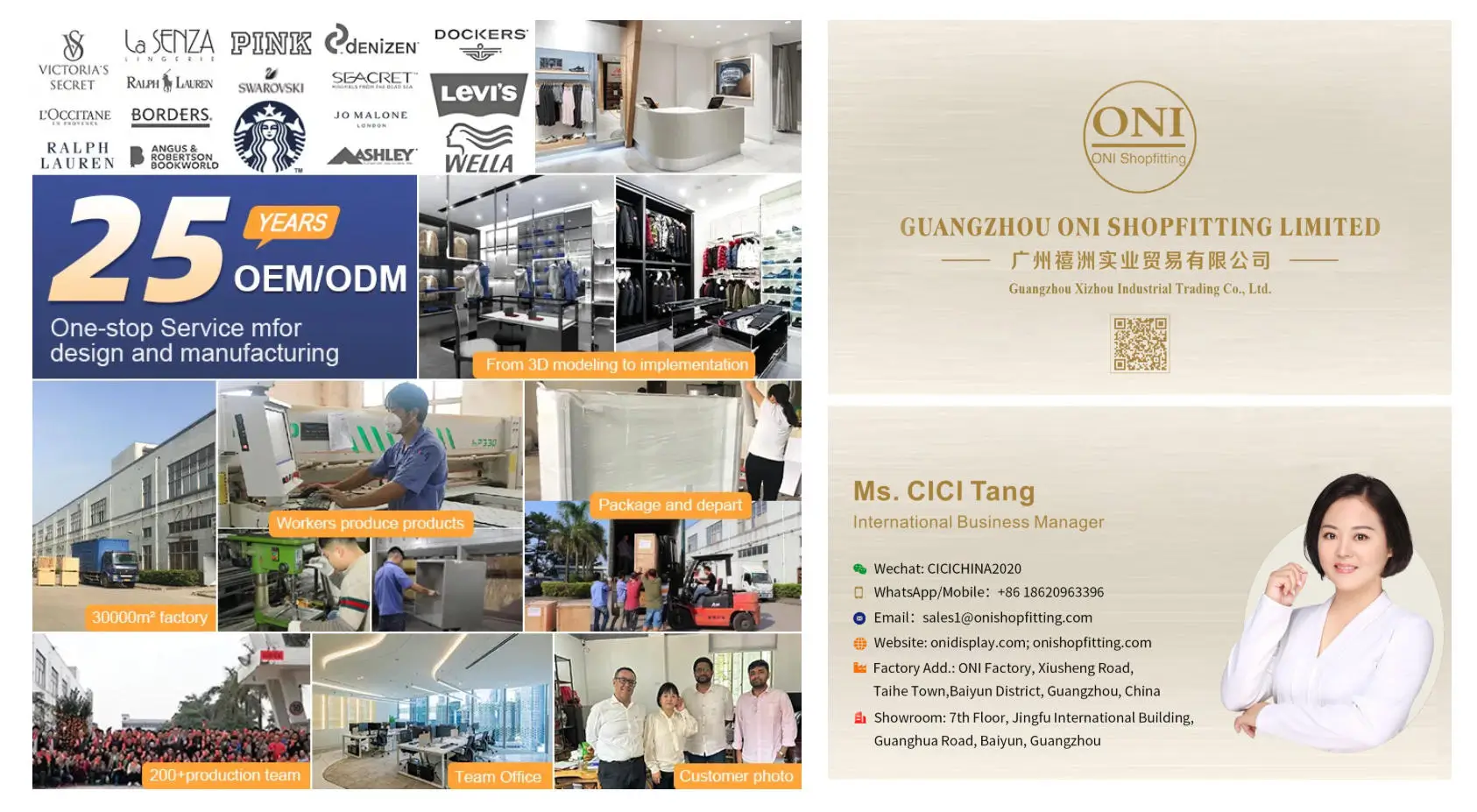
For global retail brands, contractors, and shopfitting companies, retail counters should not be treated as isolated furniture pieces. They should be planned as part of the full store environment, connecting store layout, display fixtures, lighting design, material selection, customer flow, back-of-counter storage, manufacturing, and installation requirements. For broader retail environment planning, ONI Display’s one-stop shopfitting services help brands coordinate counter design with the full store fixture package.
Counter Design Starts With Store Function
Before choosing colors, finishes, or decorative details, buyers should define what the counter needs to do. A retail counter may be used for checkout, customer service, product demonstration, food and beverage service, gift wrapping, consultation, repair intake, or product pickup.
Different store formats require different counter functions. Fashion stores need clean cash wraps with packaging storage. Jewelry stores need secure sales counters with glass display areas and lockable drawers. Cosmetics stores need consultation space, product testers, mirrors, and lighting. Bakeries and beverage shops need durable worktops, food-service surfaces, and service flow planning. Electronics stores may need demonstration areas, cable management, and secure storage.
This is why custom store counter planning should begin with daily workflow. Staff should have enough space for POS systems, payment devices, shopping bags, wrapping materials, receipt printers, inventory tools, and customer service tasks. A beautiful counter that does not support operation can slow down the store and reduce efficiency.
Store Layout and Counter Placement
Counter placement has a direct impact on customer movement. A retail shop counter placed too close to the entrance may block traffic, while a counter hidden too far away can make checkout difficult to find. The best position depends on store size, product category, traffic direction, and customer behavior.
In many retail stores, the checkout counter is placed near the exit to create a natural final step in the shopping journey. In luxury boutiques, sales counters may be placed deeper inside the store to support consultation and personal service. In high-volume stores, multiple shop counters may be needed to reduce queue pressure and support faster transactions.
Good counter store design also considers sightlines. Staff should be able to see key areas of the store from behind the counter, while customers should be able to identify where to pay or ask for help. This improves both service and store management. For stores that need broader fixture planning, ONI Display’s guide to types of custom retail store fixtures can help buyers connect counters with wall displays, gondolas, shelving, and category zones.
Retail Counter Ideas by Store Type
Retail counter ideas should match the store’s business model, customer expectations, and product category. A one-size-fits-all counter rarely works well across different retail environments.
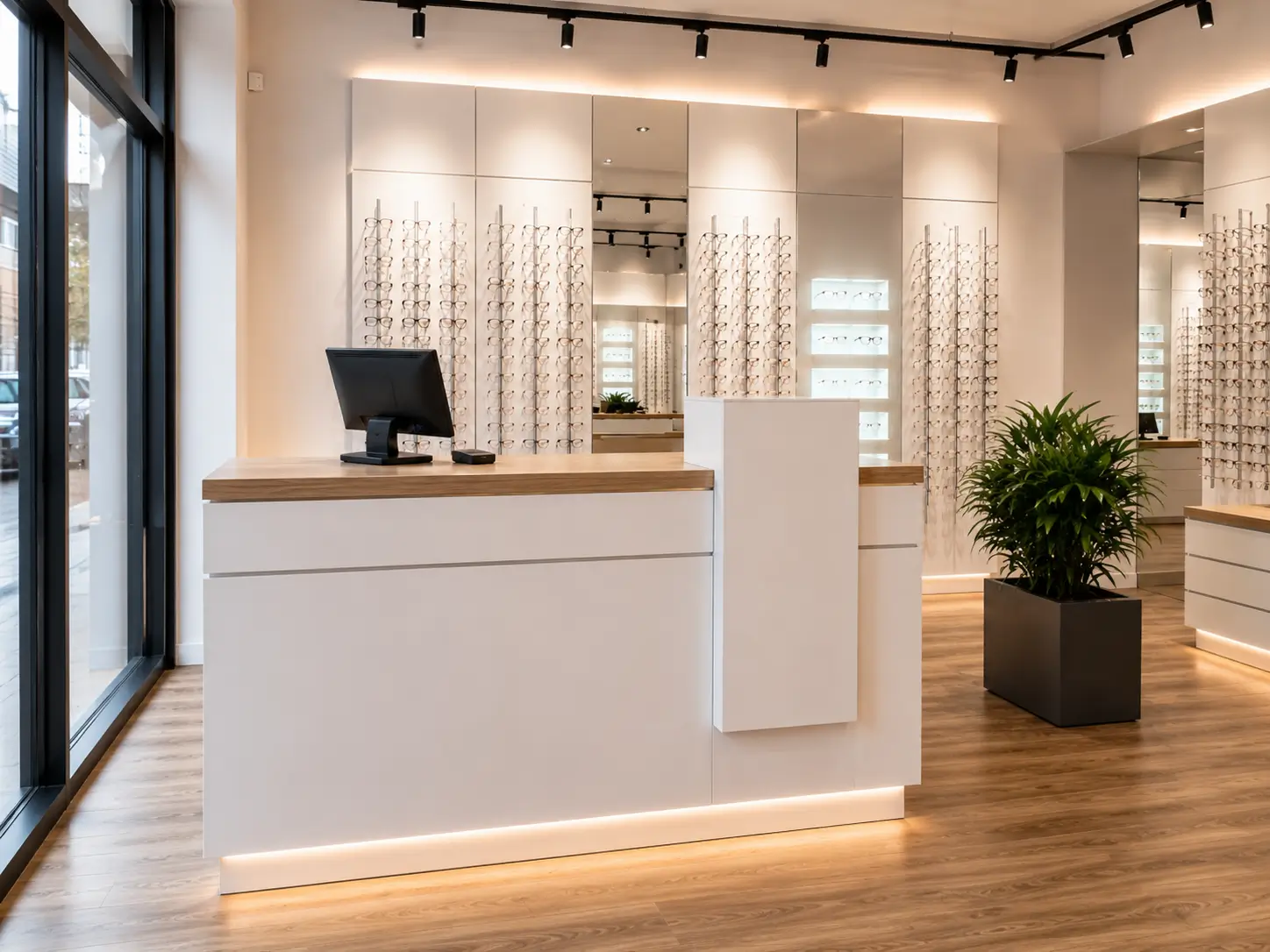
For fashion stores, the counter should support checkout, packaging, returns, and brand presentation. Clean surfaces, hidden storage, bag compartments, and integrated POS areas help maintain a tidy appearance. The counter can also include a small impulse display zone for accessories, socks, jewelry, fragrance, or seasonal add-ons.
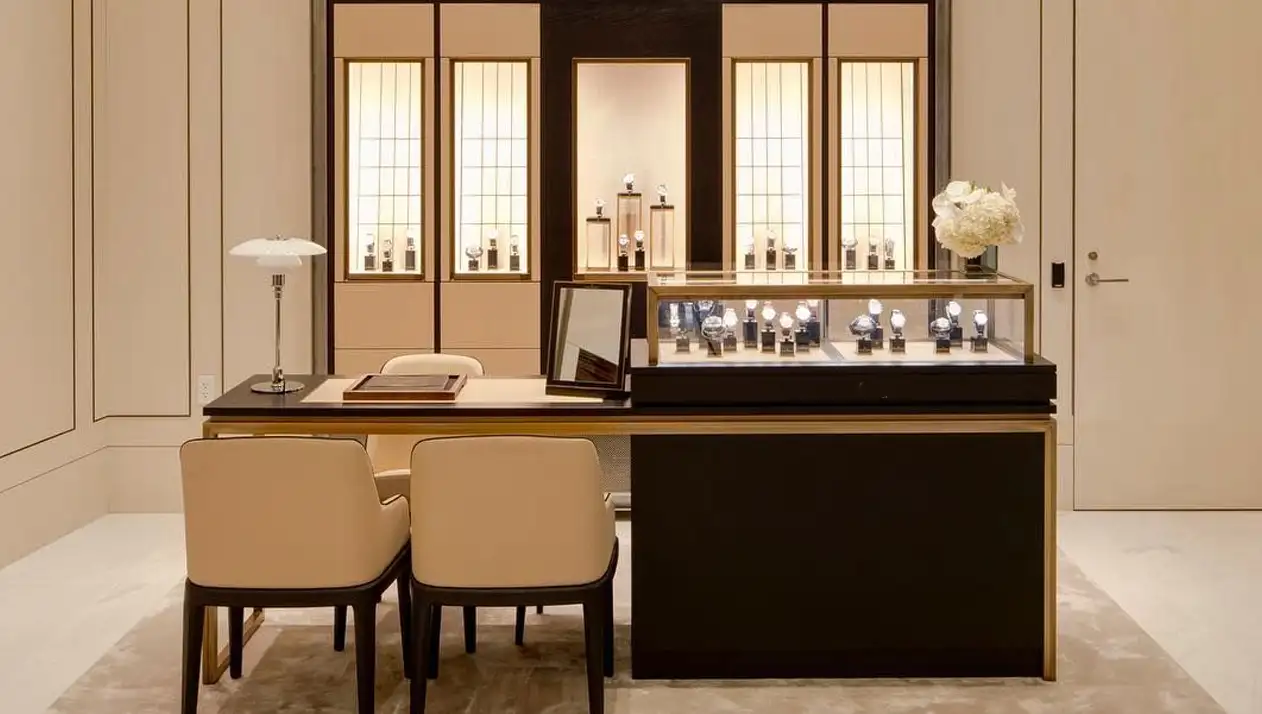
For jewelry, watch, or luxury retail, sales counters often combine transaction space with secure product presentation. Glass display sections, lockable drawers, velvet-lined trays, integrated LED lighting, secure storage compartments, and premium metal or wood finishes can help create a more refined and controlled customer experience. For jewelry-focused projects, ONI Display’s custom jewelry store fixtures can support secure counters, display showcases, wall systems, and lighting coordination.
For pharmacy, cosmetics, electronics, and specialty retail, custom retail service counters may need stronger functional planning. They may include consultation zones, cable management, display shelves, product testers, service windows, drawers, or back-counter storage. The counter should help staff serve customers quickly while keeping essential tools organized.
Common Types of Retail Counters
Different retail counters serve different operational and merchandising purposes. Some counters are designed mainly for payment and checkout, while others support product display, consultation, customer service, food and beverage preparation, or premium sales interaction. Choosing the right counter type helps retailers improve staff workflow, customer convenience, product presentation, and overall store efficiency.
| Counter Type | Best Use | Key Design Focus |
|---|---|---|
| Checkout Counter | General retail payment area | POS integration, queue flow, storage |
| Cash Wrap Counter | Fashion, lifestyle, specialty stores | Packaging, brand presentation, hidden storage |
| Sales Counter | Jewelry, cosmetics, electronics | Product interaction, display, staff service |
| Service Counter | Pharmacy, repair, consultation, pickup | Workflow, privacy, document or tool storage |
| Display Counter | Jewelry, watches, accessories, cosmetics | Glass display, lighting, lockable storage |
| Food and Beverage Counter | Bakery, coffee, dessert, beverage retail | Durable worktop, hygiene, service flow |
| Custom Store Counter | Flagship stores and branded retail projects | Brand identity, layout fit, material coordination |
Display Fixtures Around the Counter
A store counter should work with surrounding display fixtures. The area around the counter can support impulse buying, brand storytelling, customer service, and product education.
Counter-area fixtures may include countertop trays, small shelves, glass display cases, product risers, back-wall displays, lightboxes, pegboard panels, brand signage, and queue-line displays. These supporting fixtures can help retailers introduce accessories, seasonal items, add-on products, or promotional messages without overwhelming the checkout area.
The goal is to avoid clutter while using the counter area strategically. Customers should feel guided, not pressured. Staff should be able to access products and tools easily without making the counter look messy.
Material Selection for Retail Counters
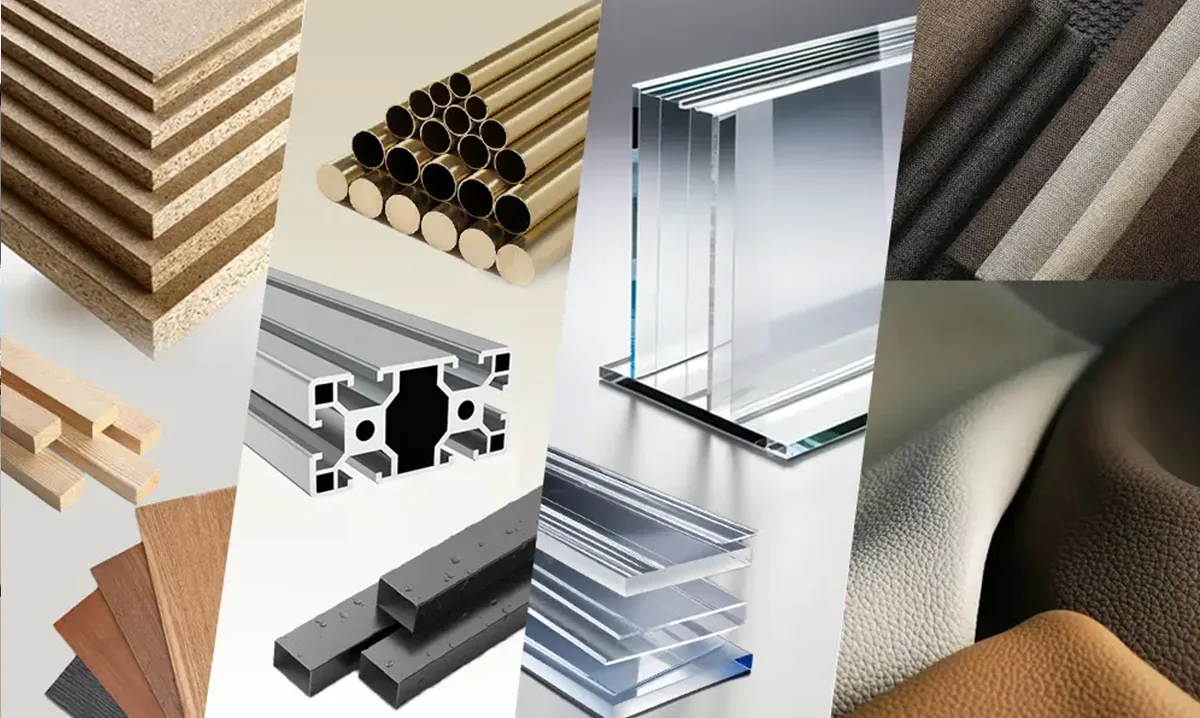
Material selection affects appearance, durability, cost, maintenance, and brand image. Common materials for counters for retail include MDF, plywood, solid wood, stainless steel, powder-coated metal, stone, glass, acrylic, laminate, veneer, solid surface, and LED lighting components.
For high-traffic retail counters, durability is essential. Worktops should resist scratches, stains, impact, and daily cleaning. Edges should be smooth and safe. Hardware should be strong enough for repeated use. Drawers, hinges, locks, and cable openings should be engineered for long-term operation.
- Matte black metal can create a modern look.
- Wood veneer can feel warm and premium.
- Stone or solid surface can support luxury presentation.
- Glass and acrylic can create lighter visual effects.
- Brushed stainless steel can support a clean, durable commercial style.
The best retail counter design balances beauty with practical manufacturing and maintenance.
Lighting Ideas for Retail Counters
Lighting can make a retail counter more functional and visually attractive. It helps customers see products clearly, supports staff work, and strengthens the overall store atmosphere.
For display counters, integrated LED lighting can highlight jewelry, watches, cosmetics, eyewear, and premium accessories. For checkout counters, soft under-counter lighting or back-wall lighting can reinforce brand identity without distracting from transactions. For service counters, task lighting helps staff perform detailed work.
Lighting should be planned with materials and product type. Glossy finishes, glass panels, and reflective products may create glare if lighting angles are not controlled. A professional shopfitting plan should coordinate lighting, counter height, display depth, and customer viewing angle. Broader retail lighting and energy considerations can also be informed by energy-efficient lighting guidance when stores evaluate LED systems and long-term operating costs.
Manufacturing Considerations for Custom Store Counters
Custom store counter manufacturing requires more than cutting panels and assembling a cabinet. It involves design development, engineering drawings, material selection, structural planning, surface finishing, lighting integration, hardware installation, quality control, packaging, and delivery coordination.
Important manufacturing details include counter dimensions, staff-side storage, customer-side appearance, cable management, POS placement, lock systems, drawer slides, kick plates, corner protection, branding details, and installation method.
For multi-store projects, the counter should also be repeatable, easy to pack, and suitable for consistent installation across locations. A custom retail service counter may require even more technical coordination if it includes glass display areas, electrical components, food-service surfaces, secure storage, or modular parts. ONI Display’s custom retail display manufacturing facility supports engineering, woodworking, metal fabrication, lighting integration, quality control, packaging, and global delivery.
From Counter Store Design to Complete Shopfitting
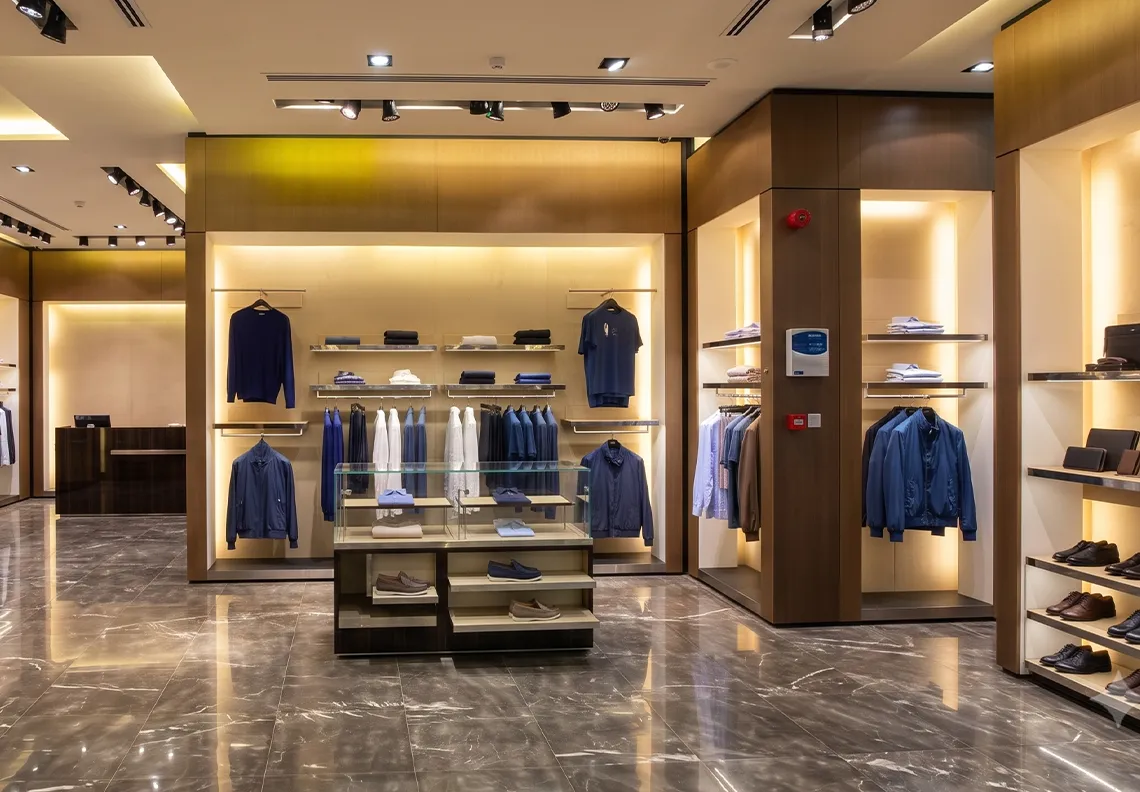
A successful counter store design should not stand alone. It should connect naturally with the full retail shopfitting project, including wall fixtures, gondola displays, apparel racks, shelving, signage, flooring, ceiling, lighting, storage, fitting rooms, and installation planning.
When the counter is designed together with the rest of the store, the final result feels more consistent. Materials match. Sightlines improve. Customer flow becomes smoother. Product displays support the sales process. Staff can work more efficiently.
This is especially important for flagship stores, chain rollouts, shopping mall stores, airport retail, department store counters, franchise projects, and renovation programs. Complete shopfitting helps buyers manage the entire project from concept to manufacturing, packaging, delivery, and installation guidance. For apparel stores, ONI Display’s custom apparel store fixtures can coordinate counters with racks, wall displays, display tables, fitting rooms, and checkout areas.
Summary
Retail counter design plays an important role in customer flow, merchandising, staff efficiency, brand presentation, and the overall shopping experience. For better results, the counter should be planned together with the store layout, display fixtures, materials, lighting, storage, and manufacturing requirements, ensuring every element works as part of one consistent retail environment.
Frequently Asked Questions
What is the purpose of a retail counter?
A retail counter supports checkout, customer service, product display, storage, staff workflow, and brand presentation within the store.
What are the best retail checkout counter ideas?
Useful retail checkout counter ideas include hidden storage, POS integration, impulse display areas, durable worktops, cable management, lighting, and clear customer flow.
Can ONI Display customize retail store counters?
Yes. ONI Display can customize retail store counter systems, sales counters, shop counters, checkout counters, and complete shopfitting solutions for global retail projects.
Planning a New Retail Store? Talk to Us About Your Complete Shopfitting Project.
A retail store counter is more than a payment desk. It is a service point, display tool, storage solution, brand touchpoint, and operational center. If you are planning a new retail store, renovation, flagship project, or chain rollout, ONI Display can help turn your retail counter ideas and shopfitting concepts into production-ready retail fixtures. Talk to Us About Your Complete Shopfitting Project.
 WhatsApp / Call: +86 186 2096 3396
 Email: sales1@onishopfitting.com
 Website: www.onidisplay.com
 Factory Location: Guangzhou, China