Plywood vs MDF for Custom Store Fixtures
Compare strength, durability, moisture resistance, finishes and cost to choose the right board for retail display cabinets and custom store interiors.
Plywood vs MDF for Retail Display Cabinets
What Are Plywood and MDF?
The plywood vs MDF decision starts with panel construction. Plywood consists of bonded wood veneers, typically arranged with alternating grain directions. MDF is made from wood fibres bonded with resin and pressed into a uniform board.
Both materials are used in retail display fixtures. Plywood store fixtures often benefit from a strong layered core, while MDF provides a smooth substrate for painted and laminated surfaces. The right choice for custom retail fixtures depends on the specified grade, thickness, shelf span, hardware and service environment.
Custom Display Fixtures Materials Comparison: Plywood vs MDF
Plywood Options for Store Fixtures
- Hardwood plywood
- Birch plywood
- Lightweight plywood options
- Decorative veneer-faced plywood, etc.
Process Overview
Plywood retail fixtures require controlled panel selection and accurate joinery.
- Panel Selection: Confirm face grade, core quality, thickness and bond classification.
- Cutting: Cut panels to approved drawings while controlling tear-out.
- CNC Machining: Prepare grooves, joints and hardware holes.
- Edge Treatment: Apply edge banding or finish exposed layers as specified.
- Finishing and Assembly: Apply veneer, laminate or coatings, then inspect fit and hardware operation.
Performance & Durability
- Structural Performance: Quality plywood can provide useful stiffness for cabinet carcasses and shelves.
- Hardware Fixing: Core quality, screw type, pilot holes and edge distances affect holding performance.
- Moisture Behavior: Bond classification matters; exposed wood and edges still need protection.
- Core Consistency: Check voids and veneer quality for reliable machining.
- Durability: Proper joints, surface finishes and supports help plywood cabinets withstand everyday retail use.
Surface Finishes for Plywood Store Fixtures
Plywood display cabinets can show natural grain or carry a decorative surface. Specify face quality, edge treatment, coating system and a physical sample before production. Finish selection should reflect cleaning routines and expected wear.

Natural Wood Veneer
Provides visible wood grain for plywood custom cabinets; match grain direction and approve color samples.
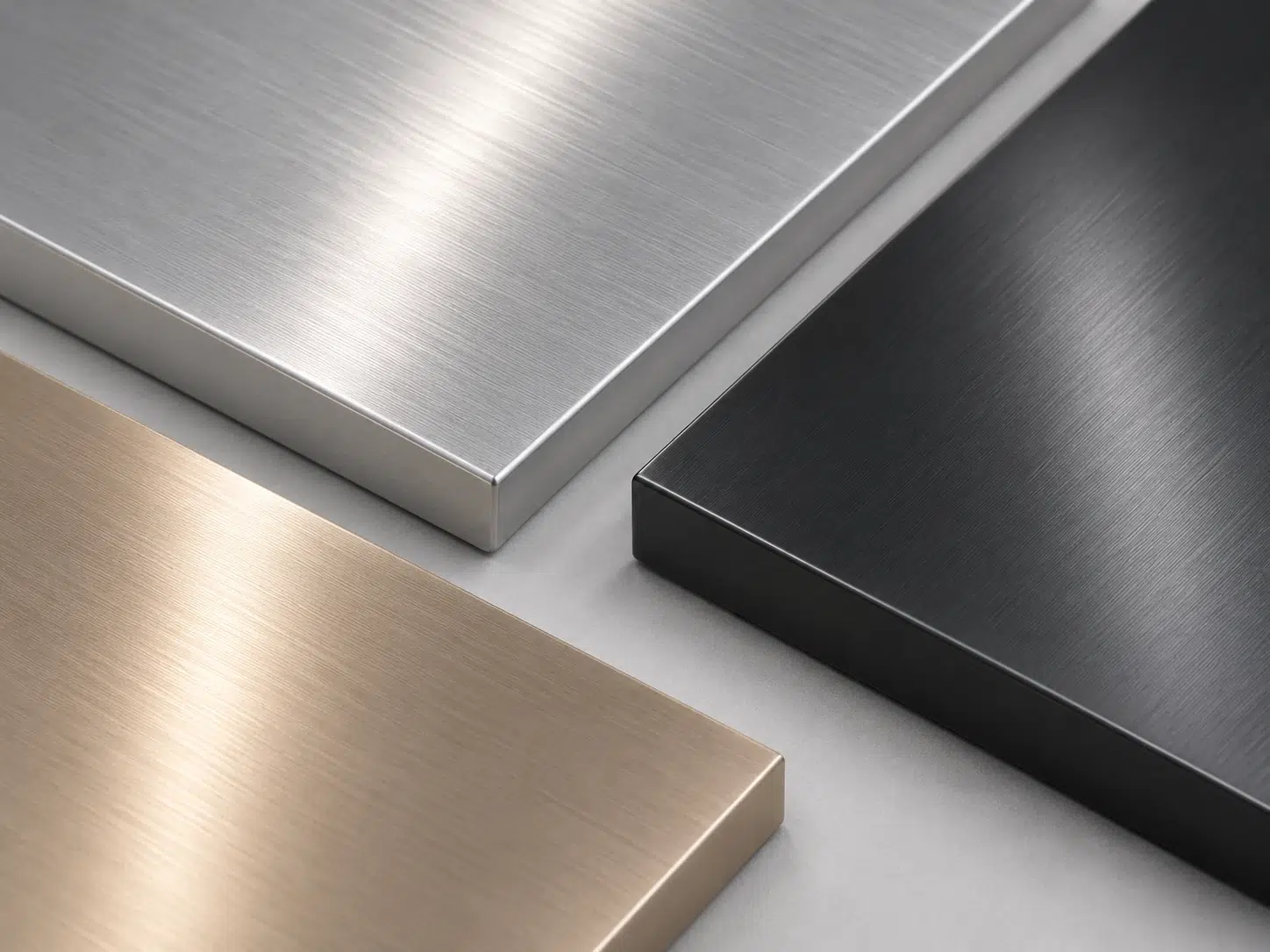
High-Pressure Laminate
Provides a decorative wear surface; edge joints and substrate preparation require careful detailing.
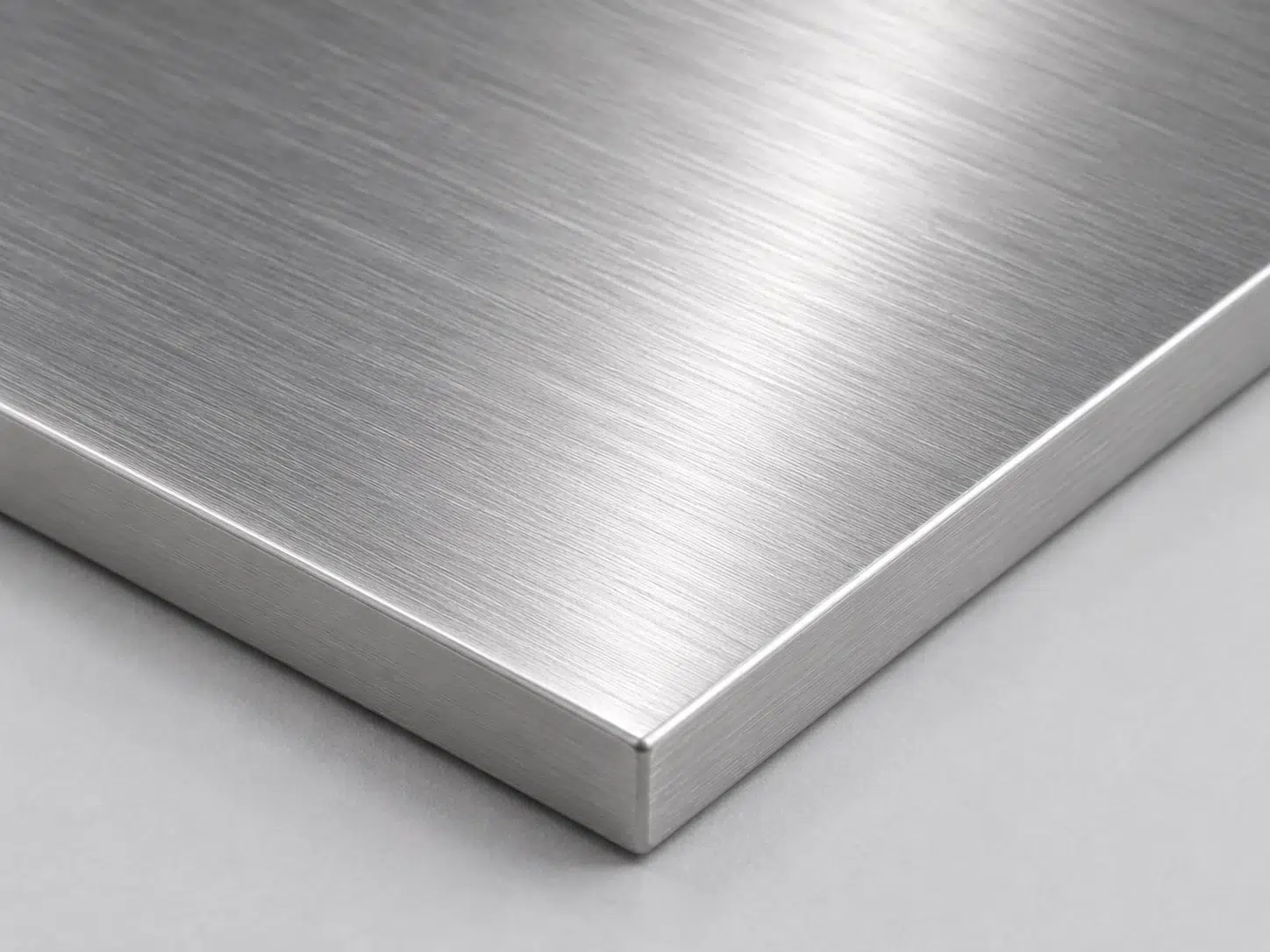
Painted Finish
Creates brand colors with suitable filling, sealing and preparation of the veneer surface.
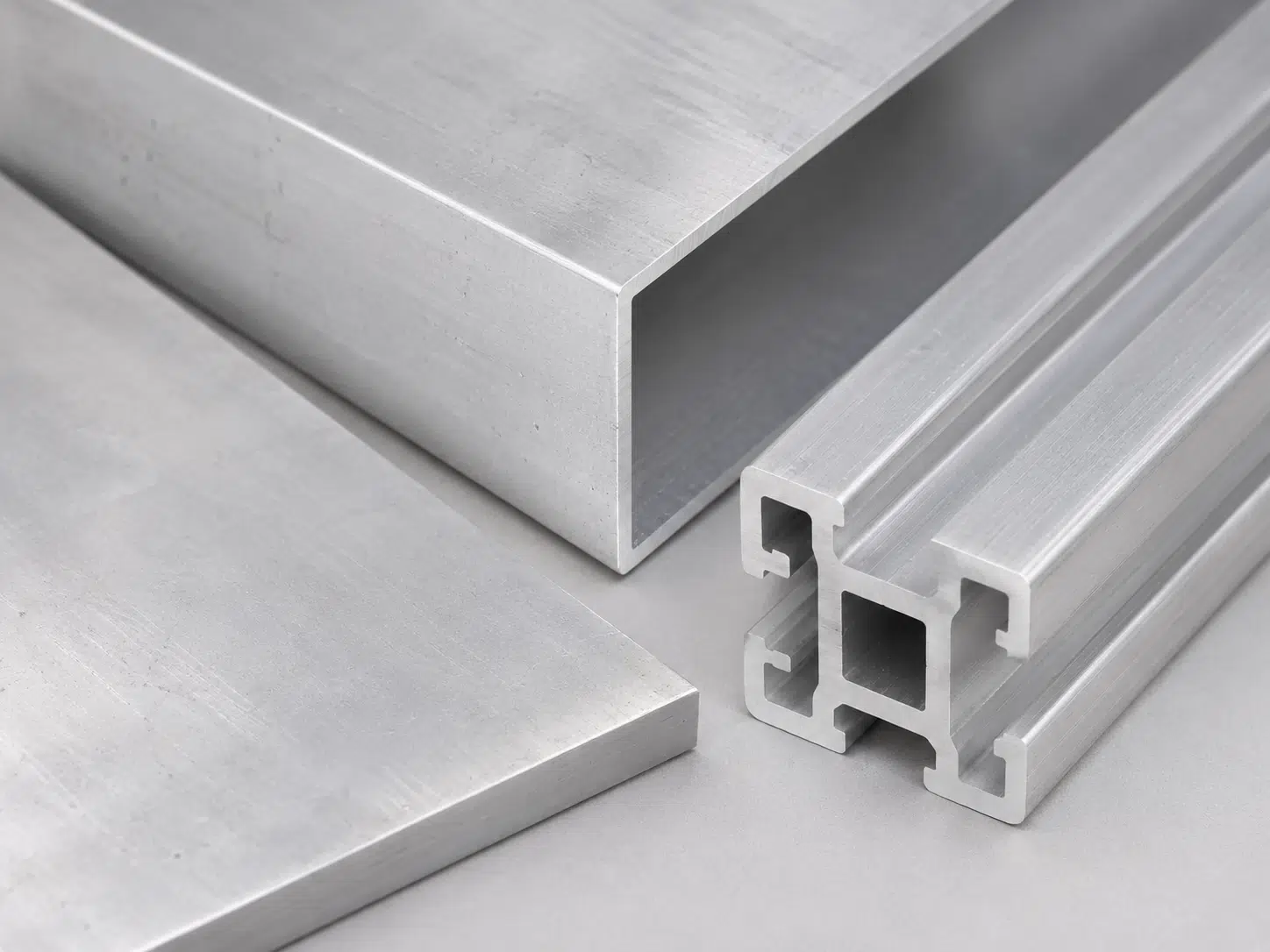
Exposed Plywood Edges
Displays the layered core as a design feature when core quality and edge finishing are suitable.
Applications of Plywood Retail Fixtures
Plywood store fixtures are often considered for cabinet structures, supported shelves and components with repeated hardware use. A material specification should address the actual loads rather than relying on the board name alone.
- Plywood Display Cabinets: Cabinet carcasses coordinated with glass doors and display lighting.
- Plywood Cabinets: Storage units with shelves, hinges and drawer runners.
- Retail Counters: Structural cabinet components beneath decorative finishes.
- Display Plinths: Stable product platforms with appropriate internal reinforcement.
- Wall Display Units: Supported shelving and cabinets with designed wall fixings.
- Modular Displays: Components designed for transport and assembly.
- Plywood Custom Cabinets: Tailored dimensions and joinery for individual store layouts.
Process Overview
Custom MDF store fixtures benefit from uniform panels and a planned finishing sequence.
- Grade Selection: Match the panel to moisture exposure, finish and machining needs.
- Cutting and Routing: Produce profiles, grooves and decorative features.
- Hardware Preparation: Use suitable fasteners and pilot holes without over-tightening.
- Edge Sealing: Prepare absorbent cut edges before painting.
- Surface Finishing: Apply the approved paint, veneer or laminate system and inspect all joints.
Performance & Durability
- Uniform Surface: Consistent structure supports smooth painted finishes and routed profiles.
- Weight: MDF is commonly dense and heavy; compare actual board data.
- Shelf Design: Long spans may need additional support to control deflection.
- Moisture Limits: Standard MDF can swell when wet; moisture-resistant grades are not automatically waterproof.
- Hardware Care: Edge fixings and repeated removal need suitable joint design.
Surface Finishes for MDF Retail Fixtures
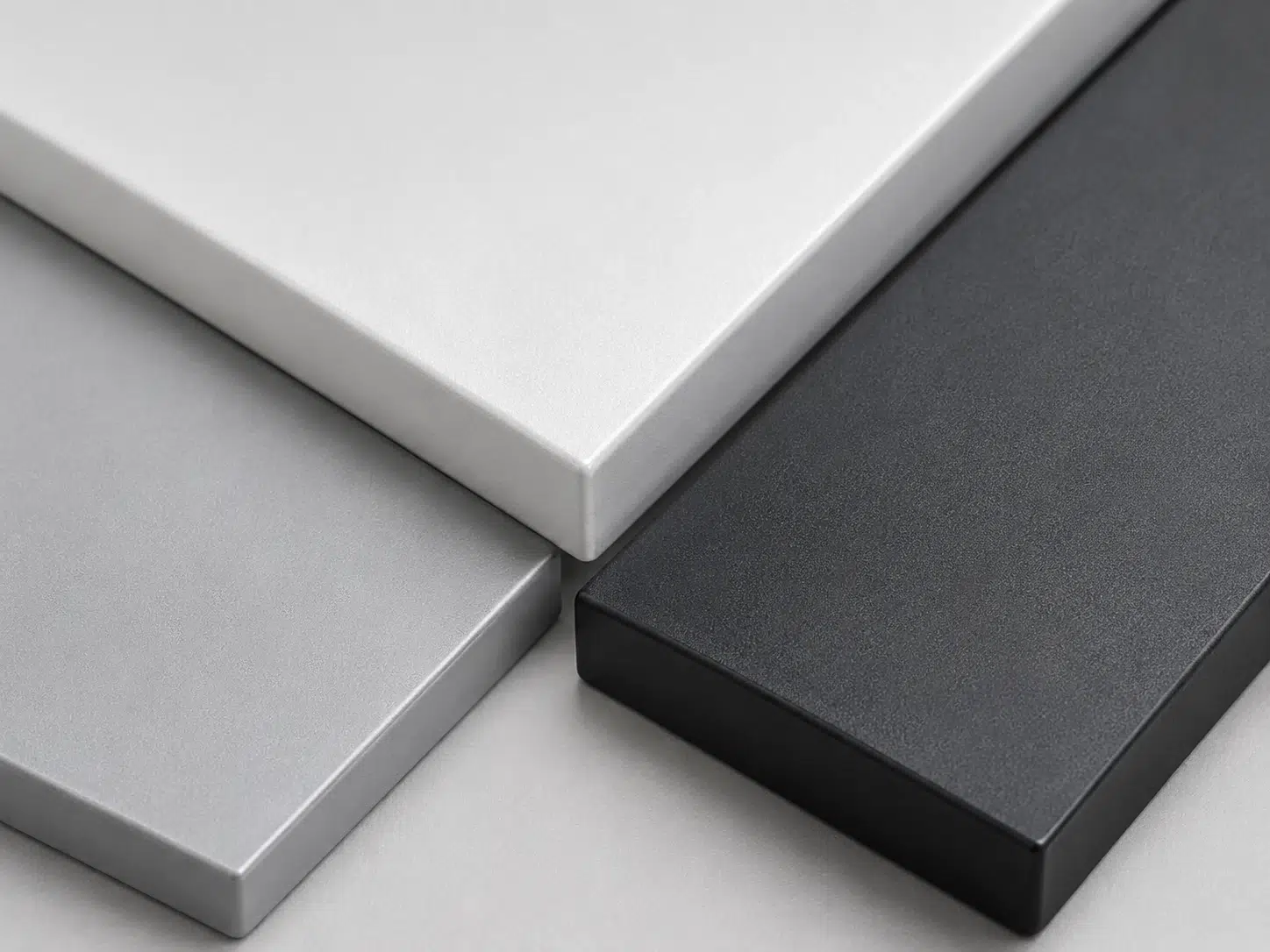
Custom MDF cabinets offer a smooth base for solid-color finishes. Seal edges, specify balanced panel construction and approve finish samples. The coating and edge details influence service life as much as the appearance of the board face.

Painted MDF
A smooth surface for brand colors, with properly sealed edges and compatible primer.
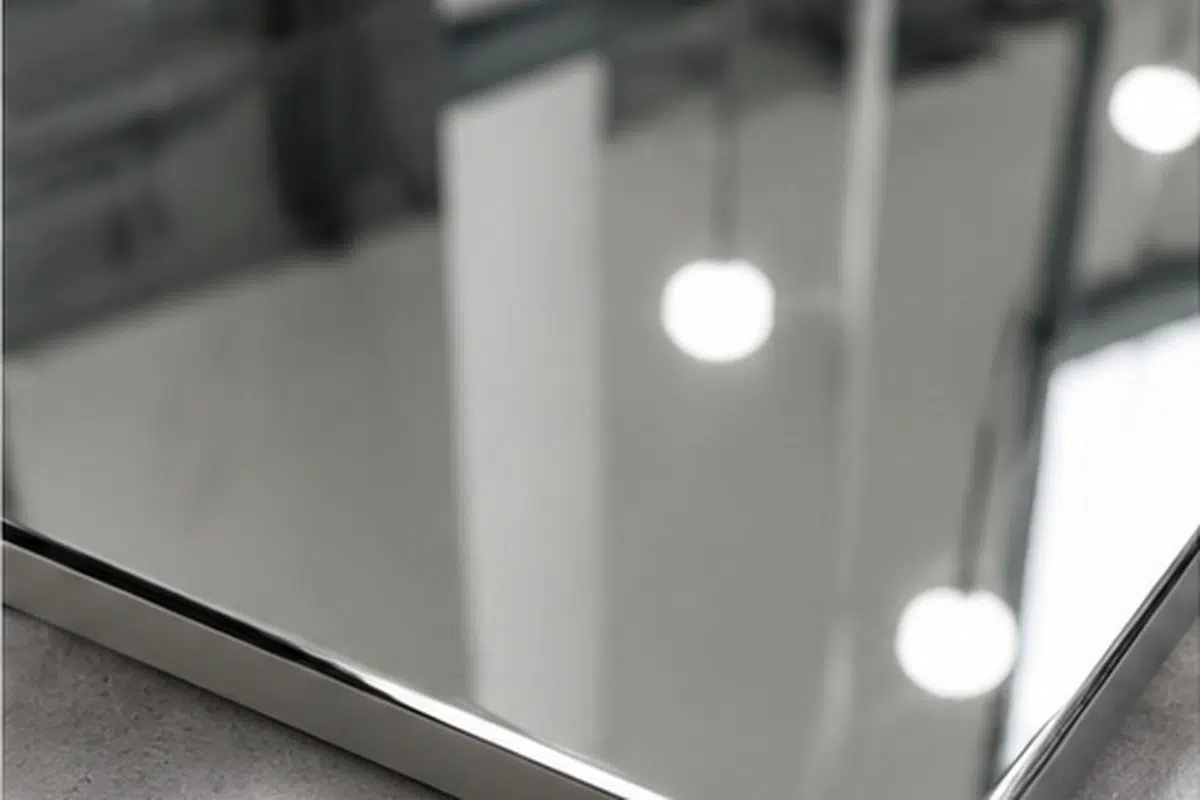
Laminated MDF
Decorative laminate provides a practical surface for suitable interior display components.
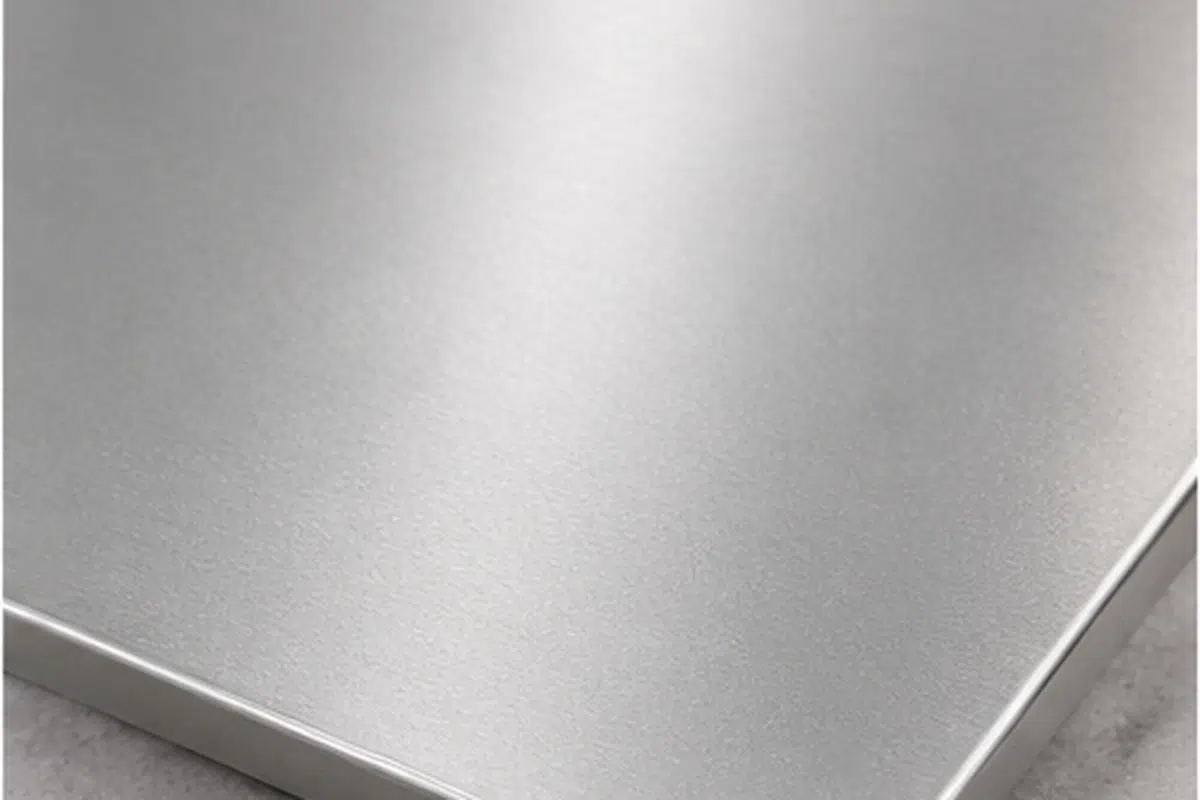
Veneered MDF
Combines a consistent substrate with natural wood veneer for selected cabinet surfaces.
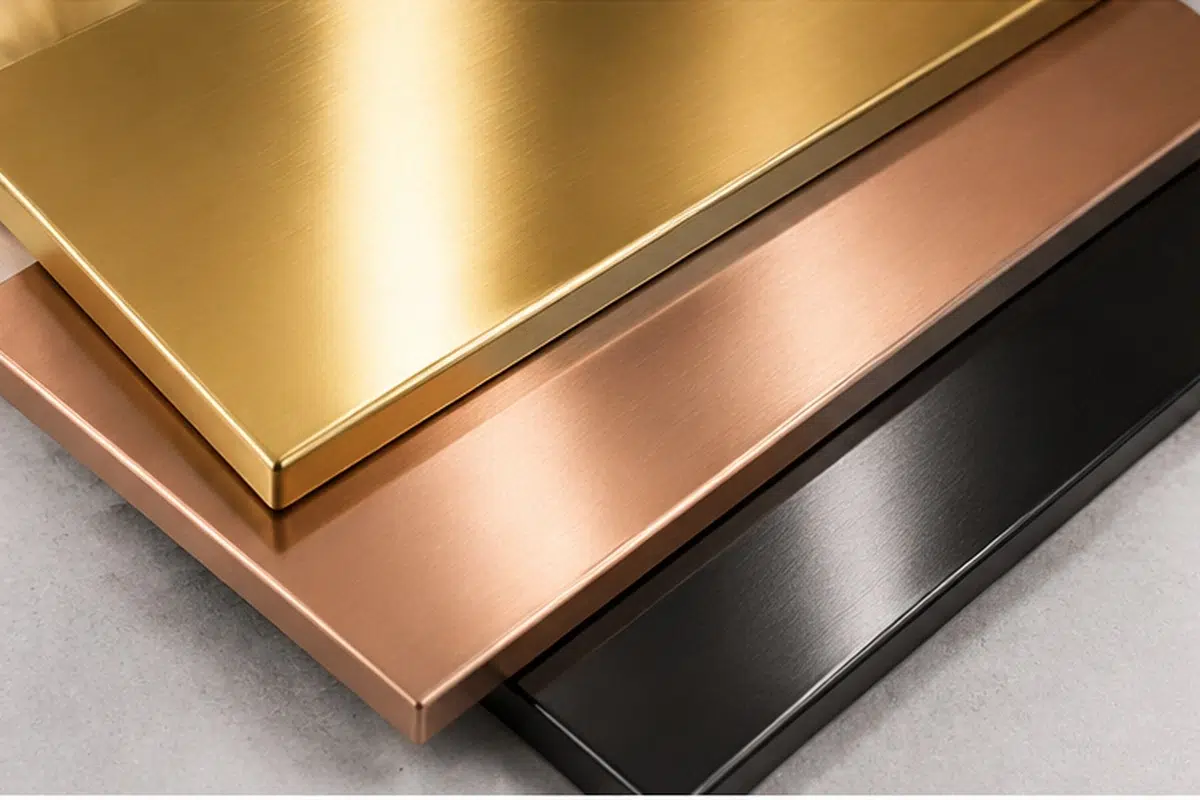
Melamine-Faced MDF
A factory-faced option for specified interior panels; cut edges still require finishing.
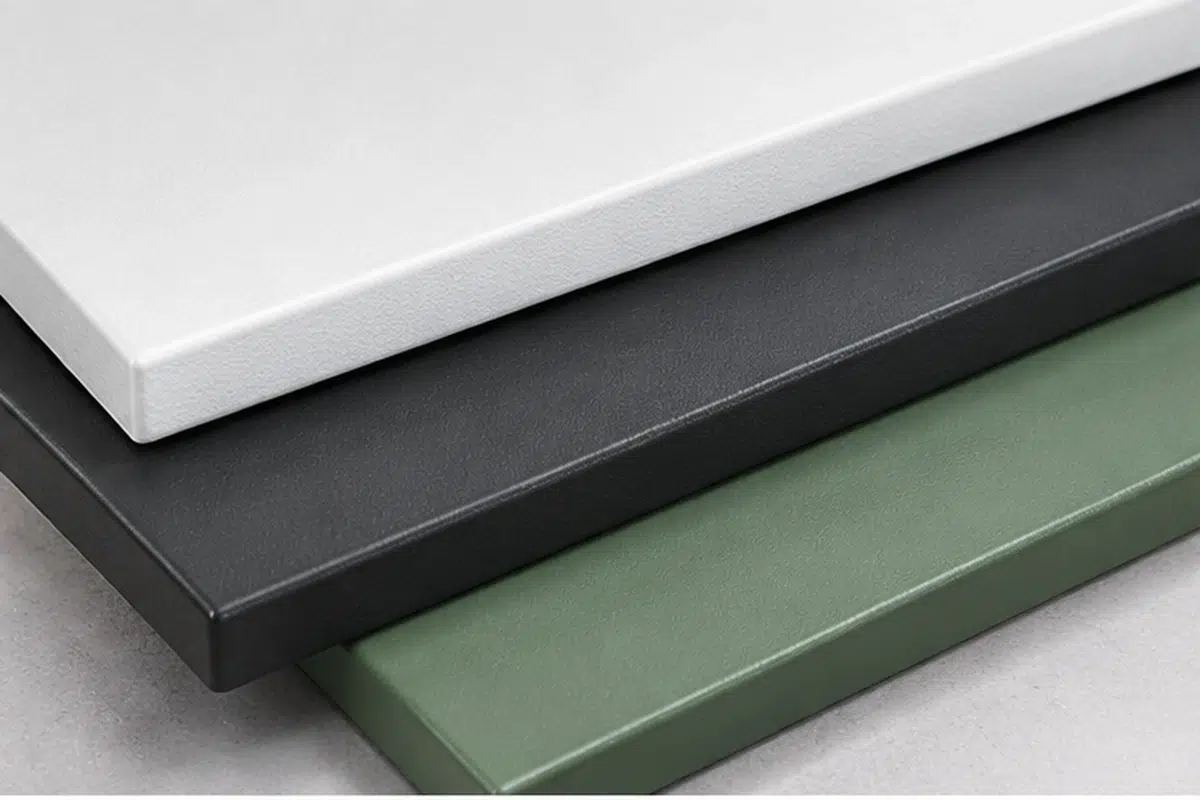
Routed Decorative Panels
Supports grooves and shaped details, followed by careful sanding, sealing and finishing.
Applications of Custom MDF Store Fixtures
MDF retail fixtures are often used where a smooth decorative finish and consistent machining are priorities. MDF cabinets should be designed around shelf spans, hardware loads, handling and the intended indoor environment.
- Painted Display Cabinets: Clean solid-color cabinet fronts and panels.
- Decorative Wall Units: Routed panels and branded feature surfaces.
- Cosmetics Fixtures: Finished cabinets coordinated with product displays.
- Perfume Displays: Decorative panels and cabinet components with suitable support.
- Counter Fronts: Finished fascias and detailed decorative profiles.
- Display Bases: Supported plinths matched to the specified product loads.
- Custom MDF Store Fixtures: Tailored cabinetry for dry interiors or appropriately specified humid conditions.
Quick Comparison: MDF Cabinets vs Plywood
| Features | Plywood | MDF |
|---|---|---|
| Construction | Bonded wood veneers with alternating grain directions | Wood fibres and resin pressed into a uniform board |
| Strength and Stiffness | Depends on species, lay-up, grade, thickness and orientation | Depends on grade, density, thickness and support |
| Hardware Holding | Often useful for cabinet fixings; core quality and joint design matter | Use suitable screws and pilot holes, particularly near edges |
| Moisture Resistance | Specify bond class and protect faces and edges | Standard grades can swell; moisture-resistant grades are not automatically waterproof |
| Surface Finish | Veneer, laminate, coatings or finished exposed layers | Smooth substrate for paint, veneer and laminate |
| Machining | Control tear-out and inspect the layered core | Consistent routing; seal cut edges before painting |
| Weight | Varies by species and core construction | Often dense and heavy; compare panel data |
| Cost | Quality hardwood and decorative grades may cost more | Often economical initially; include finishing and reinforcement |
| Applications | Cabinet carcasses, supported shelving and wood-grain displays | Painted fronts, decorative panels and detailed interiors |
Specification Notes
Compare panel grades, thickness, shelf spans, joinery and finishes. Neither a moisture-resistant label nor an exterior adhesive bond makes an entire cabinet waterproof. Confirm material data and finished assembly requirements before production.
Combining Boards with Other Fixture Materials
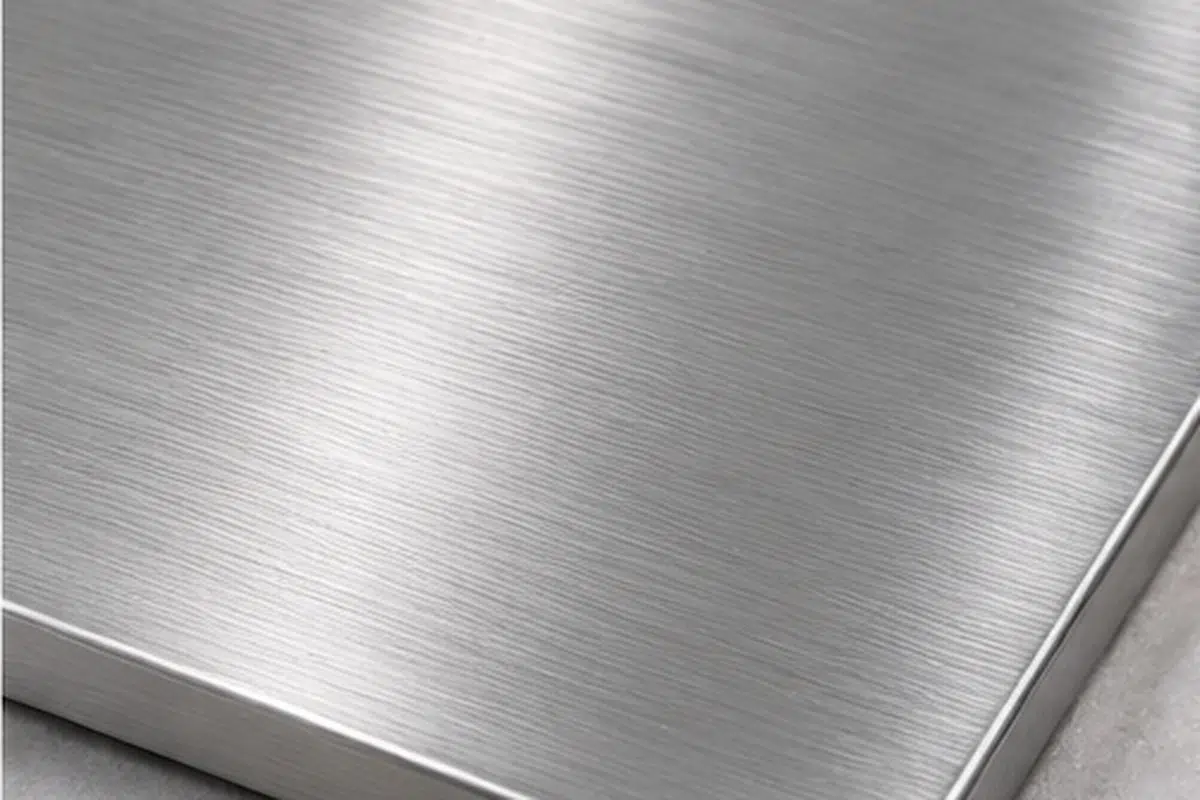
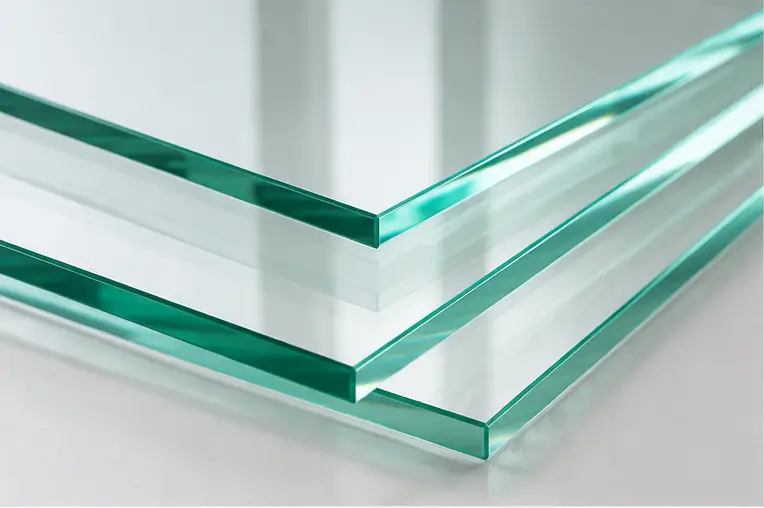
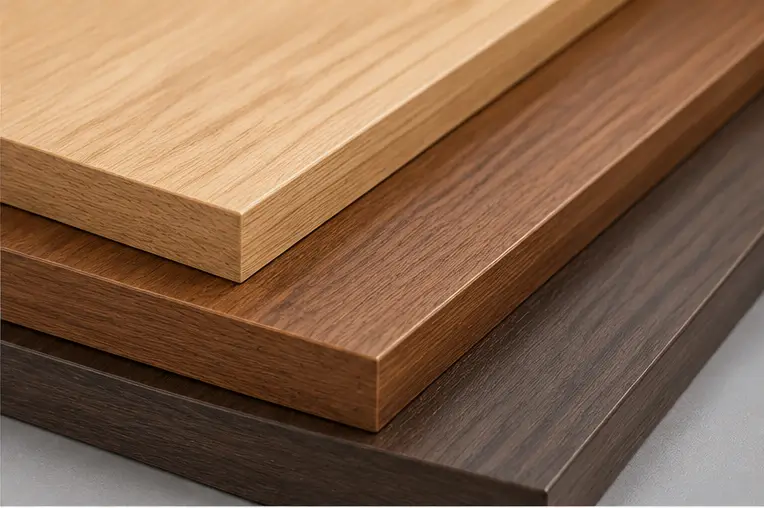
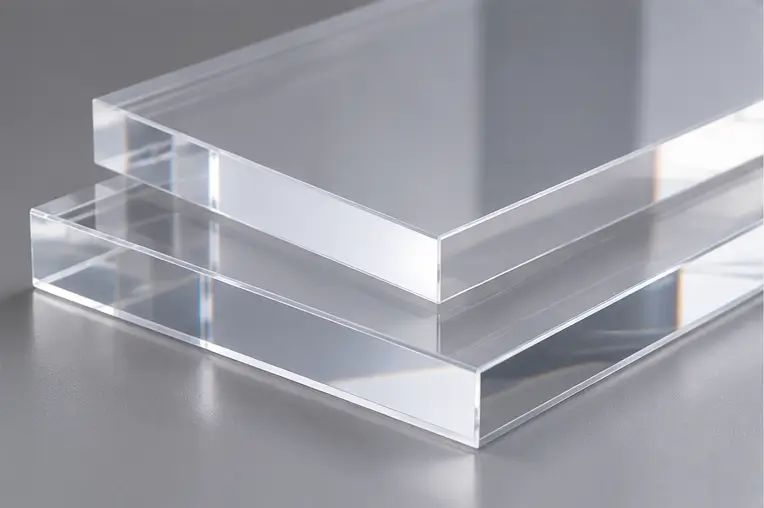
A custom retail display can combine plywood carcasses with MDF painted fronts, metal reinforcement, glass viewing panels and LED lighting. This approach assigns each material a clear purpose within custom retail fixtures instead of specifying one board for every component.

Glass

Wood

Acrylic

LED Lighting
How to Choose Plywood or MDF for Your Store Fixtures
Consider Plywood When:
- Cabinet structure and hardware fixing are important priorities.
- Visible wood grain or layered edges suit the design.
- The required grade and core quality are available.
Consider MDF When:
- Smooth painted surfaces and routed details are central to the design.
- Indoor conditions and panel loads suit the selected grade.
- The finishing specification includes proper edge sealing.
Compare Complete Specifications: For MDF cabinets vs plywood, review board grade, thickness, joinery, shelf loads, moisture exposure, finishes, transport weight and total manufacturing cost. Ask an MDF retail fixtures manufacturer to explain panel selection and how the finished assembly will be inspected.
Frequently Asked Questions
Is moisture-resistant MDF waterproof?
No. Standard MDF is vulnerable to swelling when wet. Moisture-resistant grades are designed for specified humid interior conditions, but still require appropriate finishing, protected edges and suitable installation details.
Can plywood and MDF be combined?
Yes. Plywood can form the cabinet carcass while MDF provides painted doors or decorative panels. Check hardware, movement allowances, finish compatibility and the complete assembled dimensions.
Which board is more cost-effective?
MDF often has a lower initial panel price than quality hardwood plywood, but machining, painting, edge treatment, reinforcement and shipping can change the total. Compare quotes with matching dimensions, finishes and performance requirements.
What should I send a fixture manufacturer?
Send dimensions, reference drawings, intended loads, hardware requirements, finish samples, store conditions and quantity. Oni Shopfitting will identify the proposed board grade, edge construction and quality checks before production.
Plan Your Plywood or MDF For Your Store Fixtures
Discuss plywood retail fixtures and MDF retail fixtures with ONI Display. We coordinate cabinet construction, finishes, glass, hardware and lighting for retail display fixtures tailored to your project.