


Opening a mall kiosk is a cost-effective way to boost both brand awareness and sales. Today, thanks to innovative business concepts, these kiosks are even better positioned to offer consumers a shopping experience that is convenient, personalized, and engagingly interactive.
This guide will teach you how to open a kiosk in a mall. You’ll learn about effective planning, picking the right location and managing day-to-day operations. You’ll also find out how custom retail displays and solutions can make your brand stand out, make setup easier and get more customers interested so your kiosk thrives long-term.
Let’s take a look at the key steps to turn your kiosk idea into a successful retail space.
1. Find Your Product and Market
Before opening a kiosk, it’s crucial to understand your target customers and their needs. Begin by brainstorming kiosk business ideas that align with consumer interests. Popular options include hand-crafted chocolates or candies, mini skincare sets, jewelry and fashion accessories, small home decor items, and portable tech gadgets. Research trends, seasonal demand changes, and what competitors offer to find a unique position in the market.
Consider factors like product affordability, portability suitable for a mall setting, and visual appeal, as these influence customer traffic and sales. Products that are easy to carry, visually striking, or offer a quick solution, such as scented candles, energy snacks, or phone accessories, tend to attract more shoppers. You can also conduct surveys or speak with small groups to validate your idea. Your product should solve a problem or meet a specific need for your audience. Clear knowledge of your product and market will help ensure a successful and profitable kiosk business.
2. Permanent or Temporary Location
Before opening a kiosk, it’s crucial to understand your target customers and their needs. Begin by brainstorming kiosk business ideas that align with consumer interests. Popular options include hand-crafted chocolates or candies, mini skincare sets, jewelry and fashion accessories, small home decor items, and portable tech gadgets. Research trends, seasonal demand changes, and what competitors offer to find a unique position in the market.
Consider factors like product affordability, portability suitable for a mall setting, and visual appeal, as these influence customer traffic and sales. Products that are easy to carry, visually striking, or offer a quick solution, such as scented candles, energy snacks, or phone accessories, tend to attract more shoppers. You can also conduct surveys or speak with small groups to validate your idea. Your product should solve a problem or meet a specific need for your audience. Clear knowledge of your product and market will help ensure a successful and profitable kiosk business.
3. Set Up Your Legal Structure and Get Licensed
Setting up a solid legal structure and getting all the necessary licenses is a must when you’re figuring out how to get a kiosk in the mall. First, choose a legal structure that fits your needs. Options include sole proprietorship or LLC. Next, register your business with local and state authorities. You’ll also need to get all required permits. This might include a business license, sales tax permit and special permits from the mall.
For example, if you’re selling food, you’ll need a health permit. Creating a detailed kiosk business plan is really important here. It outlines your business goals, financial projections, marketing plans and how you’ll follow rules. This plan will help you get approval from the mall and possibly get funding. Make sure you understand the mall’s rules too. Things like operating hours, display guidelines and safety standards. Following these rules will help you avoid fines and keep your operations running smoothly.
4. Outfit Your Kiosk
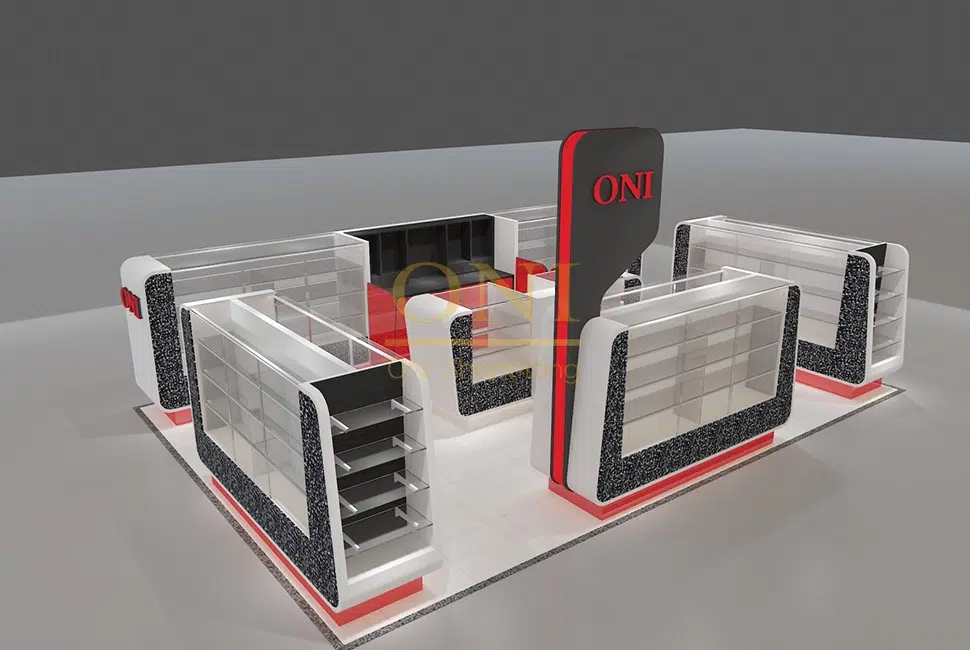
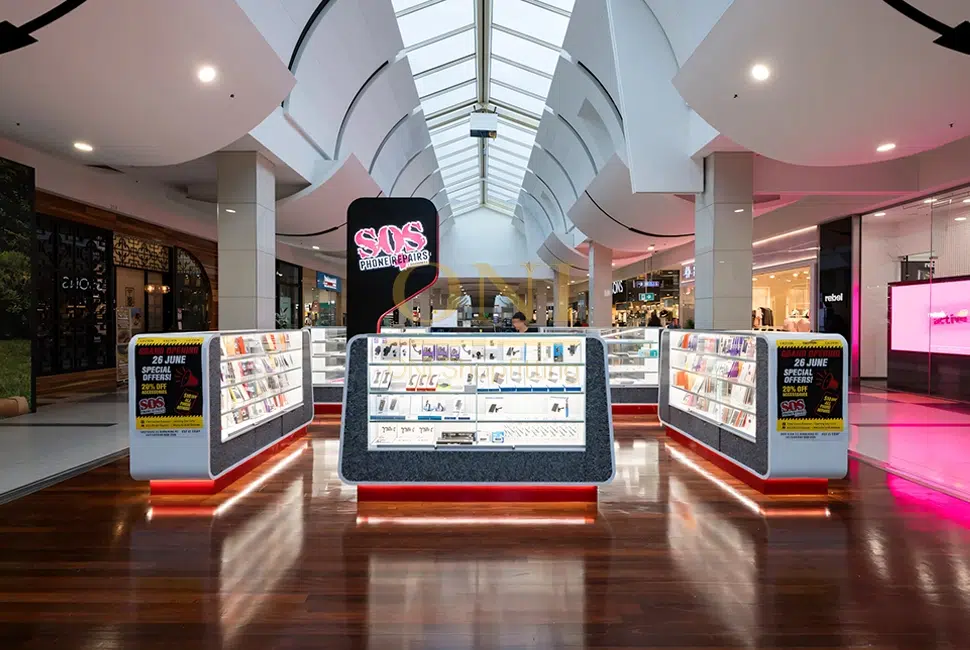
Designing your kiosk to look attractive and function well is key to drawing customers and simplifying daily operations. Start by collaborating with a trusted custom retail display manufacturer who can create tailored retail displays that showcase your products effectively. Consider using double-sided gondolas, island shelving, and carefully planned layout design to maximize space and product visibility. For premium or featured items, a showcase cabinet provides a professional, eye-catching presentation.
Incorporate modular shelving for flexibility, allowing you to adjust your layout as needed, and add vertical showcases for highlighting specialty products. Use high-quality materials and proper lighting to accentuate merchandise, while ensuring the design of your kiosk layout is easy for customers to navigate. Displays should also be convenient for employees to restock. Include storage solutions, checkout counters, and clear signage to enhance the shopping experience. Thoughtful kiosk design not only elevates your products’ appearance but also helps your kiosk stand out in a busy mall, leaving a lasting impression on shoppers.
5. Hire Your Team and Manage Operations
A successful kiosk depends on both your team and smooth operations. Hire employees who share your brand values, communicate effectively, and prioritize customer service, as they will be the face of your business. Train them thoroughly on your products, sales techniques, and mall policies to ensure consistency.
Establish efficient processes for inventory management, daily opening and closing, and gathering customer feedback. Organize your merchandise using custom retail displays to make restocking and merchandising easier, allowing your team to focus on engaging customers and driving sales. Regularly review performance and make adjustments to staffing or inventory as needed to keep operations running smoothly.
Turn Your Kiosk Vision into Reality with a Trusted Custom Retail Display Manufacturer
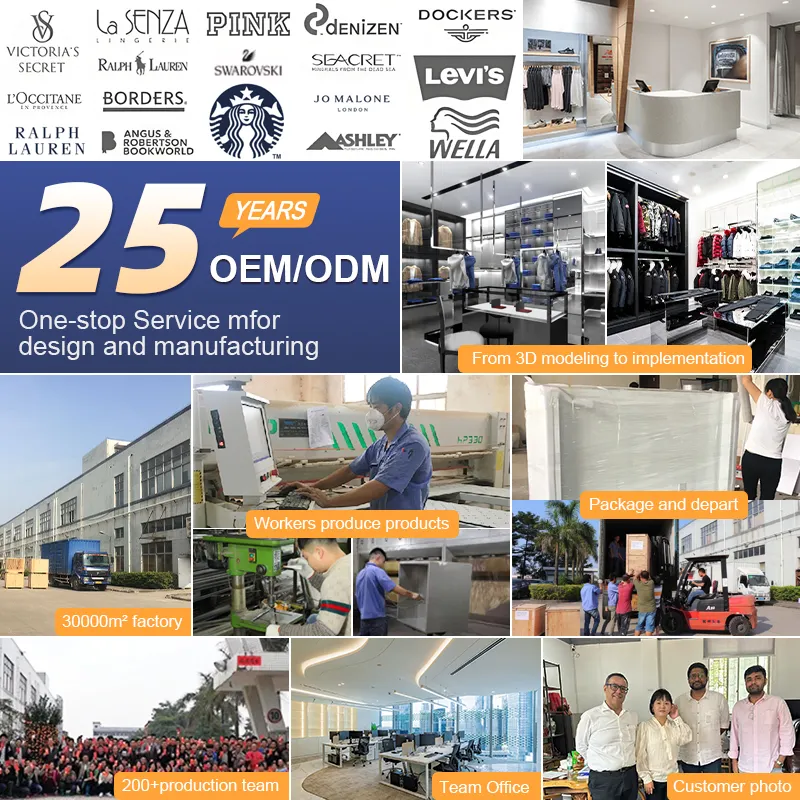
Partnering with a professional team like ONI Display transforms your kiosk concept into a fully realized retail space. They offer end-to-end solutions, including personalized display design and precise installation, ensuring your kiosk is both visually striking and operationally efficient. As an expert custom retail display manufacturer, ONI Display delivers tailored solutions, from CAD design to prototyping and high-quality custom retail displays that enhance product presentation, reinforce brand identity, and leave a memorable impression on shoppers.

In Conclusion
The successful opening of a shopping mall kiosk depends on meticulous planning and continuous optimization, ensuring careful management of all aspects, from product selection and target audience to site selection, legal compliance, design, and daily operations.
FAQ
1. How profitable are kiosks?
Kiosk profitability depends on location, foot traffic, product/service type, and operational costs. High-traffic mall or transit kiosks can earn $3,000–$10,000+ per month, and self-service kiosks are especially profitable due to low labor costs.
2. What are the 7 types of kiosks?
The seven main types are retail, food & beverage, self-service, interactive digital, photo & printing, financial (ATM/bill payment), and healthcare/pharmacy kiosks, with some combining multiple functions.
3. How much does it cost to build a kiosk?
Building a kiosk typically costs $3,000–$50,000+, depending on size, design, equipment, and location, with additional expenses for rent, utilities, staffing, and maintenance.
👉 Get in touch with us today to start your project.
🌐 Website: www.onidisplay.com | www.onishopfitting.com