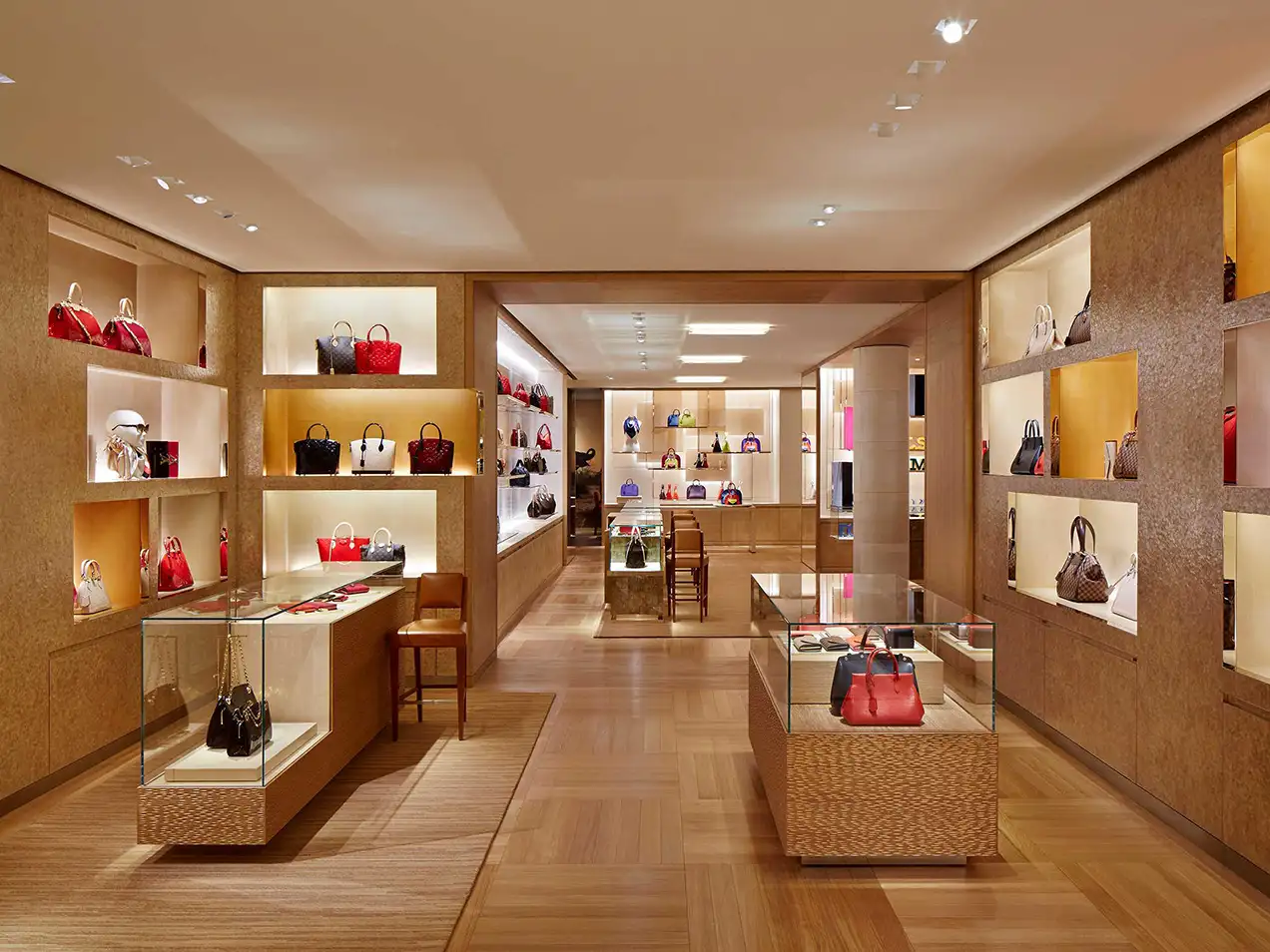
A customer walking into a modern retail store is immediately surrounded by products competing for attention. Some are placed on standard shelves, while others are presented on illuminated display tables, custom wall fixtures, branded feature walls, or carefully planned promotional zones. In this environment, the role of display in retail has evolved far beyond simply holding merchandise. A well-designed display can attract attention, guide product discovery, communicate brand identity, and create a more intuitive shopping journey.
Today, effective retail display design needs to balance visual impact with flexibility, durability, technology, merchandising capacity, and everyday store operations. For teams researching retail design trends 2026 or visual merchandising trends 2026, the direction is clear: modern fixtures need to support both stronger customer experiences and practical commercial performance.
Retail Display Design Trends at a Glance
Retail display design is evolving around a common goal: creating store environments that are more flexible, engaging, and commercially effective. The following overview highlights six key trends shaping modern retail spaces, from modular fixtures and digital integration to sustainable materials, integrated lighting, and smarter store planning.
| Trend | Key Idea | Typical Applications |
|---|---|---|
| 1. Modular Retail Displays | Flexible fixtures that adapt to changing products and campaigns | Adjustable shelving, modular wall systems, movable gondolas |
| 2. Experiential Displays | Turn product presentation into a memorable brand experience | Hero displays, tester stations, feature walls, demonstration areas |
| 3. Digital Integration | Connect physical fixtures with useful technology | Digital signage, touchscreens, smart mirrors, QR-enabled displays |
| 4. Sustainable Retail Fixtures | Design fixtures for longer use and easier adaptation | Reusable structures, replaceable components, efficient LED lighting |
| 5. Materials & Lighting | Use finishes and illumination as part of product presentation | Wood, metal, glass, acrylic, integrated LEDs, lightboxes |
| 6. Smarter Store Layouts | Balance customer experience with commercial efficiency | Wall displays, gondolas, tables, experience zones, checkout counters |
For brands exploring innovative display and design ideas, the goal is not simply to follow trends, but to choose solutions that improve product presentation, customer experience, and everyday store performance. Let’s take a closer look at each trend and how it can be applied to practical retail display solutions.
1. Modular Retail Displays: Designing for Flexibility
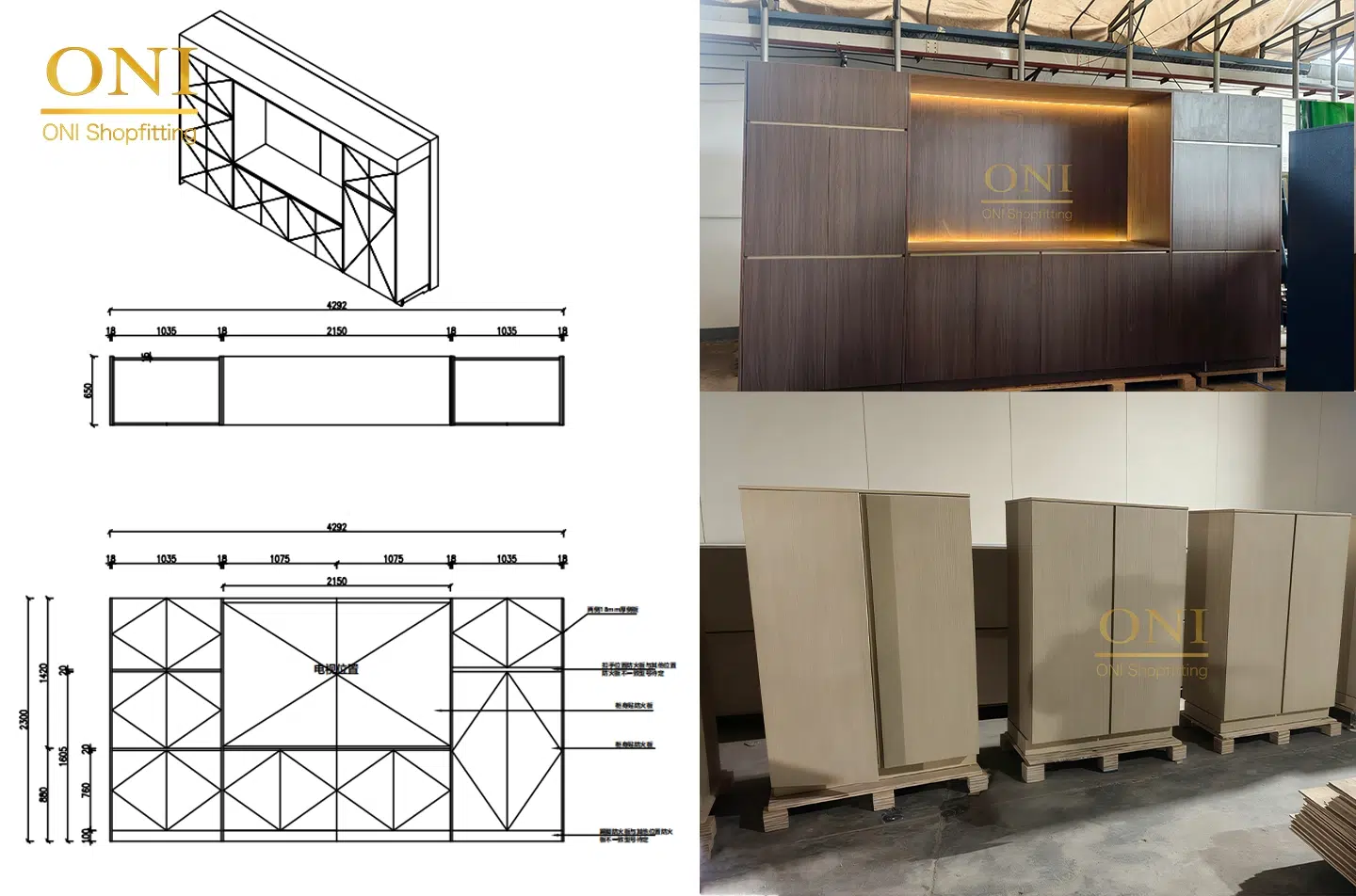
Retail environments rarely stay the same for long. New collections arrive, seasonal campaigns change, promotions move, and different product categories require different amounts of space. Modular retail displays give brands a way to respond without rebuilding the entire fixture system.
A modular fixture can still look permanent and highly customized. The difference is that selected parts are designed to adjust, move, or be replaced as merchandising needs evolve—a direction that also reflects broader retail merchandising trends toward faster campaign changes and more adaptable store environments.
Modular Retail Displays in Action
- Adjustable shelving: Shelf heights can be changed for different product sizes, packaging, or merchandising densities.
- Interchangeable accessories: Hooks, rails, trays, brackets, acrylic holders, and product supports can be repositioned or replaced.
- Replaceable graphic panels: Campaign messaging can be updated without rebuilding the core fixture.
- Movable display units: Gondolas, display tables, and promotional units can be repositioned as the store layout changes.
- Modular wall systems: Standard wall bays can combine shelves, rails, cabinets, niches, lighting, and signage in different configurations.
- Scalable fixture families: The same design language can extend across wall displays, gondolas, tables, counters, and multiple store formats.
How to Take Advantage of the Modular Retail Display Trend: Focus on keeping the main fixture structure consistent while making shelves, product holders, graphics, and accessories adjustable or replaceable. This gives retailers more flexibility to update seasonal campaigns, product collections, and merchandising layouts without replacing the entire display.
2. Experiential Displays: Turning Products Into Brand Stories
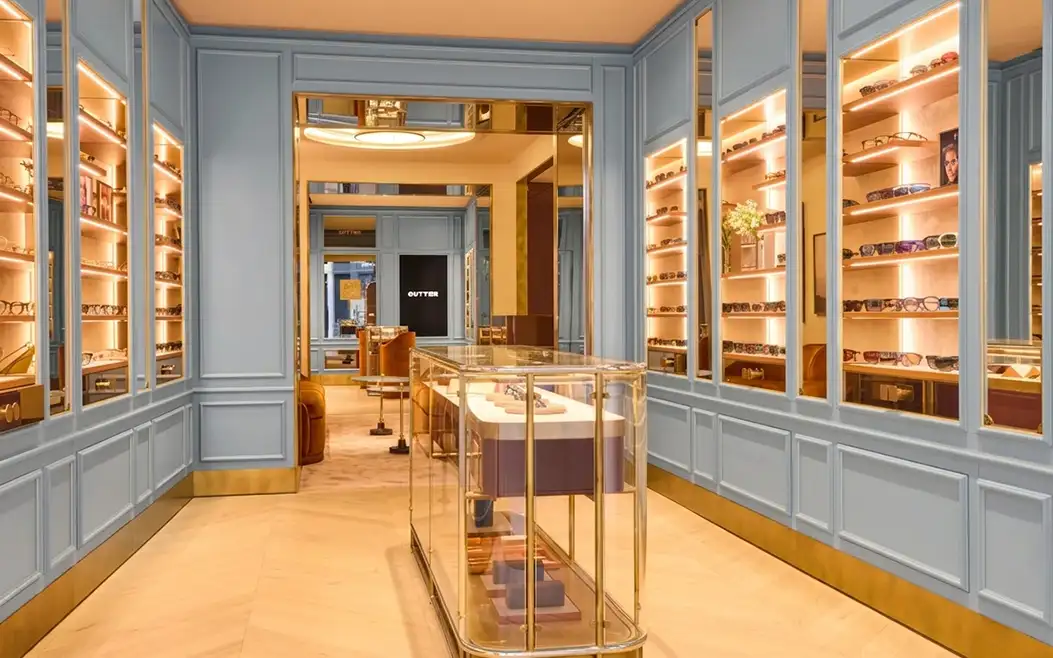
Physical retail offers something e-commerce cannot fully reproduce: customers can experience a brand in three dimensions. They can touch products, test items, compare finishes, see lighting effects, and move through an environment designed around the brand.
That makes the display itself an important storytelling tool. Instead of asking only how many products a fixture can hold, retailers are increasingly considering how a display can create a stronger emotional or sensory connection with the merchandise.
Experiential Displays in Action
- Make the product the hero: Give priority items more space, stronger lighting, or dedicated display positions so they do not disappear within crowded merchandising.
- Create dedicated experience zones: Use tester counters, consultation areas, demonstration tables, or launch zones to encourage deeper engagement.
- Use sensory storytelling: Combine texture, material, lighting, mirrors, graphics, and physical interaction to reinforce the desired brand atmosphere.
- Build recognizable focal points: Feature walls, hero displays, illuminated showcases, and sculptural fixtures can become memorable moments within the store.
- Connect the fixture to brand identity: Signature colors, shapes, finishes, and details help the physical environment feel unmistakably connected to the brand.
How to Take Advantage of Experiential Displays: Start with the feeling the brand wants customers to have, then translate it into product access, fixture form, materials, lighting, and focal points. A beauty store may prioritize testing and mirrors, while a jewelry boutique may rely on controlled product density, premium finishes, and precise illumination.
3. Digital Integration: Connecting Physical Fixtures With Technology
Technology is becoming increasingly connected with physical retail, but successful digital integration is not about adding screens wherever space is available. The strongest solutions give technology a clear role in the customer journey and plan it together with the fixture from the beginning.
Digital elements can provide product information, compare options, demonstrate features, connect to online content, or help customers explore more of a collection without making the store feel overloaded.
Digital Integration in Action
- Digital signage: Integrated screens can support campaigns, product introductions, promotions, and changing brand content.
- Touchscreen displays: Customers can explore specifications, colors, models, or product ranges directly at the fixture.
- Smart mirrors: Fashion, beauty, and eyewear retailers can combine physical try-on with digital content or additional options.
- QR-enabled displays: A fixture can connect shoppers with detailed information, videos, inventory, instructions, or online content without excessive signage.
- Digital product demonstrations: Screens and interactive elements can explain functions that are difficult to communicate through packaging alone.
- Integrated lighting controls: Retailers can create different lighting effects for product categories, campaigns, or changing display priorities.
How to Take Advantage of Digital Integration: Start with the customer experience and add technology only where it provides real value. Screens, QR codes, smart mirrors, or interactive elements should make products easier to understand or explore, while retail display engineering should address power access, cable management, ventilation, mounting, and maintenance from the beginning.
4. Sustainable Retail Fixtures: Designing for a Longer Life Cycle
Sustainability in retail fixture design is not only about choosing a material that can be described as environmentally responsible. It is also about how long the fixture can remain useful, how easily it can be repaired or refreshed, and whether it can adapt to future merchandising needs. For permanent stores and multi-location programs, designing for a longer life cycle can reduce unnecessary replacement while improving consistency across future updates.
Sustainable Retail Fixtures in Action
- Use durable materials: Select structures and finishes for the wear, cleaning, and handling expected in a commercial environment.
- Design for reuse: Keep core frames or cabinets useful across multiple campaigns and product changes.
- Make components replaceable: Shelves, graphics, lighting, product holders, and high-wear parts can be updated without discarding the full fixture.
- Use modular construction: Adaptable components can make future store updates easier and reduce unnecessary rebuilding.
- Integrate efficient lighting: LED lighting systems can provide focused product illumination while supporting lower-energy fixture operation.
- Consider knock-down construction where practical: Fixtures designed for disassembly can improve shipping, storage, replacement, or relocation.
How to Take Advantage of the Sustainable Retail Fixture Trend: Design fixtures with durability, adaptability, and long-term use in mind. Reusable structures, replaceable components, efficient LED lighting, and suitable materials can help extend fixture life while reducing the need for frequent replacement.
5. Materials and Lighting Become Part of the Merchandise
Materials were once treated mainly as the surface of a retail fixture, while lighting was often added after the display had already been designed. Today, both are becoming central to how products are perceived.
Texture, reflection, transparency, color, and illumination can change the visual value of the merchandise. A carefully controlled combination can make products feel warmer, more technical, more luxurious, or more accessible before the customer even picks them up.
Materials Shaping Modern Retail Displays
- Wood and wood veneer: Add warmth and work well in fashion, lifestyle, liquor, beauty, and premium retail environments.
- Powder-coated metal: Provides structural strength with broad flexibility in color and finish.
- Stainless steel: Creates a clean, durable, and contemporary appearance for premium applications.
- Glass: Maintains visibility and remains essential for showcases, cabinets, and high-value products.
- Acrylic: Works well for product holders, trays, signage, lightboxes, and transparent display details.
- Stone-look and solid-surface materials: Can give counters, tables, and feature elements a more architectural feel.
- Mirror and reflective surfaces: Can visually expand a display and add depth in fashion, beauty, jewelry, and luxury spaces.
Some Common Applications of Lighting in Retail Displays: Integrated lighting can be used for shelf illumination, display cabinets, illuminated niches, backlit graphics, logos, counters, and feature displays. The lighting effect should suit the merchandise, whether highlighting jewelry, enhancing cosmetics, emphasizing liquor bottles, or creating atmosphere in a fashion store.
How to Take Advantage of Materials and Lighting: Select materials and lighting together based on the product and brand positioning. Wood, metal, glass, acrylic, stone-look surfaces, and integrated LEDs should work as one visual system, helping highlight merchandise without making the fixture itself feel overly complicated.
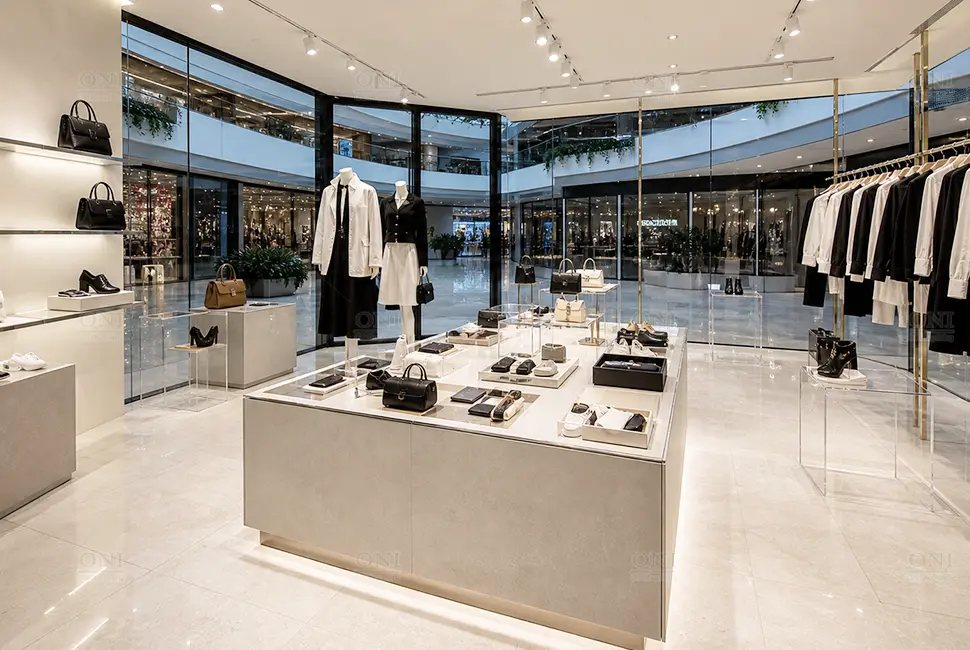
6. Smarter Store Layouts: Balancing Experience With Commercial Efficiency
A successful retail space needs to do more than look impressive. Customers need to understand where to go, products need sufficient visibility, staff need storage and working space, and fixtures need to hold enough merchandise without making the store feel crowded.
Here’s How Retailers Can Create Smarter Store Layouts
- Design for flexibility: Use movable tables, modular fixtures, adjustable shelving, and adaptable systems that can support new campaigns and seasonal changes.
- Create clear customer flow: Position fixtures so shoppers can understand how to move through the store without unnecessary barriers.
- Build strong focal points: Feature displays, promotional tables, brand walls, and illuminated fixtures can direct attention to priority products.
- Balance capacity and openness: Provide enough merchandising space to support sales without sacrificing visibility or comfortable circulation.
- Use vertical space intelligently: Wall shelving, high-level branding, and integrated storage can increase capacity without consuming more floor area.
- Add experiential zones: Product testing, demonstrations, consultations, and launch areas give different parts of the store a clear purpose.
- Integrate storage into fixtures: Tables, wall systems, cabinets, and counters can conceal operational storage while keeping products accessible to staff.
- Plan checkout areas carefully: Counters should support POS equipment, transactions, staff movement, storage, cable management, and impulse merchandising where relevant.
How to Take Advantage of Smarter Store Layouts: Review the whole store before finalizing individual fixtures. Customer circulation, sightlines, product capacity, storage, electrical locations, staff workflows, and future campaign changes should all influence where wall displays, gondolas, tables, feature zones, and checkout counters are placed.
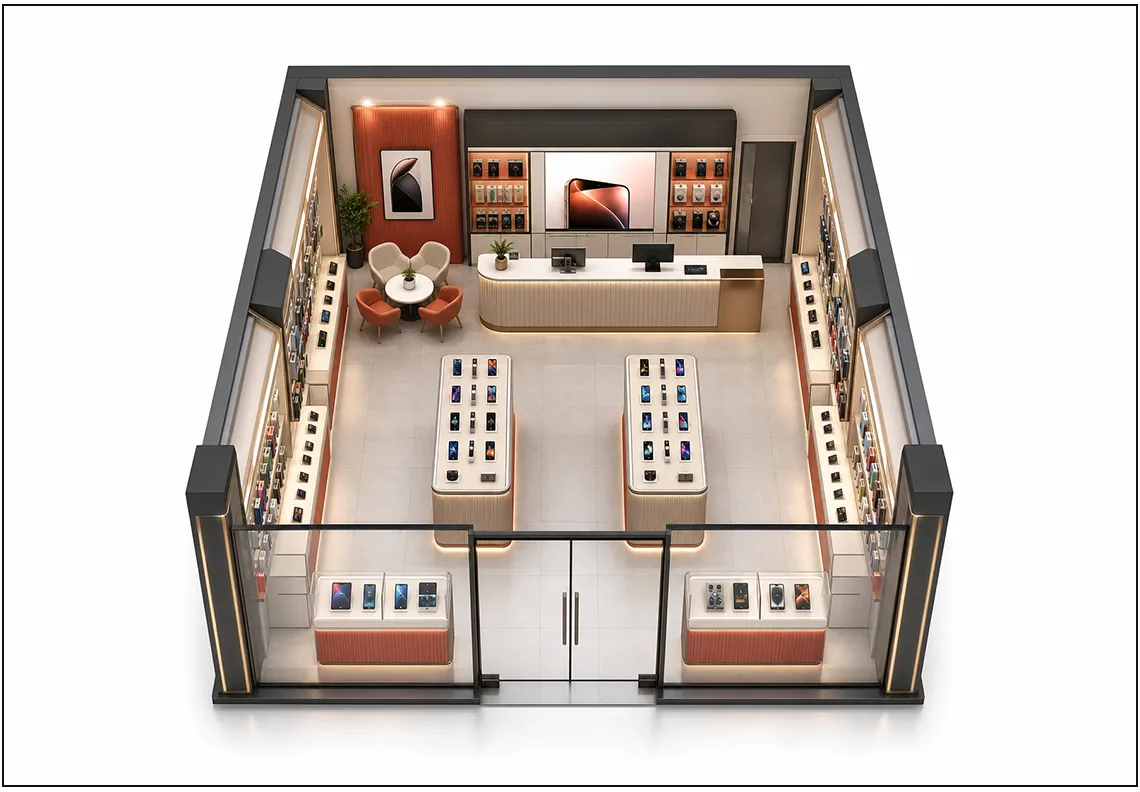
Consider These Retail Display Trends Within Your Own Strategy
These six trends show that modern retail fixtures are becoming an important part of the overall store experience. They not only present products, but also support brand identity, customer interaction, merchandising, and daily operations. Different retail categories will naturally have different priorities. Fashion stores may focus on modular fixtures and flexible layouts, cosmetics brands may need tester displays and integrated lighting, while jewelry stores may place more attention on premium materials, secure showcases, and precise illumination.
When planning a new retail space, it is important to consider both design and practical use. Product updates, customer flow, display capacity, technology, fixture durability, and future store changes can all influence the final solution. By choosing the right combination of retail display trends, brands can create stores that look attractive, work efficiently, and remain flexible as business needs change.
Planning a New Retail Display Project?
Whether you are planning a new store, upgrading an existing retail space, or developing custom fixtures for multiple locations, ONI Display can help turn your ideas into practical, production-ready retail solutions.
Share your store layout, reference images, fixture drawings, product categories, or material requirements with our team. From retail display design and engineering to custom fixture manufacturing, quality control, and global delivery, we support your project from concept to completion. Contact us today to start your custom retail fixtures project.
📞 WhatsApp / Call: +86 186 2096 3396
📧 Email: sales1@onishopfitting.com
🌐 Website: www.onidisplay.com
📍 Factory Location: Guangzhou, China