


Launching a new retail space or refreshing an existing store is a significant investment. The display fixtures you choose play a pivotal role in shaping customer perception, driving sales, and reinforcing brand identity. However, many brands stumble at the starting line by overlooking critical details in the planning and execution phases.
Whether you are a boutique owner or managing a global retail chain, understanding these pitfalls can save you time, money, and reputation. Here are eight common mistakes to avoid when embarking on a custom retail display project, along with expert insights on how to navigate them successfully.
1. Lack of Clear Brand and Display Strategy
A successful retail environment starts long before any physical production. It begins with a clearly defined brand strategy and a consistent visual merchandising system. Without this foundation, even high-quality custom retail display cabinets may fail to communicate the intended brand value effectively.
One of the most common issues among retailers is treating display fixtures as standalone furniture instead of strategic brand communication tools. This lack of alignment often leads to inconsistent store experiences, weak brand recognition, and a generic retail atmosphere that fails to differentiate the brand in a competitive market. For example, premium brands using low-quality standard fixtures risk diluting their perceived value, while value-oriented retailers using overly complex or premium-style displays may create customer confusion and pricing disconnect.
How to Avoid It:
Before engaging with custom retail display manufacturers, clearly define your brand positioning, target customer profile, and key visual messaging. Your custom retail display solutions should be developed as an extension of your brand strategy, ensuring consistency across materials, colors, structures, and overall spatial design. A well-aligned display system not only enhances brand storytelling but also strengthens customer trust and purchase intent.
2. Ignoring Store Layout and Customer Flow
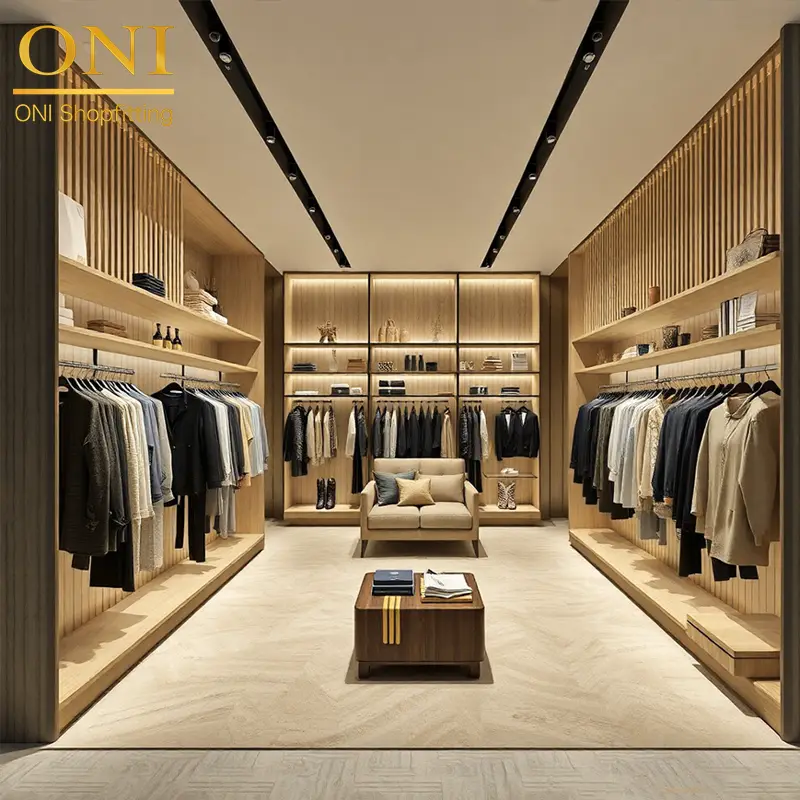
Customer flow is the invisible hand that guides engagement, dwell time, and ultimately, conversion rates. Ignoring this aspect is one of the most frequent errors in retail development. Poor layout planning can create blind spots, reduce product visibility, and weaken the storytelling potential of your merchandise.
Professional custom retail display solutions are not just about placing products on shelves; they are designed based on thorough traffic analysis and retail psychology principles. A well-planned layout encourages customers to explore deeper into the store, exposes them to a wider range of products, and creates natural pauses for interaction.
How to Avoid It:
Map out your customer journey from entry to checkout. Identify high-traffic zones for featured products and quieter areas for detailed exploration. Use display fixtures to guide movement rather than obstruct it.
3. Choosing the Wrong Materials for Display Cabinets
Material selection is far more than an aesthetic choice,it directly impacts durability, sustainability, maintenance costs, and the overall lifecycle of your display units. Opting for low-quality materials to cut initial costs often leads to frequent repairs, premature replacement, and an inconsistent brand presentation across multiple store locations.
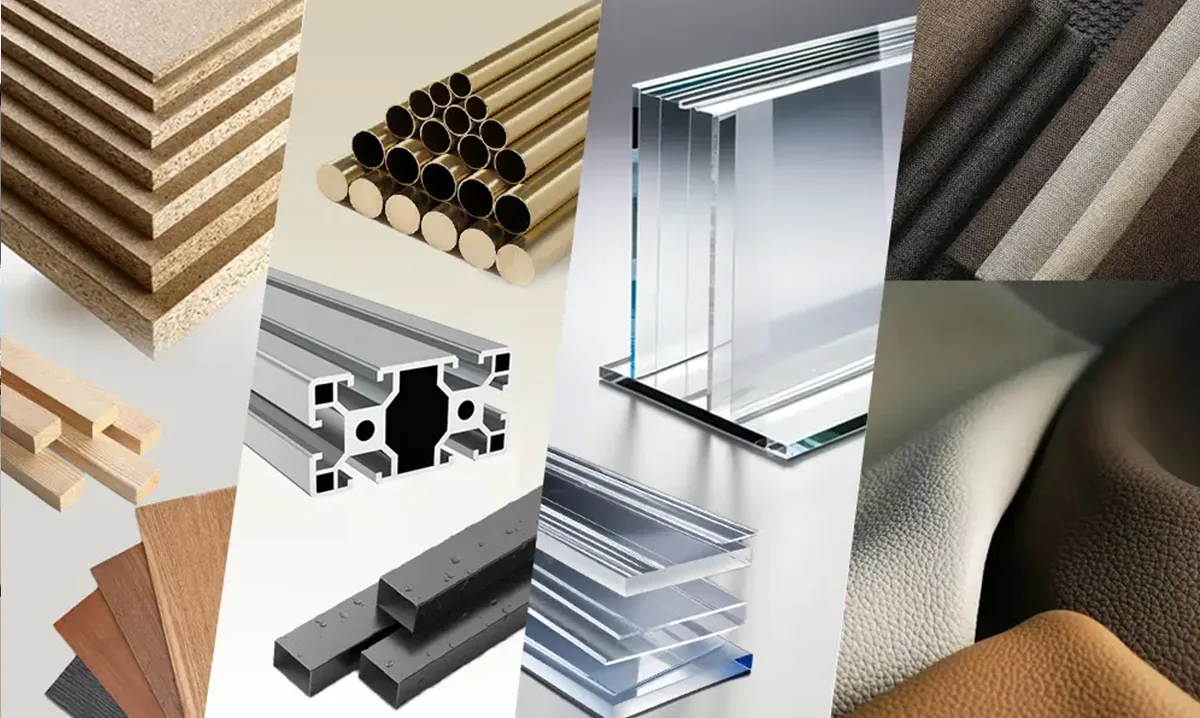
In the context of custom retail display cabinets, materials like solid wood, metal, glass, and high-grade composites each offer distinct advantages. However, using inferior substitutes can result in warping, discoloration, or structural failure, especially in high-traffic environments. Moreover, sustainable material choices are increasingly becoming a key factor in brand perception among eco-conscious consumers.
How to Avoid It:
Work with manufacturers who provide transparent information about material sources, durability ratings, and environmental certifications. Invest in materials that balance aesthetic appeal with long-term performance.
4. Underestimating Budget and Hidden Costs
One of the most stressful surprises in any retail fit-out is encountering unexpected costs. Many brands focus narrowly on the production price of display fixtures, overlooking critical expenses such as logistics, installation, packaging, customs duties (for international projects), and post-installation adjustments.
Experienced custom retail display manufacturers understand that true cost efficiency comes from transparency and holistic planning. By providing a detailed breakdown of all potential costs upfront, they help brands optimize their total project ROI and avoid budget overruns mid-project.
How to Avoid It:
Request a comprehensive quote that includes design, prototyping, production, shipping, installation, and after-sales support. Factor in a contingency buffer for unforeseen changes.
5. Overlooking Lighting and Visual Merchandising
Lighting is often the unsung hero of retail success. It directly influences how products are perceived, affecting color accuracy, texture visibility, and even customer mood. Overlooking the integration of lighting within your display strategy is a missed opportunity to enhance product appeal and drive sales.
Integrated lighting systems within custom retail display solutions do more than illuminate; they create focus, drama, and ambiance. Whether it’s warm LED strips highlighting jewelry or bright spotlights accentuating fashion items, the right lighting can transform a static display into an engaging visual experience.
How to Avoid It:
Collaborate with designers who understand the technical and artistic aspects of retail lighting. Ensure that lighting plans are developed in tandem with fixture designs to avoid retrofits that compromise aesthetics or safety.
6. Poor Communication with Manufacturers
Miscommunication between brands and manufacturers is a leading cause of delays, rework, and cost overruns. Ambiguous instructions, last-minute changes, and lack of technical clarity can derail even the most well-planned projects.
Clear, structured communication is essential when working with custom retail display manufacturers. This includes providing detailed CAD drawings, precise material specifications, and agreed-upon milestones for reviews and approvals. A transparent workflow ensures that both parties are aligned on expectations and deliverables.
How to Avoid It:
Establish a single point of contact on both sides to ensure smooth and consistent communication throughout the project. Use visual aids, material samples, CAD drawings, and regular progress reviews to verify every stage of production and design. All decisions and modifications should be clearly documented to prevent misunderstandings and costly errors.
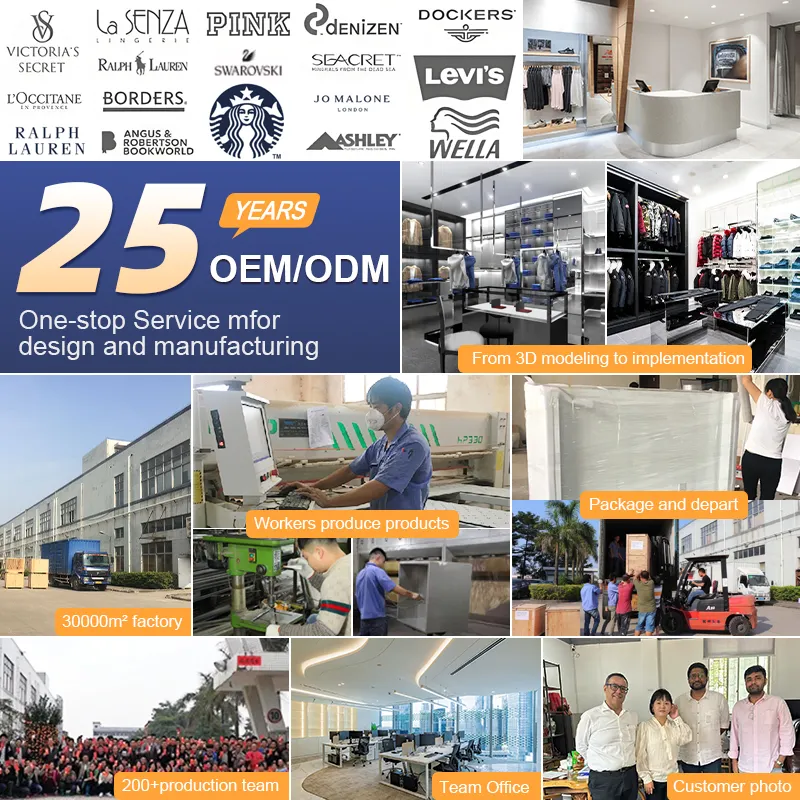
Working with an experienced partner such as ONI Display provides access to professional consulting support throughout the entire process. Our team offers structured project guidance, technical communication assistance, and design-to-production coordination to ensure that every detail is accurately executed from concept to installation.
7. Not Planning for Scalability Across Multiple Stores
For retail brands with ambitions of global expansion, scalability is non-negotiable. Failing to plan for multi-store rollouts can lead to inconsistent brand experiences, inefficient replication, and skyrocketing costs as each new location requires bespoke solutions.
Professional custom retail display solutions are designed with modularity and standardization in mind. This allows for efficient production, easier logistics, and consistent installation across different regions. Modular systems can be adapted to various store sizes and layouts while maintaining a cohesive brand identity.
How to Avoid It:
Think beyond the flagship store. Develop a scalable display system that can be easily replicated and adjusted for different market needs. Standardize components where possible to reduce complexity and cost.
8. Choosing the Wrong Custom Retail Display Manufacturers
Perhaps the most critical risk in retail development is selecting the wrong partner. The manufacturer you choose will influence every aspect of your project, from design feasibility and production quality to delivery timelines and after-sales support.
Reliable custom retail display manufacturers provide end-to-end services that encompass design engineering, prototyping, precision production, logistics management, and professional installation. They act as strategic partners, ensuring global consistency and rigorous quality control at every step.
How to Avoid It:
Carefully evaluate potential partners based on proven project experience, technical capabilities, production capacity, and client references. Prioritize manufacturers who demonstrate strong engineering expertise and a deep understanding of retail environments and brand implementation challenges. You can choose ONI Display as a trusted partner, where we combine extensive global project experience, advanced manufacturing capabilities, and a customer-centric approach to deliver reliable custom retail display solutions that meet both design expectations and commercial objectives.

In Conclusion
Avoiding these eight common mistakes and partnering with experienced custom retail display manufacturers ensures scalable, cost-efficient, and high-quality retail display solutions. By prioritizing strategic planning, clear communication, and professional execution, brands can strengthen their global performance and create lasting impressions in the minds of customers.
FAQ
- What materials are commonly used in custom retail display cabinets?
Common materials include MDF, metal, glass, acrylic, and wood veneers. The choice depends on brand positioning, durability needs, and budget. Premium custom retail display cabinets often combine multiple materials for better aesthetics and functionality.
- How long does it take to complete a custom retail display project?
A typical project can take 4 to 12 weeks depending on design complexity, production scale, and installation requirements. Reliable custom retail display manufacturers help shorten timelines through efficient production planning and turnkey project management.
- What are the benefits of custom retail display solutions?
Custom retail display solutions improve brand identity, enhance customer experience, and increase product visibility. They also allow scalable store replication, making them ideal for global retail expansion strategies.
👉 Get in touch with us today to start your project.
🌐 Website: www.onidisplay.com | www.onishopfitting.com