Tempered Glass vs. Regular Glass for Custom Display Showcases
Compare strength, breakage behavior, durability, clarity and cost to choose the right glass for custom display cabinets and retail display fixtures.
Choosing Glass for Custom Retail Showcases
What Are Tempered Glass and Regular Glass?
A glass showcase protects merchandise while keeping products visible. Regular glass usually means annealed float glass. Tempered glass starts as glass that is cut and finished, then heat-treated to increase strength and change how it breaks.
The tempered glass showcase vs normal glass showcase decision should consider panel dimensions, customer contact, shelf loads, hardware and budget. A custom tempered glass showcase is often selected for exposed doors and panels where greater impact resistance and safer breakage behavior matter.
Showcase Materials Comparison: Tempered Glass vs. Regular Glass
Tempered Glass Options
- Clear tempered glass
- Low-iron tempered glass
- Tinted tempered glass
- Frosted tempered glass
- Laminated Tempered Glass, etc
Process Overview
Every custom tempered glass showcase begins with approved glass drawings.
- Specification: Confirm dimensions, thickness, finish and hardware.
- Cutting: Cut panels to final size before tempering.
- Edgework: Polish edges and complete required holes and cut-outs.
- Heat Treatment: Heat and rapidly cool the glass in a controlled process.
- Inspection and Assembly: Check dimensions, appearance and fit, then install with suitable supports and gaskets.
Performance & Durability
- Higher Strength: Better resistance to mechanical loads than comparable annealed glass.
- Breakage Behavior: Breaks into smaller fragments rather than large sharp shards; injury remains possible.
- Thermal Performance: Improved resistance to thermal stress.
- Edge Protection: Chips, hard contact and poorly fitted hardware can still cause failure.
- Surface Care: Tempering does not make glass scratch-proof or burglar-proof.
Clarity and Finish Options for a Tempered Glass Showcase
Tempered glass showcases are available in clear, low-iron, frosted, and tinted options to suit different retail display needs. Each glass type offers distinct levels of clarity, color, and light transmission, allowing retailers to customize their showcases for different products and store designs.

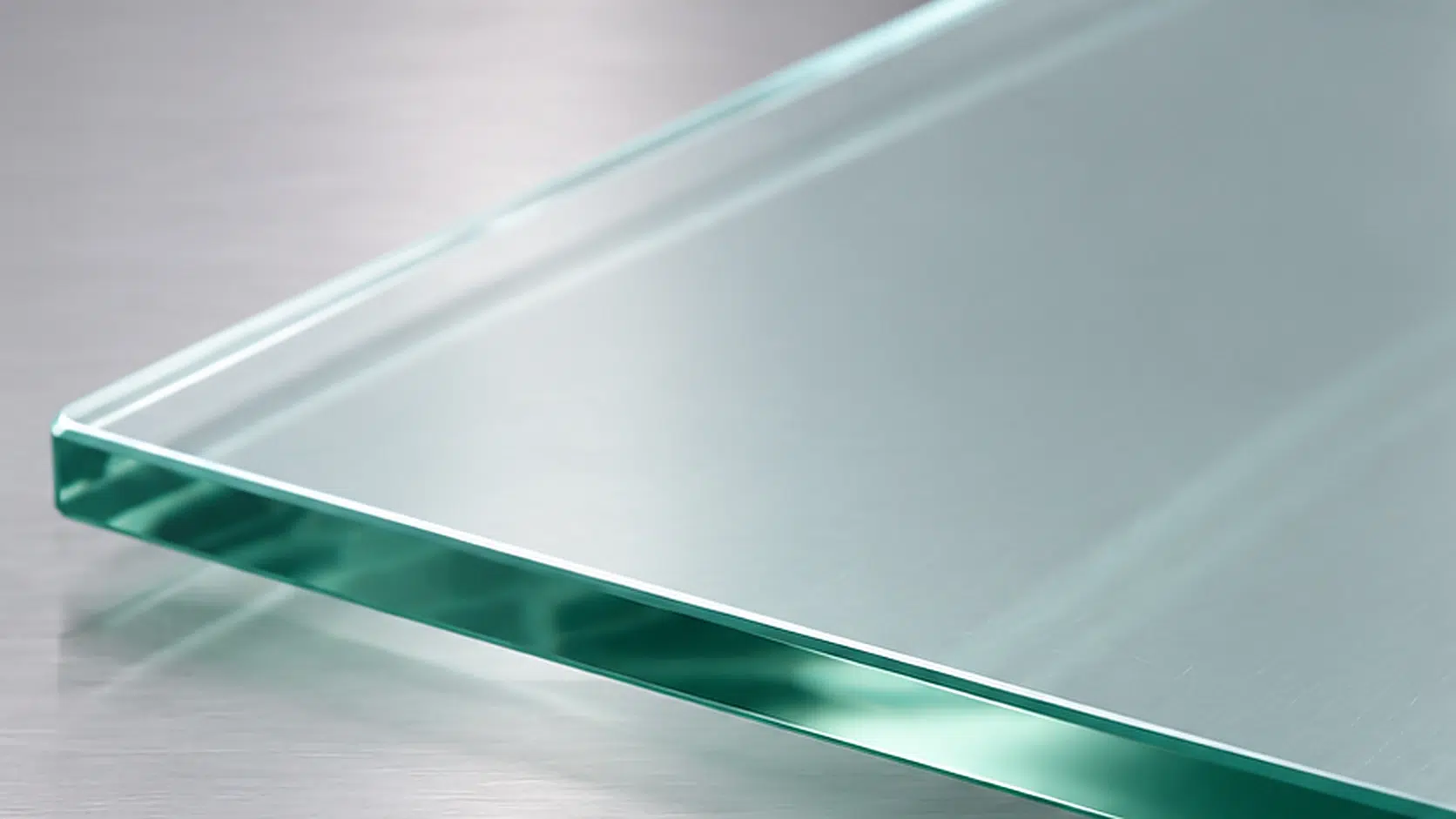
Clear Tempered Glass
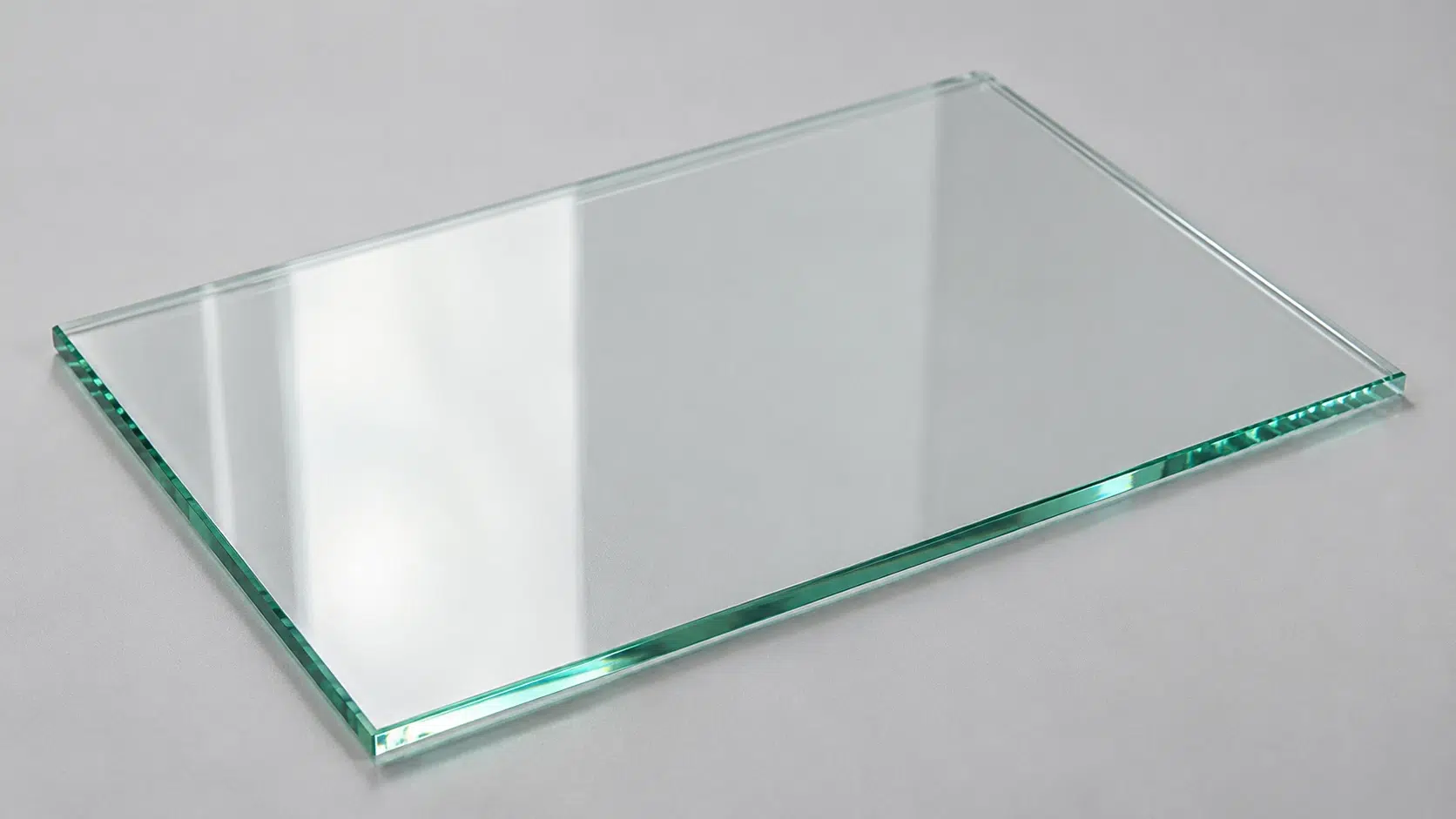
A versatile option for display doors and panels, with the familiar edge tint of standard clear glass.
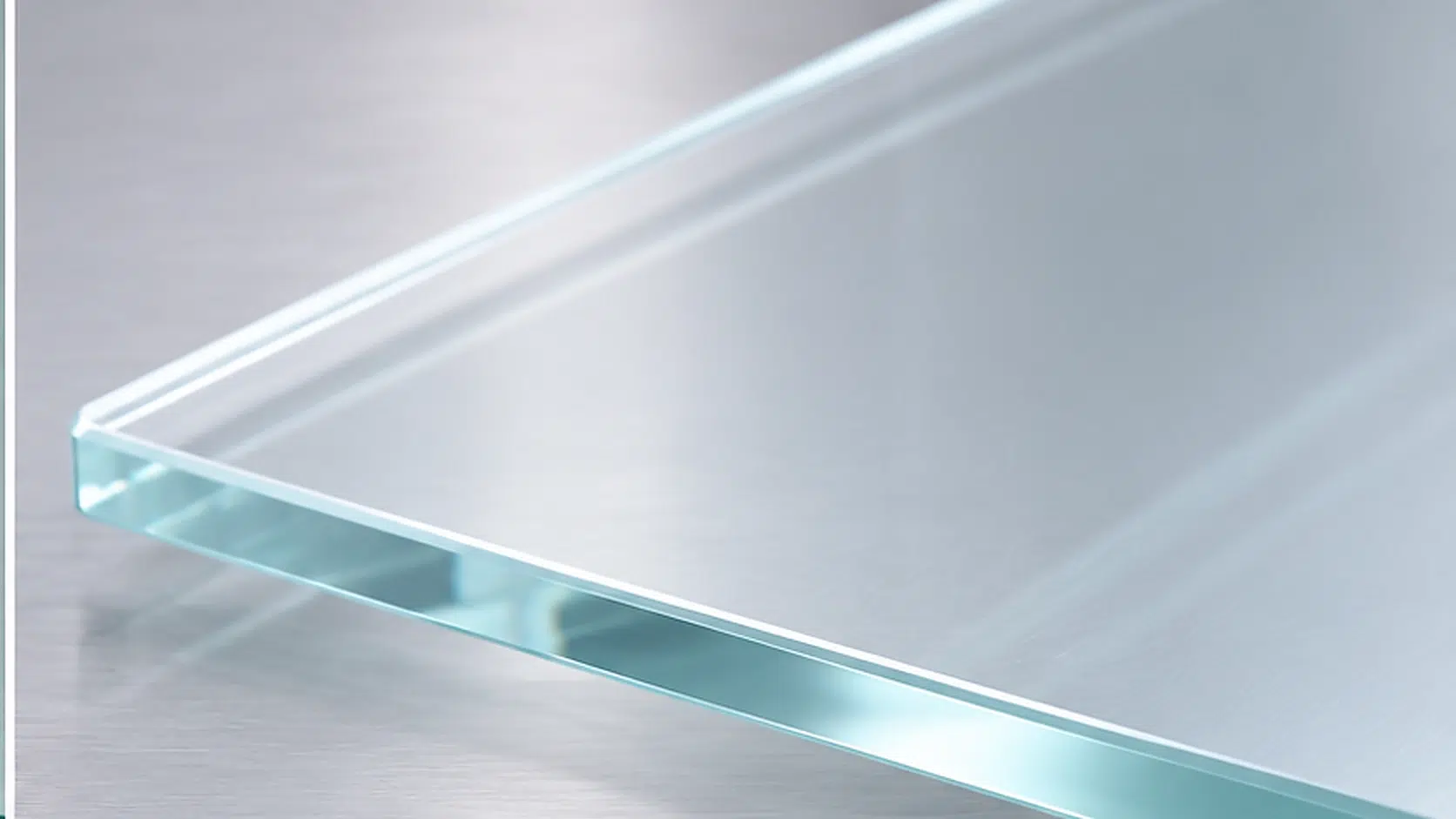
Low-Iron Tempered Glass
Reduces the green tint for more neutral product presentation; confirm the sample and thickness.
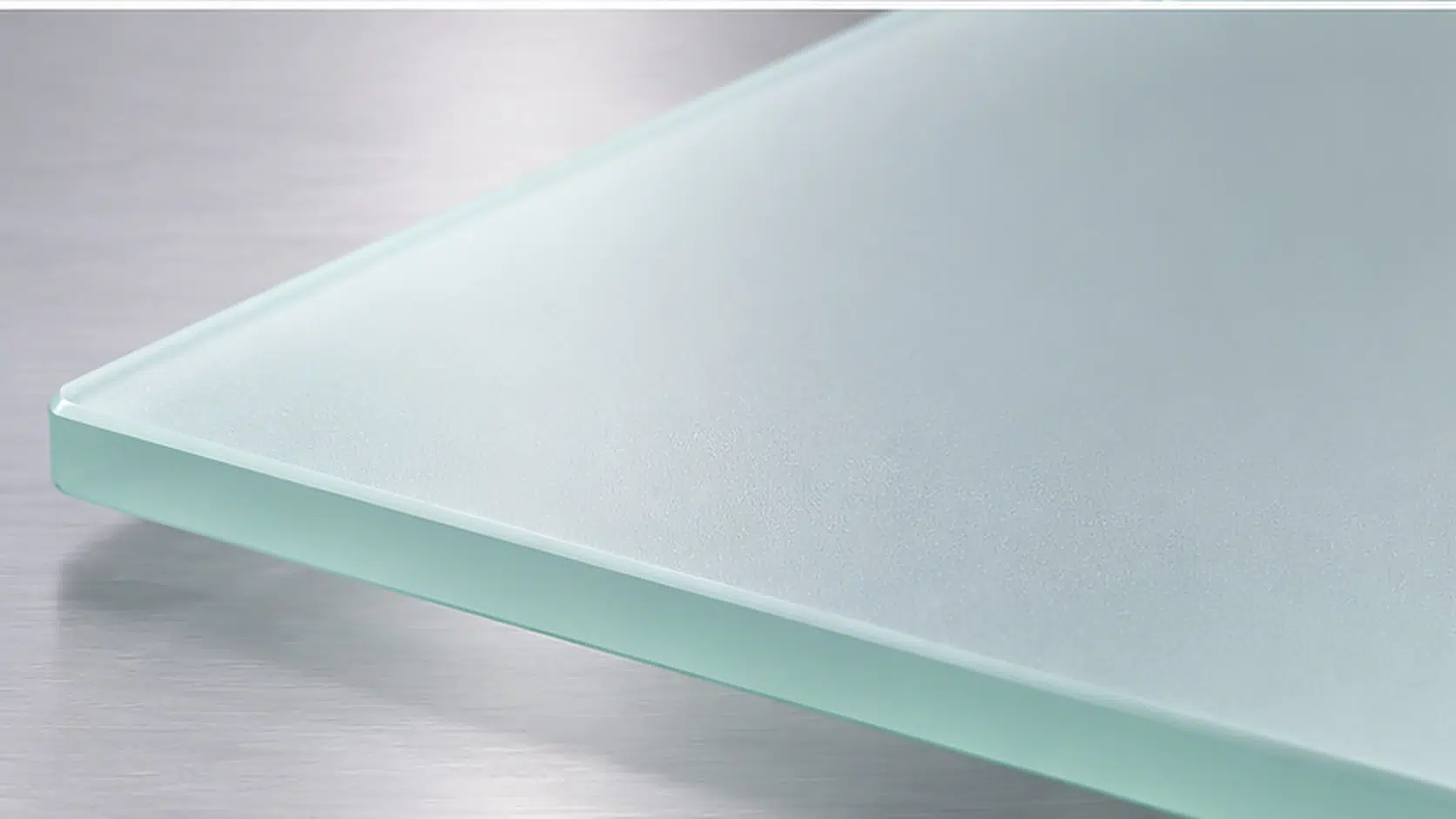
Frosted Tempered Glass
Provides a diffused appearance for selected privacy or decorative areas, rather than unobstructed product viewing.
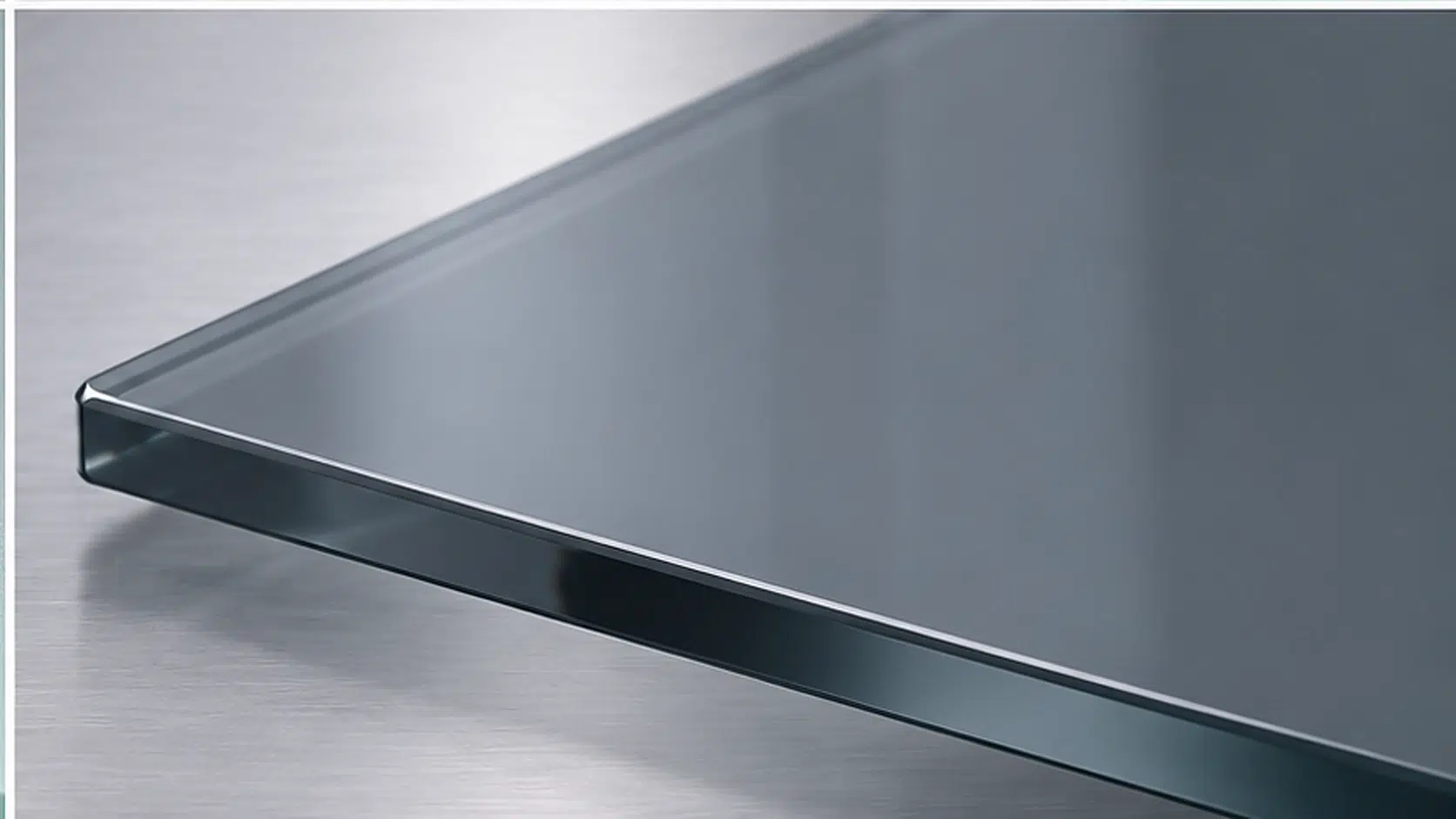
Tinted Tempered Glass
Adds a controlled tint for selected design effects, with a corresponding change in light transmission.
Tempered Glass Showcase Applications
Tempered glass can be integrated into custom retail fixtures where exposed glazing, frequent access or accidental contact make glass selection important. Panel thickness and support must be designed for the actual use.
- Jewelry Showcases: Clear viewing panels and access doors for detailed merchandise.
- Watch Cabinets: Glazed enclosures coordinated with locks and display lighting.
- Cosmetics Displays: Panels and shelves designed around product loads and daily access.
- Perfume Cabinets: Transparent displays with protected glass edges.
- Optical Displays: Glass panels and supported shelves for eyewear collections.
- Retail Counters: Customer-facing glazing selected for anticipated contact.
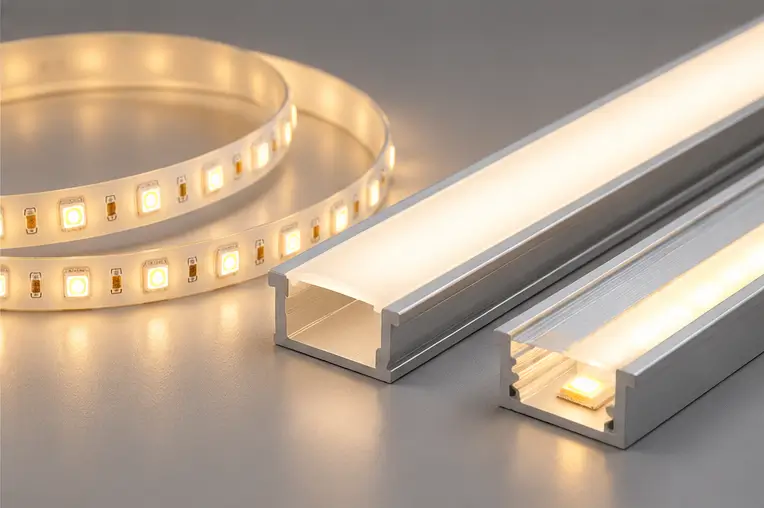
- Custom Cabinets: Tailored glazing coordinated with metal frames, timber bases and LED profiles.
Process Overview
Regular glass cabinet can be fabricated without the additional tempering stage.
- Material Selection: Choose composition, thickness and appearance.
- Cutting: Cut panels to the approved dimensions.
- Edge Finishing: Grind or polish edges as specified.
- Drilling: Prepare compatible holes or cut-outs before installation.
- Assembly: Fit panels with appropriate supports. Annealed glass remains annealed unless subsequently heat-treated.
Regular Glass Performance & Durability
- Lower Strength: More susceptible to impact and bending failure than comparable tempered glass.
- Sharp Fragments: Can break into large, sharp pieces.
- Optical Quality: Avoids distortion introduced by a tempering process, though base-glass quality still matters.
- Processing Flexibility: Can be cut and drilled by a fabricator before installation.
- Application Limits: Use only where the fixture design and applicable safety requirements permit.
Appearance Options for Regular Glass Showcases
Regular glass is available in several visual finishes. These options change appearance, not the underlying breakage behavior of annealed glass. Decorative finishes should never be treated as a substitute for safety glazing.

Clear Regular Glass
Offers a transparent, smooth surface for clear product visibility, making it suitable for standard display cabinets and retail showcases.
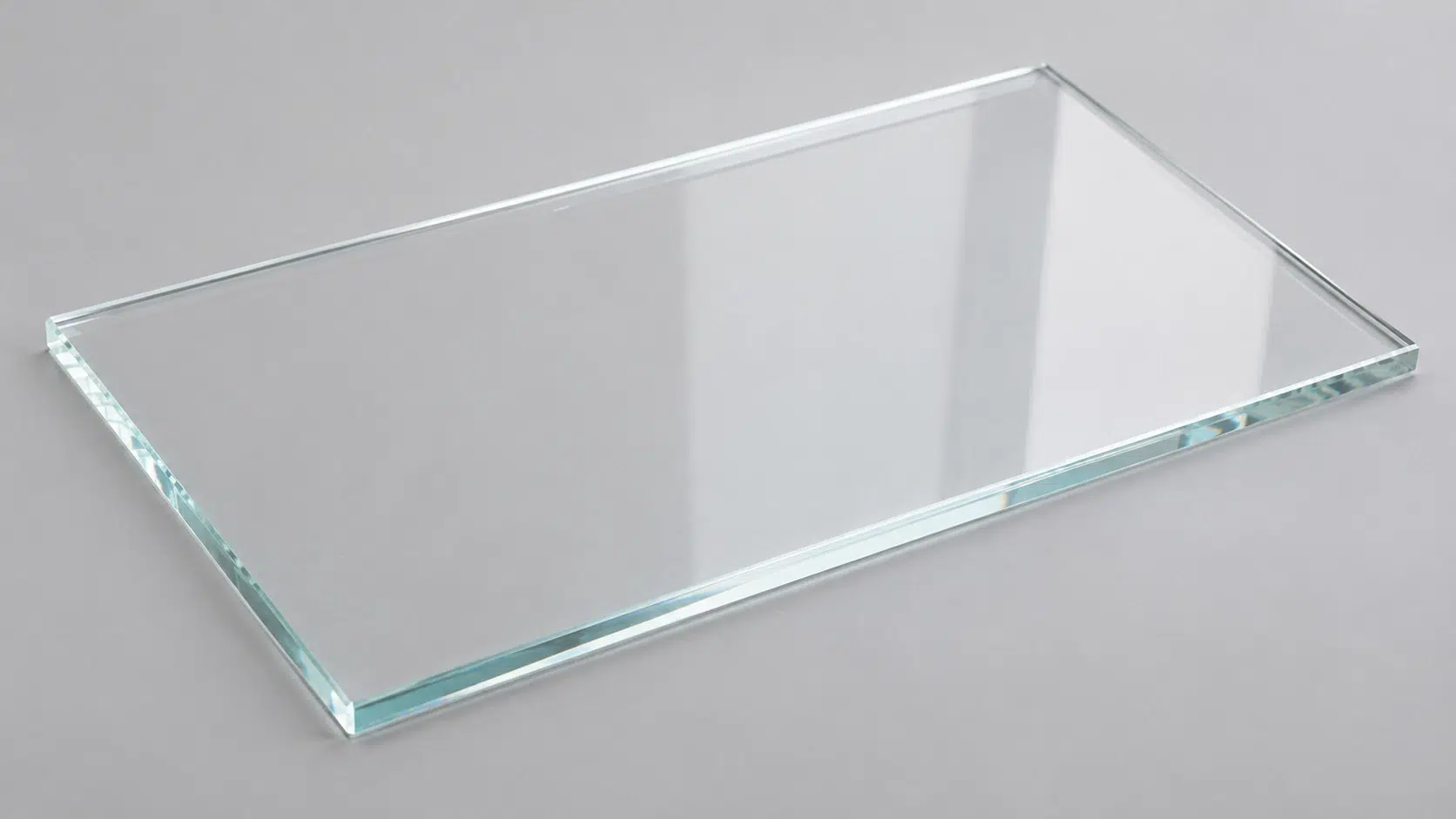
Low-Iron Regular Glass
Reduces the natural green tint of standard glass, providing better clarity and more accurate product colors for premium displays.
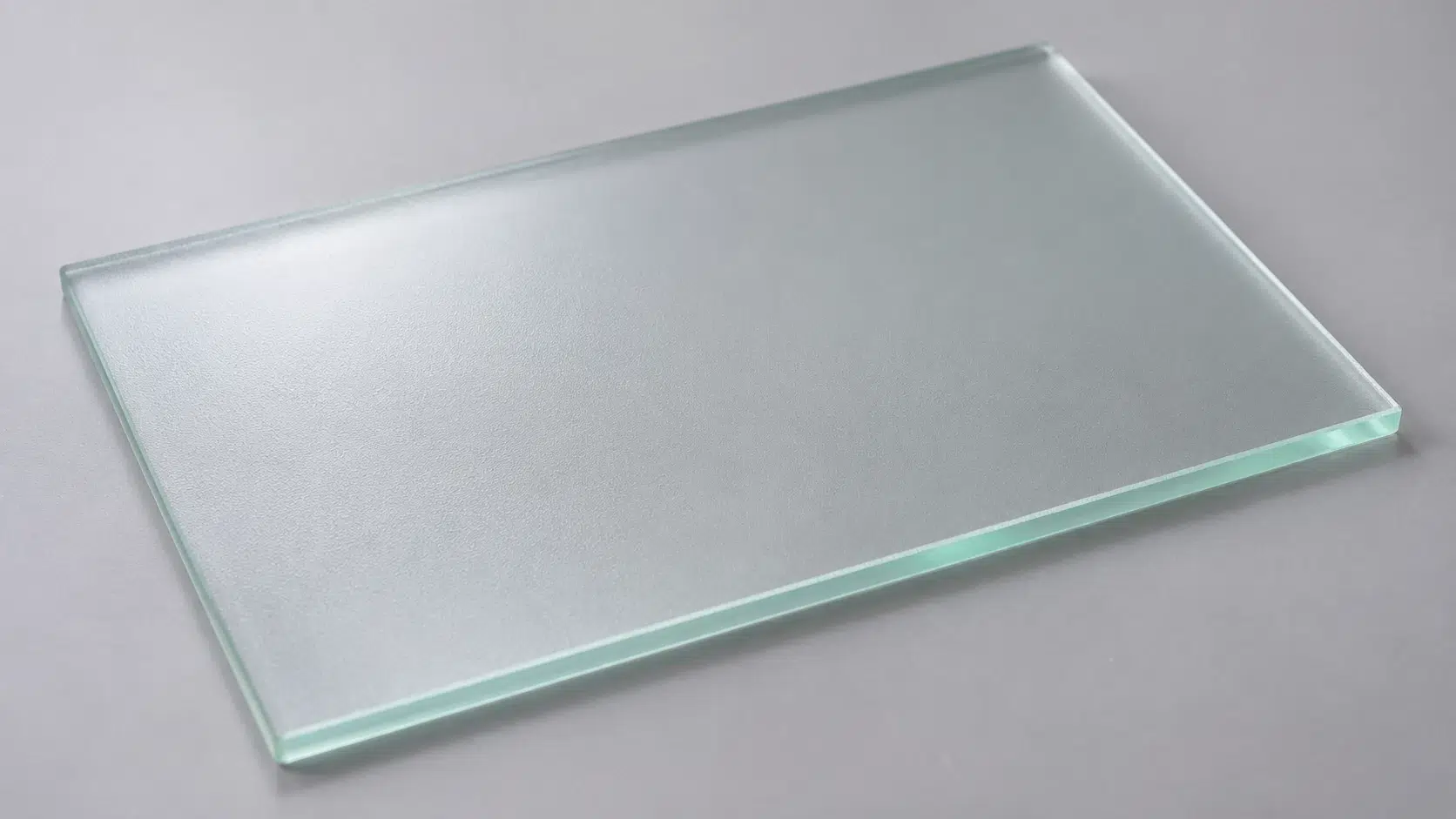
Frosted Regular Glass
Features a matte, translucent finish created through acid etching or sandblasting, adding privacy and a soft decorative effect.
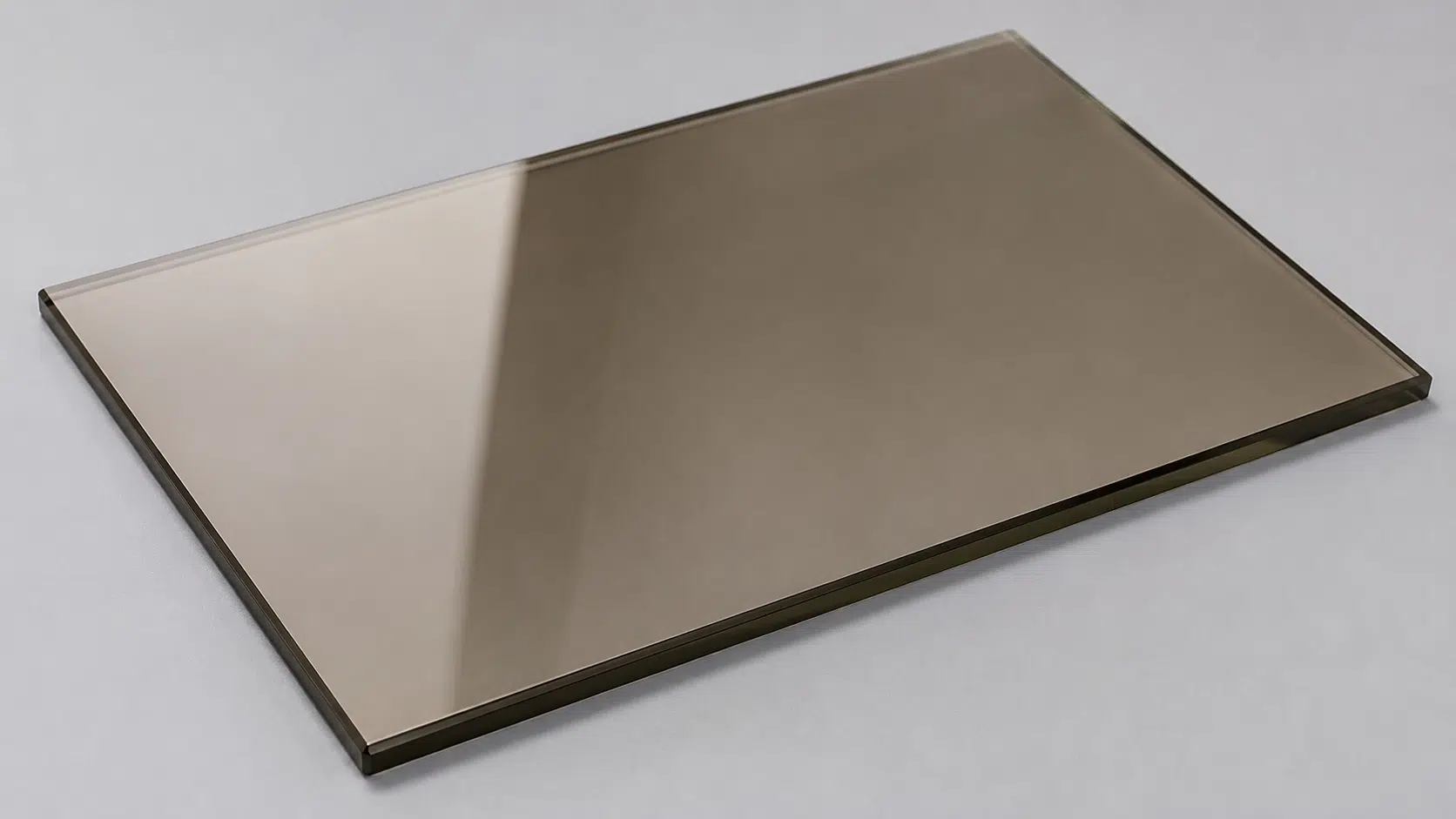
Tinted Regular Glass
Available in shades such as grey and bronze, adding color and visual depth to showcase designs while controlling light transmission.
Where Regular Glass May Be Considered
Regular glass may be considered for protected components where safety glazing is not required. Lower initial cost should be weighed against breakage risk, replacement needs and the location of the panel.
- Protected Interior Panels: Components shielded from routine contact.
- Decorative Inserts: Non-exposed glazing within a supported enclosure.
- Material Samples: Appearance mock-ups used before final production.
- Low-Contact Displays: Carefully assessed installations with limited access.
- Replacement Planning: Confirm dimensions, supports and safe access.
- Design Review: Check whether doors, large panels or shelves require another glazing type.
- Safety Assessment: Consider laminated glass where fragment retention is needed.
Quick Comparison: Tempered Glass Showcase vs. Normal Glass Showcase
| Features | Tempered Glass | Regular Glass |
|---|---|---|
| Glass Type | Clear tempered glass, Low-iron tempered glass, Tinted tempered glass, Frosted tempered glass, Laminated tempered glass, etc. | Annealed float glass |
| Strength | Higher mechanical strength at comparable thickness and configuration | Lower resistance to bending and impact |
| Breakage | Smaller fragments; injury is still possible | Large sharp shards may form |
| Thermal Stress | Improved resistance to thermal stress | More sensitive to temperature differences |
| Clarity | Depends on composition and processing; heat treatment may introduce distortion | Depends on composition; no tempering-induced distortion |
| Scratch Resistance | Not scratch-proof; clean with suitable non-abrasive products | Also vulnerable to abrasive cleaning and surface damage |
| Fabrication | Cut, drill and finish edges before tempering | Can be cut and drilled by a fabricator before installation |
| Cost | Additional heat-treatment and quality-control costs | Generally lower processing cost for an equivalent panel |
| Showcase Uses | Exposed doors, viewing panels and appropriately designed shelves | Protected low-contact components where the design permits |
Specification Notes
Compare complete assemblies, including glass thickness, support spacing, edge protection and hardware. Tempered glass is not burglar-proof and does not retain fragments like a suitable laminated construction. Ask ONI Display to review the glazing specification for your retail display fixtures.
Combining Glass with Other Showcase Materials
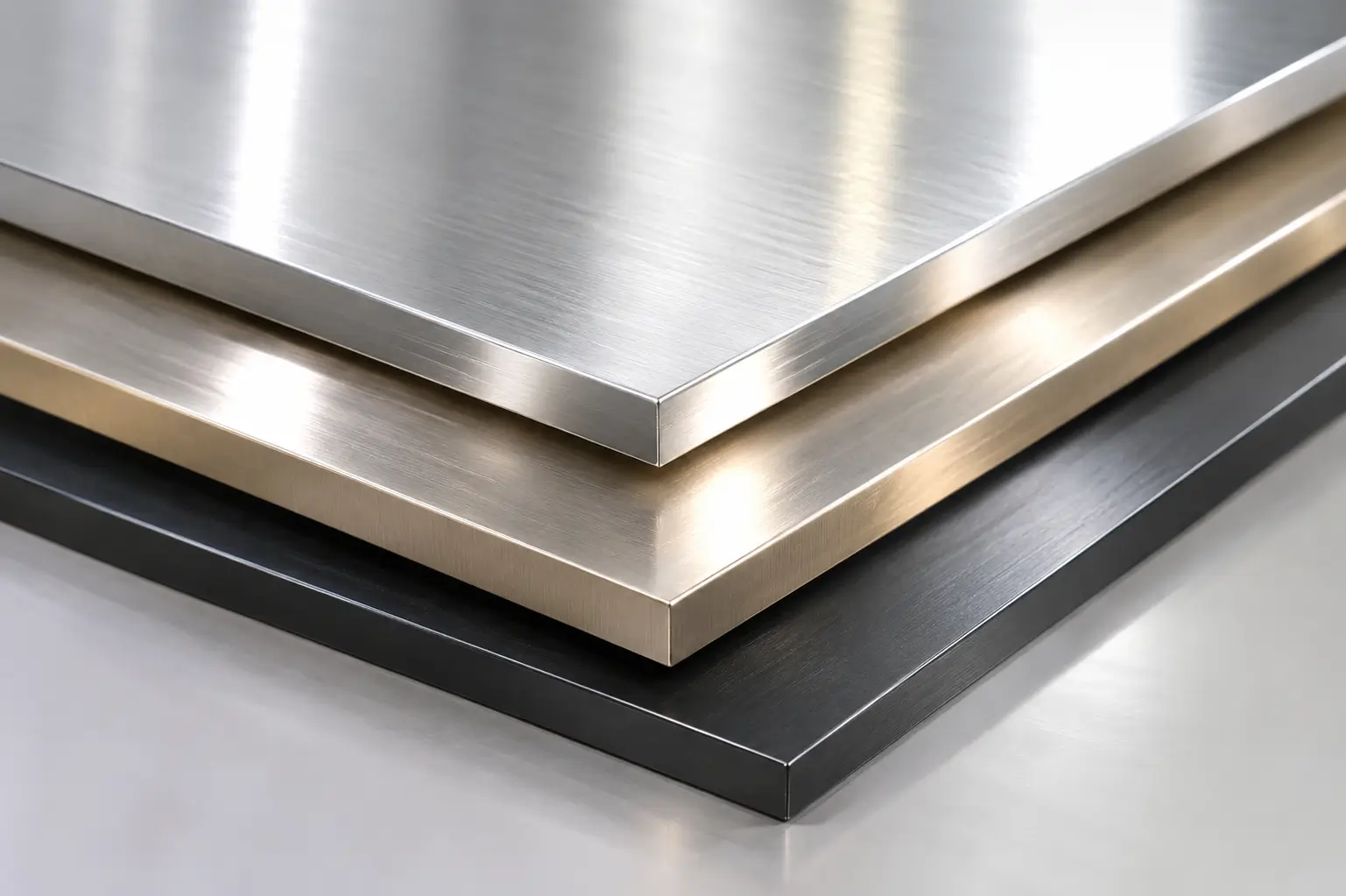
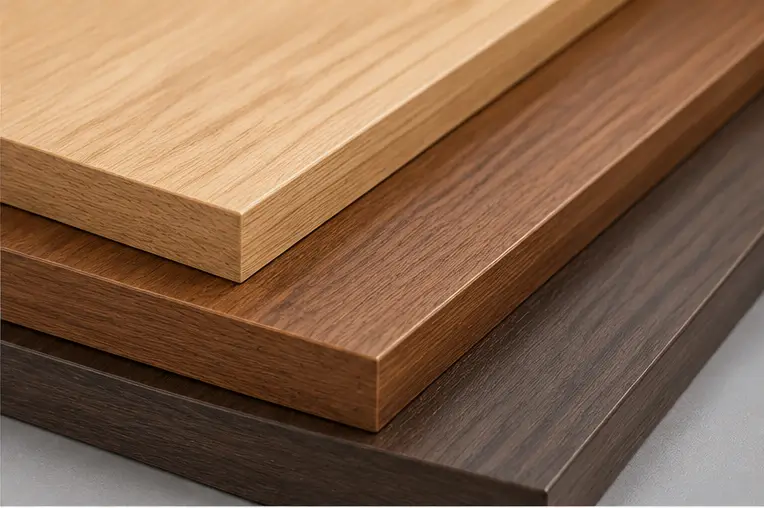
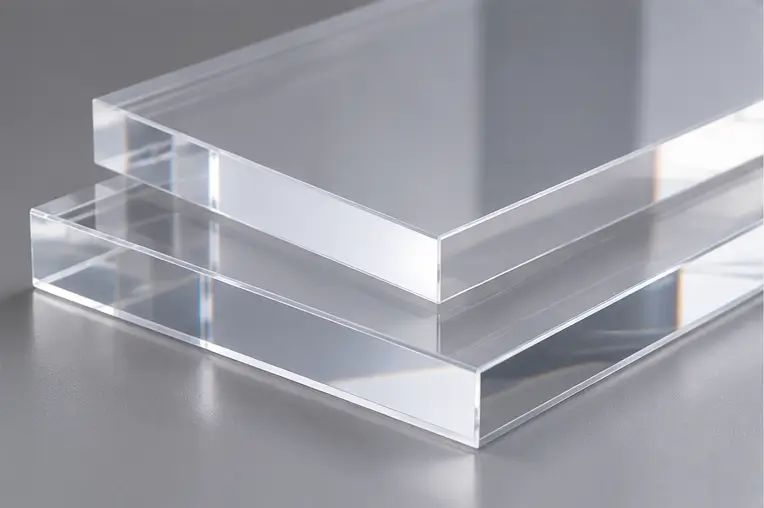
A glass showcase works as a complete system. Metal frames, timber cabinetry, acrylic inserts and LED lighting affect panel support, access and product presentation. ONI Display coordinates these elements when developing custom retail fixtures, including a custom tempered glass showcase tailored to project drawings.

Metal Frames

Wood

Acrylic

LED Lighting
How to Choose the Right Glass for Your Display Showcase
Consider Tempered Glass When:
- Doors or panels face regular customer or staff contact.
- Greater impact resistance and safer breakage behavior are priorities.
- Final dimensions and hardware positions can be confirmed before production.
Consider Regular Glass Only When:
- The component is protected and the design permits annealed glass.
- Cost and processing flexibility matter without compromising the required safety performance.
Confirm the Complete Specification: Glass thickness, panel spans, shelf loads, edgework, holes, hardware, optical quality and installation conditions all matter. Ask your tempered glass showcase manufacturer to review the full assembly. If glass must stay in place after breakage, discuss a suitable laminated construction.
Frequently Asked Questions
Is tempered glass stronger than regular glass?
Tempering increases strength compared with annealed glass of the same thickness and configuration. The safe panel size and shelf capacity still depend on supports, span, loading, edge condition and hardware.
Is a tempered glass showcase always clearer?
No. Standard clear glass and low-iron glass can both be tempered. Low-iron composition reduces green tint; tempering changes strength and breakage behavior. Heat treatment may introduce visible distortion, so review a sample.
Can tempered showcase glass be cut or drilled later?
No. Final cutting, drilling and edgework must be completed before thermal tempering. A changed dimension or hardware position generally requires a replacement panel.
Which glass is more cost-effective?
Regular glass generally avoids the added tempering cost. Final pricing also depends on dimensions, thickness, low-iron composition, edgework, cut-outs, order quantity and packing. Compare complete specifications rather than price per panel alone.
Plan Your Custom Store Display Showcase
Discuss your glass showcase project with ONI Display. We coordinate glazing, cabinet materials, hardware and lighting for custom retail fixtures designed around your products and store requirements.