A successful kiosk shop design combines attractive branding with an efficient layout, durable materials, product visibility, storage, lighting, electrical planning, and smooth customer flow. Whether you are planning a shopping mall kiosk, coffee kiosk, cosmetics kiosk, jewelry kiosk, or electronics kiosk, the design should work both visually and operationally.
Because kiosks usually operate within a compact footprint, every counter, shelf, cabinet, retail fixture, and display surface needs a clear purpose. A well-planned custom kiosk design can help improve product visibility, customer interaction, staff efficiency, and overall brand presentation.
1. Start With the Kiosk Layout
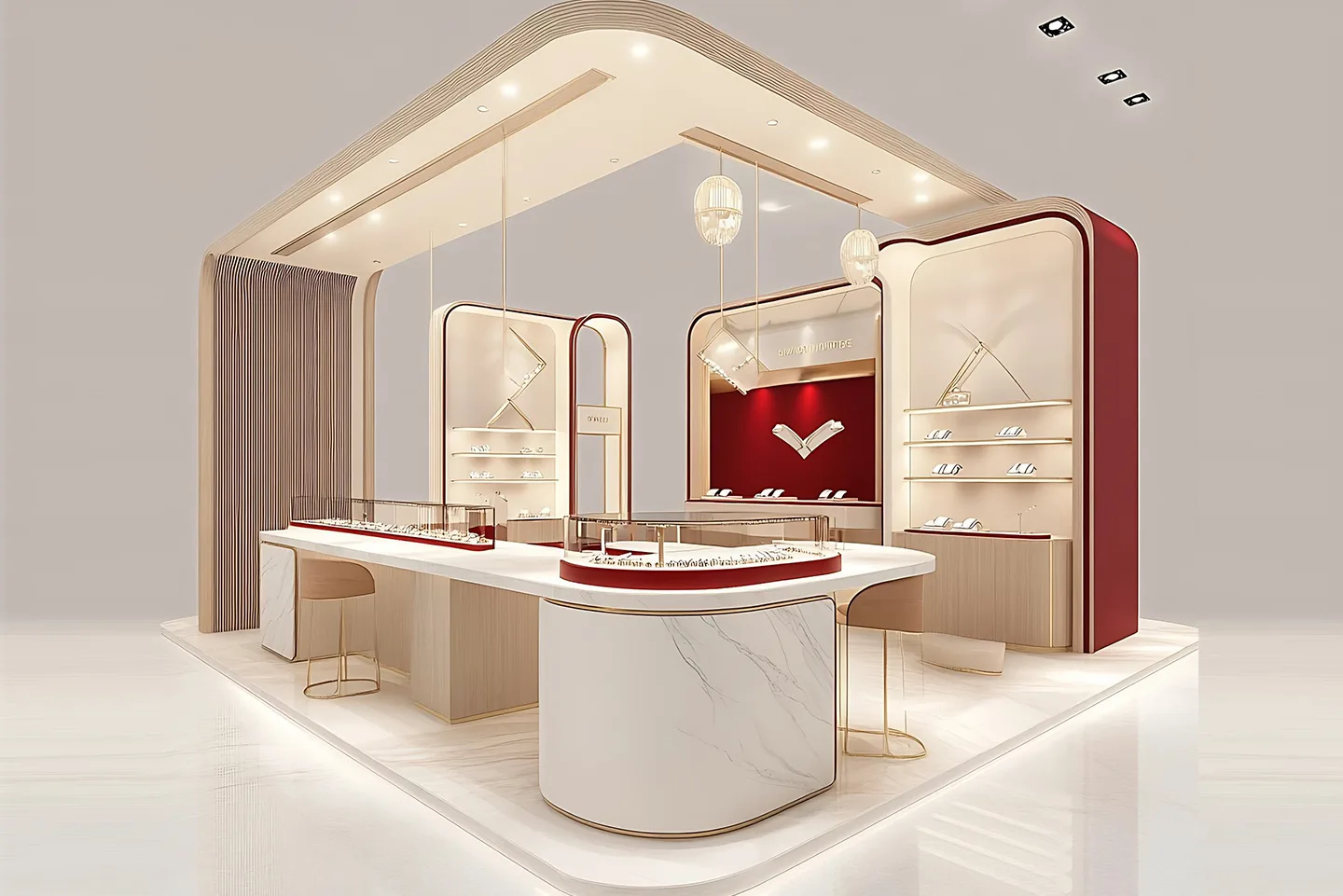
The layout is the foundation of any kiosk shop design. Before selecting colors, finishes, or decorative details, it is important to determine how customers will approach the kiosk, where staff will work, how products will be displayed, and how much storage is required. A well-planned kiosk layout design should make efficient use of the available footprint while maintaining clear customer circulation and a comfortable working environment for staff. Here are some of the main layout methods for kiosk shops:
Open Island Layout:
An open island layout allows customers to approach the kiosk from several directions, making it suitable for shopping malls and other high-traffic retail areas. This type of layout is commonly used for cosmetics, mobile accessories, jewelry, gifts, and fashion accessories.
Because the kiosk can be viewed from multiple sides, product displays, signage, and branding should remain visually consistent around the entire structure. Display height should also be controlled so customers can easily see products without the kiosk feeling too enclosed.
- Counter-Based Layout
A counter-based layout creates a clearer separation between customers and staff. It is especially suitable for coffee kiosks, beverage counters, bakery kiosks, food kiosks, and service-based businesses.
The front counter should provide enough space for ordering, payment, and product presentation, while the staff side should accommodate equipment, preparation areas, storage, and daily operations. A practical counter layout can improve service efficiency while keeping the customer-facing area clean and organized.
- Display-Focused Layout
A display-focused layout places product presentation at the center of the retail kiosk design. It is often used for jewelry, watches, cosmetics, electronics, and accessories where visual presentation directly influences purchasing decisions. For watch retailers, integrating well-designed watch store fixtures such as glass showcases, display counters, and illuminated cabinets can help improve product visibility while creating a more professional and premium shopping environment.
Glass showcases, illuminated shelves, acrylic holders, lockable cabinets, and branded display panels can be incorporated into the kiosk. The key is to give important products maximum visibility while maintaining convenient access and sufficient storage for staff.
2. Plan Product Display Around Customer Behavior
Product placement should reflect how customers naturally approach, browse, compare, and interact with the kiosk. High-priority products should be placed in the most visible areas, while supporting products can be displayed on secondary shelves, hooks, drawers, or integrated storage units.
A strong kiosk display design should balance product visibility, accessibility, branding, security, retail fixtures planning, and staff efficiency. Different retail categories require different display methods, so the layout, retail fixture system, and fixture structure should be adapted to the products being sold.
| Kiosk Type | Display Focus | Recommended Display Features | Key Design Considerations |
|---|---|---|---|
| Cosmetics Kiosk | Product testing and brand presentation | Tester areas, illuminated shelves, mirrors, acrylic holders, display trays | Keep products easy to reach and compare; integrate storage for fast replenishment |
| Jewelry Kiosk | Premium presentation and security | Tempered glass showcases, LED lighting, lockable drawers, enclosed storage | Balance visibility with security and use refined materials to create a premium look |
| Electronics Kiosk | Product demonstration and accessory display | Demo counters, charging points, digital screens, cable management, secure cabinets | Plan electrical access and cable routing early while keeping displays clean and organized |
| Coffee Kiosk | Menu visibility and service efficiency | Menu boards, service counters, pickup areas, branded panels, integrated storage | Coordinate ordering, preparation, payment, and pickup for an efficient workflow |
| Food & Beverage Kiosk | Product presentation and fast service | Display cases, preparation counters, refrigeration areas, menu panels | Focus on hygiene, equipment placement, service speed, and easy-to-clean materials |
| Fashion Accessories Kiosk | Product variety and easy browsing | Open shelving, hooks, display stands, mirrors, branded feature panels | Organize products clearly while maintaining an open and attractive display |
| Mobile Accessories Kiosk | Compact merchandising and product comparison | Pegboards, hooks, glass cabinets, demo areas, storage drawers | Maximize vertical display space and organize products by category or device type |
The display strategy should always reflect how customers use the kiosk. For example, a cosmetics kiosk should encourage testing and comparison, while a jewelry kiosk should prioritize visibility and security. A coffee kiosk depends more heavily on workflow and speed, whereas a mobile accessories kiosk needs to maximize display capacity within a compact footprint.
3. Choose the Right Materials for Your Kiosk
Material selection affects the appearance, durability, maintenance, cost, and overall quality of a custom retail kiosk and its retail fixtures. Most kiosks use a combination of materials rather than relying on one material throughout the entire structure. The right choice depends on where the material is used, how frequently customers interact with it, the required finish, and the overall brand style.
| Material | Common Kiosk Application | Main Advantages | Suitable For |
|---|---|---|---|
| MDF / Engineered Wood | Counter bodies, cabinets, display structures | Flexible shapes, smooth painted finishes, easy customization | Cosmetics, fashion, electronics, coffee kiosks |
| Plywood | Structural panels and cabinetry | Good strength and durable construction | High-use commercial kiosks |
| Metal | Frames, trims, shelving, decorative structures | Strong, durable, suitable for slim structures | Electronics, fashion, modern retail |
| Stainless Steel | Worktops, trims, food preparation areas | Durable, easy to clean, professional appearance | Coffee and food kiosks |
| Tempered Glass | Showcases and display areas | High product visibility and premium presentation | Jewelry, watches, cosmetics |
| Acrylic | Signage, holders, decorative components | Lightweight and flexible for custom shapes | Cosmetics, electronics, promotional displays |
| Laminate | Cabinet and counter finishes | Wide range of colors and textures | High-traffic retail kiosks |
| Painted / Lacquered Finish | Branded exterior panels | Smooth appearance and flexible color matching | Beauty, fashion, branded retail |
| Stone-Look Surfaces | Countertops and feature panels | Premium visual effect | Coffee, beauty, luxury kiosks |
| LED Lighting | Shelves, logos, showcases | Improves visibility and strengthens branding | Most kiosk types |
Material selection should always consider actual operating conditions. For example, high-touch countertops need good resistance to scratches and daily wear, while jewelry showcases may place greater emphasis on glass quality, metal detailing, and integrated lighting. Coffee and food kiosks, meanwhile, often require durable and easy-to-clean work surfaces.
4. Use Materials and Finishes to Strengthen the Brand
Materials, colors, textures, signage, and lighting should work together to create a clear and consistent brand identity. Even though a kiosk has a small footprint, the right combination of finishes can strongly influence how customers perceive the brand.
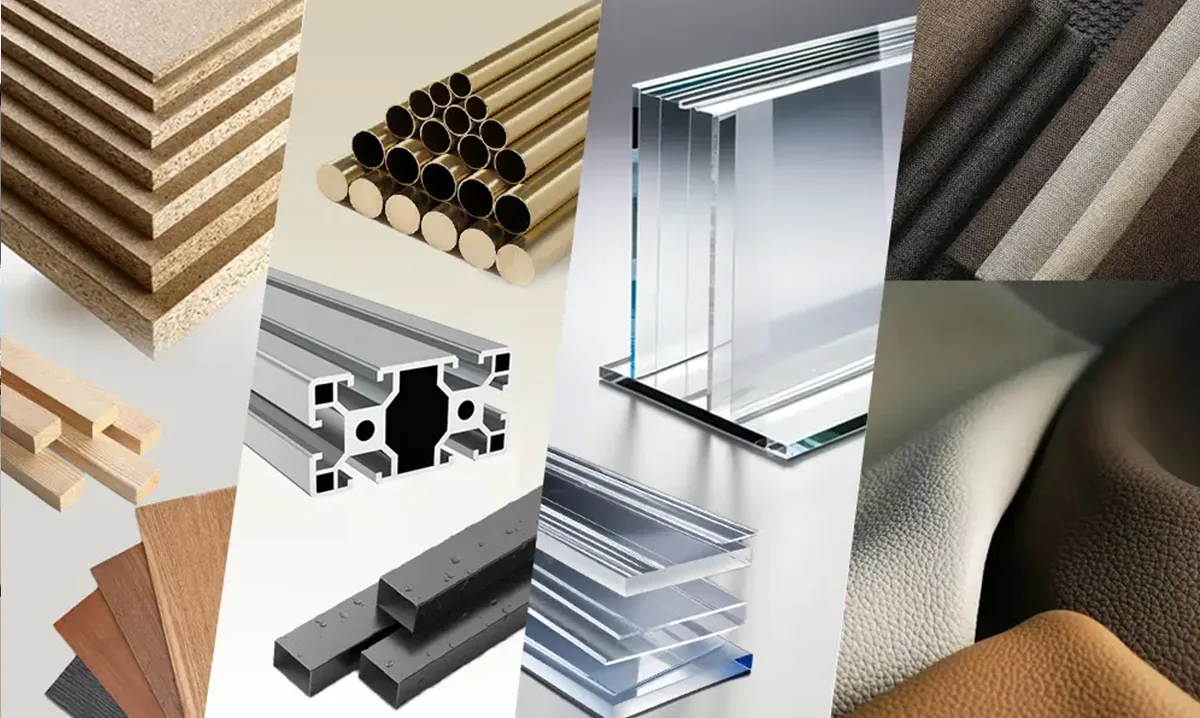
Different retail categories can use materials to reinforce their positioning. Electronics kiosks may combine metal, darker finishes, LED lighting, and digital displays to create a technology-focused environment, while jewelry kiosks often use tempered glass, metallic details, stone-look surfaces, and controlled lighting for a more premium presentation. In custom retail kiosk design, using too many decorative materials is unnecessary; two or three carefully selected finishes are usually enough to create a stronger, more recognizable, and visually consistent brand image.
5. Don’t Forget Storage and Staff Workflow
Storage is an important part of kiosk design because space is usually limited. Stock, packaging, cleaning supplies, tools, cables, and other daily-use items all need to be stored properly without making the kiosk look crowded or messy.
Useful storage solutions may include:
- Lockable base cabinets
- Drawers under showcases
- Hidden shelving
- Equipment compartments
- Packaging storage
- Cable access panels
- Integrated waste storage
Staff workflow is equally important. Employees should be able to move easily between checkout, display, preparation, storage, and customer service areas. For example, a coffee kiosk should have a clear flow from ordering to preparation and pickup. A jewelry kiosk should provide quick access to secure drawers while staff are serving customers. In a cosmetics kiosk, frequently used products should be stored close to tester and display areas.
6. Integrate Lighting Into the Kiosk Design
Lighting should be planned as part of the kiosk design from the beginning, not added at the final stage. Good lighting helps products stand out, improves visibility, and creates the right atmosphere for the brand. Jewelry and cosmetics kiosks often use focused lighting to highlight product details, while coffee and food kiosks may combine bright work lighting with warmer lighting for customers.
Common lighting applications include:
- LED shelf lighting
- Showcase lighting
- Illuminated logos
- Light boxes
- Under-counter lighting
- Decorative feature lighting
Electrical components also need to be considered during the design process. Cables, transformers, sockets, power supplies, and access panels should be built into the kiosk fixtures so they stay hidden from customers but remain easy for staff to access when maintenance is needed. This keeps the kiosk looking clean while making daily operation more practical.
7. Make Branding Visible From Different Directions
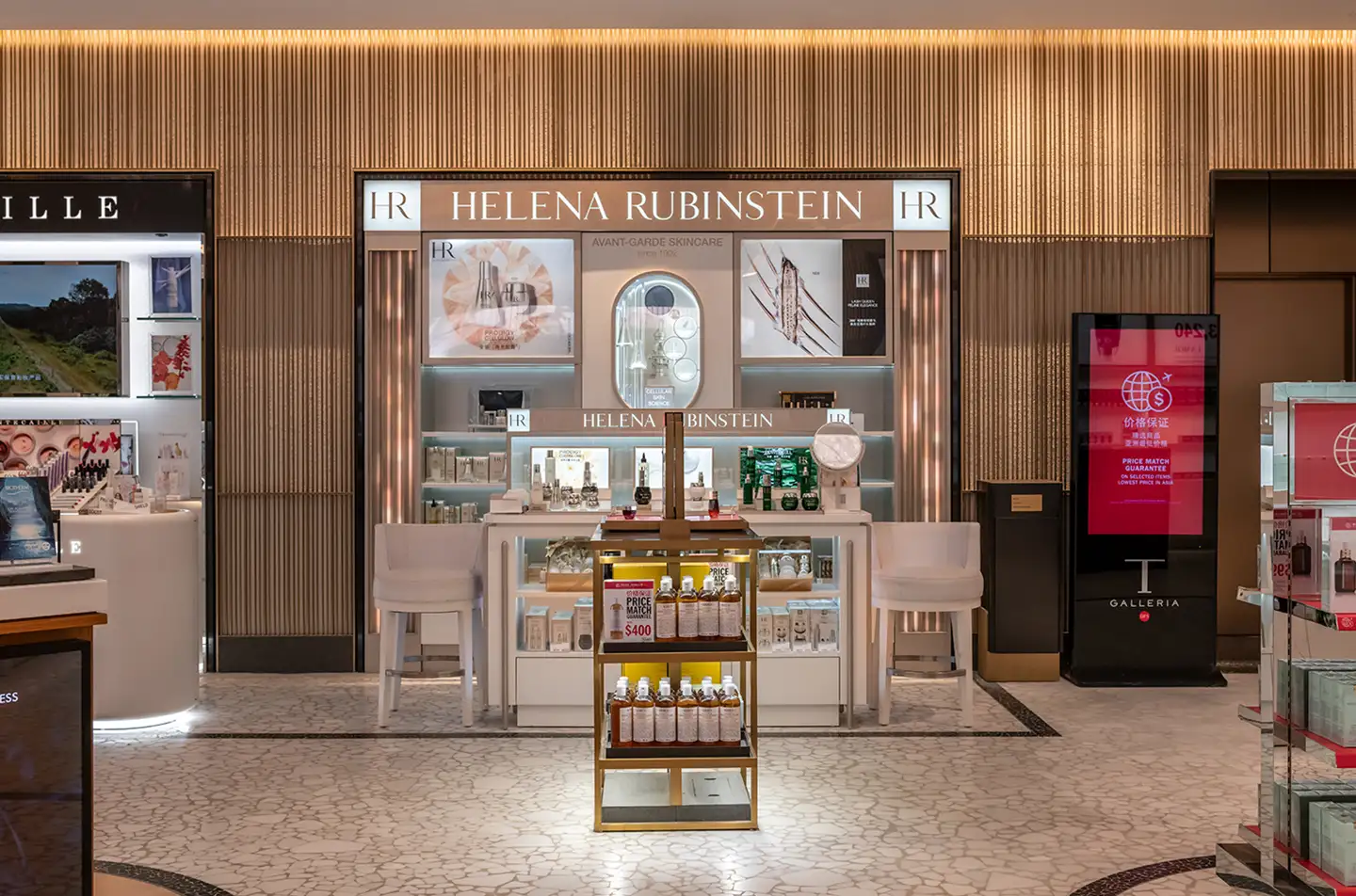
A mall kiosk can often be seen from several directions, so branding should not be limited to the front. Customers walking from different aisles should be able to recognize the brand and understand what the kiosk sells before they reach it. Clear logos, signage, graphics, and digital displays can help create stronger visibility from a distance.
Common branding elements include:
- Overhead signage
- Illuminated logos
- Counter-front branding
- Corner graphics
- Product category signs
- Digital displays
- Promotional panels
Branding should be noticeable without making the kiosk feel closed or crowded. The main logo should be easy to see, while secondary graphics can be added to counters, shelves, and display panels. A well-designed kiosk balances strong brand visibility with an open layout, making the space easier to notice and more inviting to customers.
Custom Kiosk Design and Retail Fixtures Manufacturing With ONI Display
A successful kiosk design should bring together branding, product display, customer experience, and daily operations. From layout and materials to storage, lighting, signage, and display fixtures, every detail should work as part of one complete retail solution. ONI Display provides custom retail fixture manufacturing for shopping mall kiosks, coffee kiosks, cosmetics kiosks, jewelry kiosks, and fashion kiosks, etc. with layouts, dimensions, finishes, storage systems, and display structures developed according to each project’s needs.
Working with an experienced retail fixture manufacturer can help turn your ideas into a practical, functional, and brand-focused kiosk. Start your custom kiosk project with ONI Display and create a retail space that supports both your brand image and everyday operations.
In Conclusion
A successful kiosk shop design should combine efficient layout, suitable materials, strong product presentation, practical storage, lighting, and clear branding within a compact space. Whether for cosmetics, jewelry, coffee, electronics, or other retail categories, a well-designed custom retail kiosk can improve customer experience, support daily operations, and strengthen brand identity while creating a practical foundation for custom manufacturing and long-term use.
Frequently Asked Questions About Kiosk Shop Design
What should be included in a kiosk shop design?
A complete kiosk shop design should consider the kiosk footprint, customer flow, product display areas, counters, storage, lighting, electrical requirements, signage, branding, materials, and staff workflow. These elements should work together to create a kiosk that is attractive, practical, and suitable for daily retail operations.
What materials are commonly used for retail kiosks?
Common materials include MDF, plywood, metal, stainless steel, tempered glass, acrylic, laminate, painted finishes, stone-look surfaces, and LED lighting. The right combination depends on the kiosk type, brand style, durability requirements, operating environment, and budget.
Can a kiosk be fully customized?
Yes. A custom kiosk design can be developed according to the available space, brand identity, product category, equipment, storage requirements, lighting, and preferred materials. Dimensions, display structures, finishes, signage, cabinets, retail fixtures, and other fixture details can all be customized.
 Contact us today to start your custom display fixtures project.
 WhatsApp/Call: +86 186 2096 3396
 Email: sales1@onishopfitting.com
 Website: www.onidisplay.com
 Factory Location: Guangzhou, China