The Real Cost of Custom Retail Store Fixtures in 2026
When planning a retail store project, one of the first questions brands usually ask is: How much do custom retail store fixtures cost?
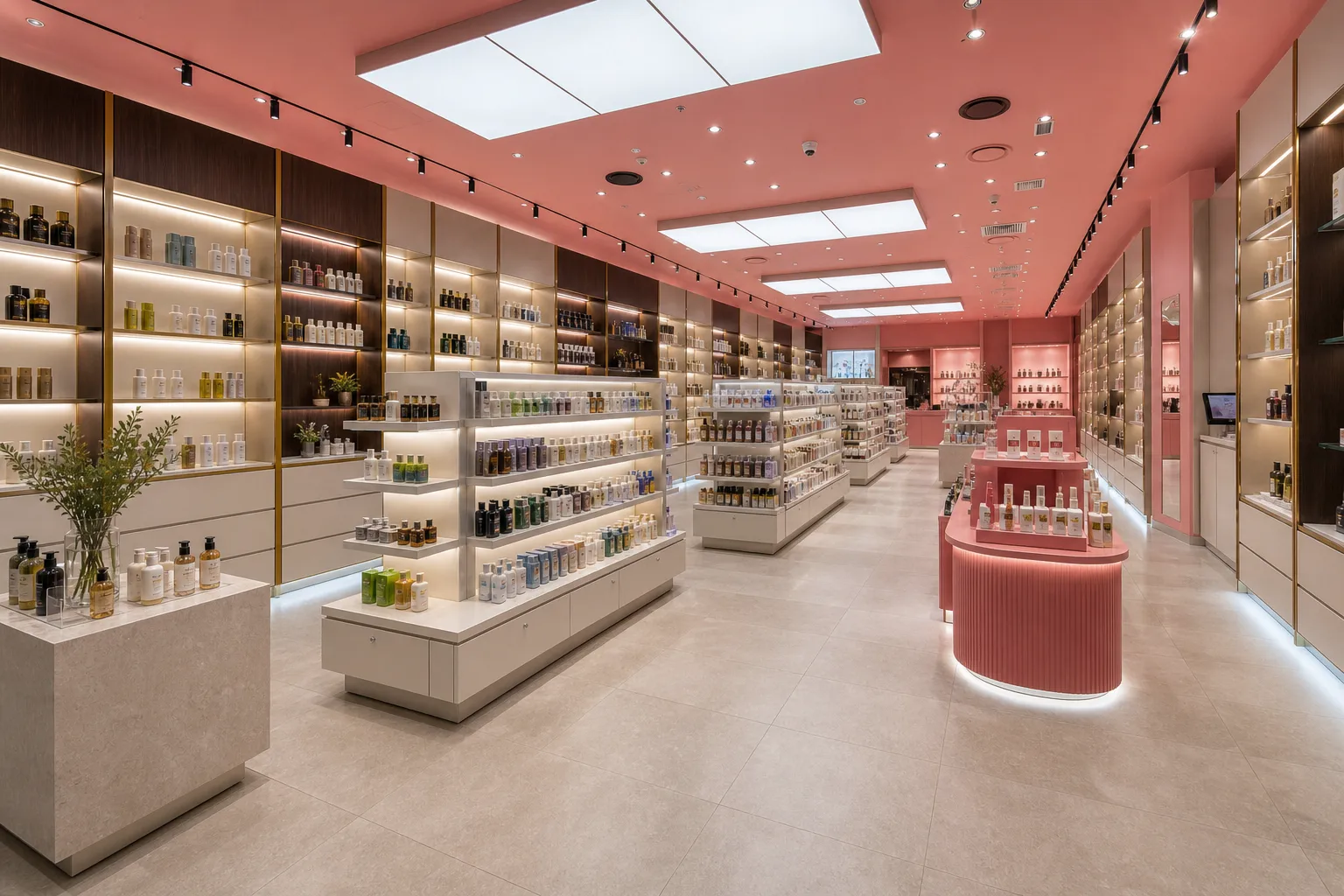
The answer depends on many factors. Unlike ready-made retail furniture, custom store fixtures are designed and manufactured according to a brand’s products, store layout, customer experience goals, and visual merchandising requirements.
In 2026, the average cost of custom retail fixtures typically ranges from $300 to $5,000+ per unit, while complete retail fixture projects can range from $10,000 to over $1 million, depending on project scale, materials, and customization requirements.
| Project Type | Typical Budget | Suitable For |
|---|---|---|
| Small retail display project | $10,000-$50,000 | Boutiques, pop-up stores, small retailers |
| Medium retail fixture project | $50,000-$200,000 | Brand stores and retail chains |
| Large retail store project | $200,000-$1M+ | Flagship stores and multi-location rollouts |
The final cost is mainly influenced by fixture size, material selection, surface treatment, manufacturing process, lighting systems, craftsmanship, shipping requirements, and installation services. For brands, the goal is not simply to find the lowest price. The most successful retail fixture projects balance design quality, functionality, durability, and overall investment value.
Quick Cost Comparison: Custom Retail Store Fixtures in 2026
Before looking at the details, it is helpful to understand the typical cost range of different retail fixture categories.
| Fixture Type | Average Cost Range | Common Applications |
|---|---|---|
| Wall display fixtures | $450-$1,000+ per unit | Fashion, cosmetics, lifestyle stores |
| Glass display cabinets | $600-$1,500+ per unit | Jewelry, watches, premium products |
| Retail counters | $500-$800+ per unit | Checkout and customer service areas |
| Retail shelving systems | $300-$500+ per unit | General retail environments |
| Custom promotional displays | $1,500-$2,000+ per unit | Product launches and campaigns |
Note: These prices are only reference ranges. The actual cost of a custom retail fixture project depends on the design requirements, materials, production methods, and order quantity.
8 Factors That Affect Custom Retail Fixture Costs
Custom retail fixture pricing is influenced by more than just the size of the display itself. Every design decision, from material selection to production methods, can affect the final investment.
Understanding these cost factors helps brands make better decisions during the planning stage and choose the right balance between design requirements, functionality, and budget.
1. Size and Quantity of Fixtures
The size and quantity of retail fixtures are two of the most important factors affecting project costs.
A single customized display cabinet requires fewer materials and production resources compared with a complete store fixture package that includes multiple display units, counters, and shelving systems. Larger projects usually involve more engineering work, more production time, and more complex logistics. However, larger quantities can also improve production efficiency and reduce the average cost per unit.
The main factors related to fixture size and quantity include:
- Number of fixture units: More displays, counters, and shelving systems increase material and production requirements.
- Fixture dimensions: Larger structures require more materials, manufacturing time, and packaging space.
- Store coverage: Full-store projects require more coordination compared with individual display units.
- Production volume: Larger orders may benefit from optimized manufacturing processes and lower average unit costs.
For brands planning multiple store locations, early production planning can help improve cost efficiency and maintain consistency across different retail environments.
2. Material Selection
Materials have a direct impact on both the appearance and cost of retail fixtures. Common materials used in custom retail displays include wood-based panels, veneer, metal, glass, acrylic, and stone. Each material creates a different visual effect and provides different levels of durability.
| Material | Characteristics |
|---|---|
| Wood veneer | Natural appearance and premium feeling |
| Metal | Modern style and strong durability |
| Glass | Better product visibility |
| Acrylic | Flexible and lightweight |
| Stone | High-end visual impact |
The best material choice depends on the brand’s positioning, product type, store environment, and budget requirements. A professional retail fixture manufacturer can help brands select materials that achieve the desired appearance while maintaining cost efficiency.
3. Surface Treatment and Finishing
Surface finishing plays an important role in determining the final appearance, durability, and perceived quality of custom retail fixtures. Different finishing methods can transform the same fixture design into completely different visual experiences, from simple commercial displays to premium retail environments.
Common surface treatment options include:
- Painting finishes: Matte paint, high-gloss lacquer, and custom color matching are commonly used to achieve specific brand aesthetics.
- Wood finishes: Natural veneer, stained wood, and textured finishes create a warmer and more premium appearance.
- Metal finishes: Brushed metal, powder coating, and special metallic effects provide modern and durable surfaces.
- Decorative finishes: Acrylic elements, marble patterns, laminates, and customized textures can add unique visual characteristics.
For retail brands, surface treatment is not only about appearance. High-quality finishing also improves durability and helps create a consistent brand image throughout the store environment.
4. Manufacturing Process and Customization Level
Custom retail fixtures require a complete manufacturing process rather than simple assembly. The complexity of production directly affects cost, especially when projects involve unique designs, special structures, or customized functions.
For example, a standard shelving unit may have a simple production process, while a custom display cabinet with curved structures, integrated lighting, and specialized hardware requires significantly more precision and craftsmanship.
A typical manufacturing process includes:
- Design development: Creating concepts, layouts, and 3D visualizations based on brand requirements.
- Engineering preparation: Developing technical drawings and production details to ensure accuracy.
- Material processing: Cutting, shaping, and preparing different materials according to specifications.
- Assembly and finishing: Combining components and applying required surface treatments.
- Quality inspection: Checking dimensions, appearance, and functionality before delivery.
The more customized a fixture is, the more engineering and production time it requires.
5. Lighting Systems
Lighting is an important part of modern retail display design and can significantly influence product presentation. A well-designed lighting system helps brands create better shopping experiences by improving visibility and highlighting key products.
Common lighting solutions include:
- LED strip lighting: Frequently used in shelves, cabinets, and display areas to provide consistent illumination.
- Spotlights: Used to highlight specific products and create visual focus.
- Integrated cabinet lighting: Designed into display fixtures for a cleaner and more professional appearance.
- Smart lighting systems: Used in advanced retail environments where brightness and atmosphere need flexible control.
The cost of lighting depends on:
- Number of lighting components
- Control system requirements
- Installation complexity
- Fixture design integration
For industries such as jewelry, cosmetics, electronics, and premium retail, lighting is often considered an essential part of the display solution rather than an additional decoration.
6. Craftsmanship and Production Quality
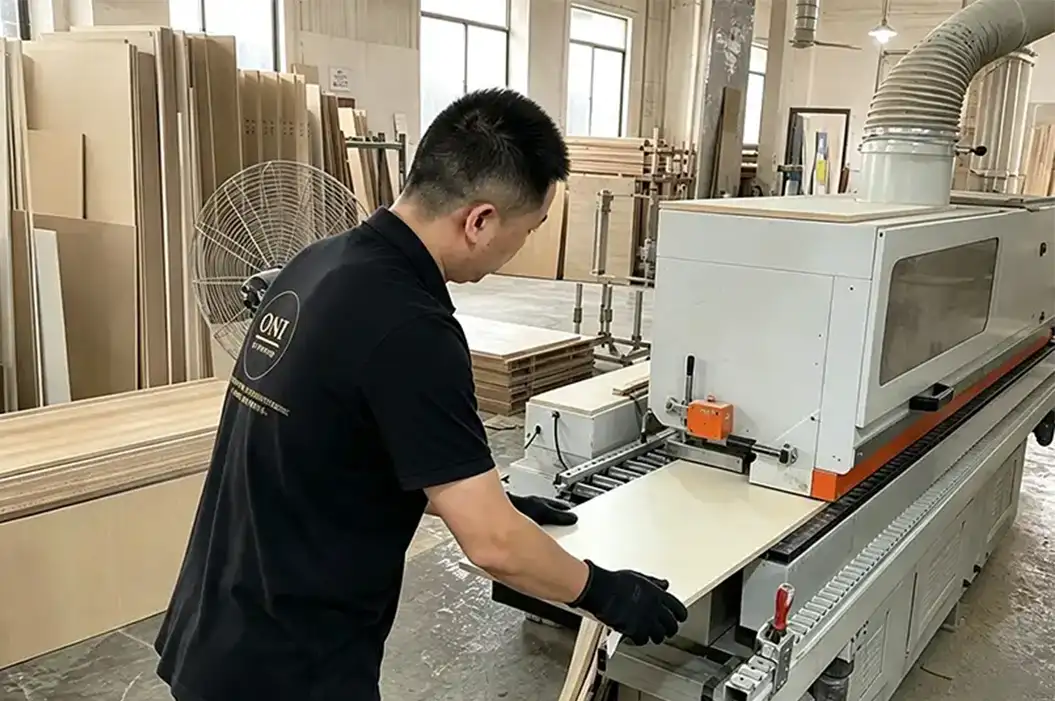
Craftsmanship directly affects the quality, durability, and overall cost of custom retail fixtures. Although modern manufacturing equipment provides precision and efficiency, skilled workers remain essential for processes that require attention to detail, such as assembly, surface finishing, adjustment, and final quality inspection.
Unlike standard retail furniture, custom fixtures are often designed around specific brand requirements. Small details in production can have a significant impact on the final result, especially for stores where customers directly interact with display systems.
High-quality craftsmanship ensures:
- Accurate dimensions: Precise production helps fixtures fit perfectly within the store layout and avoids installation issues.
- Smooth surfaces: Professional finishing improves the look and feel of materials while creating a more premium customer experience.
- Strong construction: Proper assembly techniques ensure fixtures remain stable and durable during long-term use.
- Consistent appearance: Careful quality control helps maintain the same visual standard across multiple fixtures and store locations.
Craftsmanship is especially important for custom retail environments where details such as panel alignment, edge finishing, material transitions, and structural stability directly influence the final store presentation.
For retail brands, these details affect how customers perceive both the store environment and the products being displayed. A well-made fixture not only enhances the appearance of a retail space but also provides better long-term performance and reduces future maintenance costs.
7. Shipping and Logistics
For international retail projects, shipping and logistics are important factors that can significantly affect the final project budget and delivery timeline.
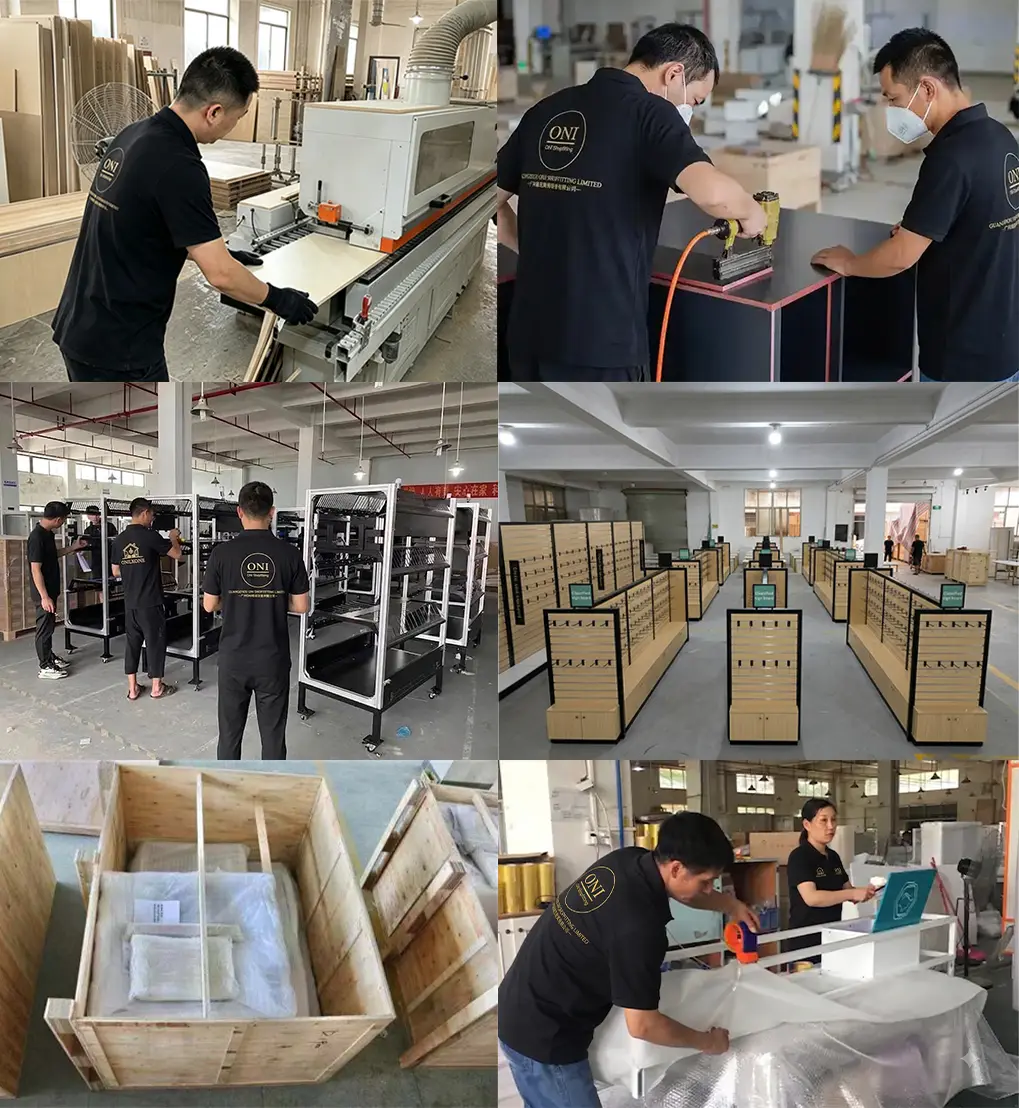
Unlike standard furniture products, custom retail fixtures often include large structures, glass components, premium surface finishes, and customized parts that require careful handling during transportation. Proper packaging and logistics planning are essential to prevent damage and ensure fixtures arrive in the same condition as they were manufactured.
Shipping costs depend on:
- Fixture volume: Larger fixture quantities require more space and may affect container loading efficiency and transportation costs.
- Destination country: International shipping costs vary depending on location, import requirements, and delivery conditions.
- Packaging requirements: Custom fixtures may require protective materials, reinforced packaging, or export-standard solutions to prevent damage during transit.
- Transportation method: Sea freight, air freight, and other transportation options can significantly influence both cost and delivery speed.
For global retail projects, logistics planning should be considered from the early design stage. Fixture dimensions, packaging methods, and shipment schedules can all be optimized to improve efficiency and control costs.
Working with an experienced retail fixture manufacturer helps brands manage the entire process more effectively, from production coordination and export preparation to final delivery, reducing unexpected expenses and ensuring a smoother project execution.
8. Installation Services
Installation is an important cost factor in custom retail fixture projects because the final setup requires professional coordination, skilled labor, and careful execution. Unlike standard furniture installation, custom retail fixtures often involve multiple components, precise positioning, lighting connections, and adjustments to ensure everything matches the approved design.
Installation costs can vary depending on the project location, fixture quantity, design complexity, site conditions, and required installation time. For international retail projects, additional factors such as local labor costs, travel arrangements, and on-site coordination may also influence the overall budget.
Working with an experienced retail fixture manufacturer that provides installation support helps brands reduce unexpected costs, avoid installation issues, and ensure the finished retail environment meets the expected quality standards.
Example Budget: What Does a Custom Retail Fixture Project Cost?
The cost of a custom retail fixture project can vary significantly depending on store size, fixture quantity, material selection, design complexity, and production requirements. While every project is unique, understanding typical budget ranges can help brands estimate their investment and plan their retail development strategy more effectively. The following examples provide general reference ranges for different types of retail fixture projects.
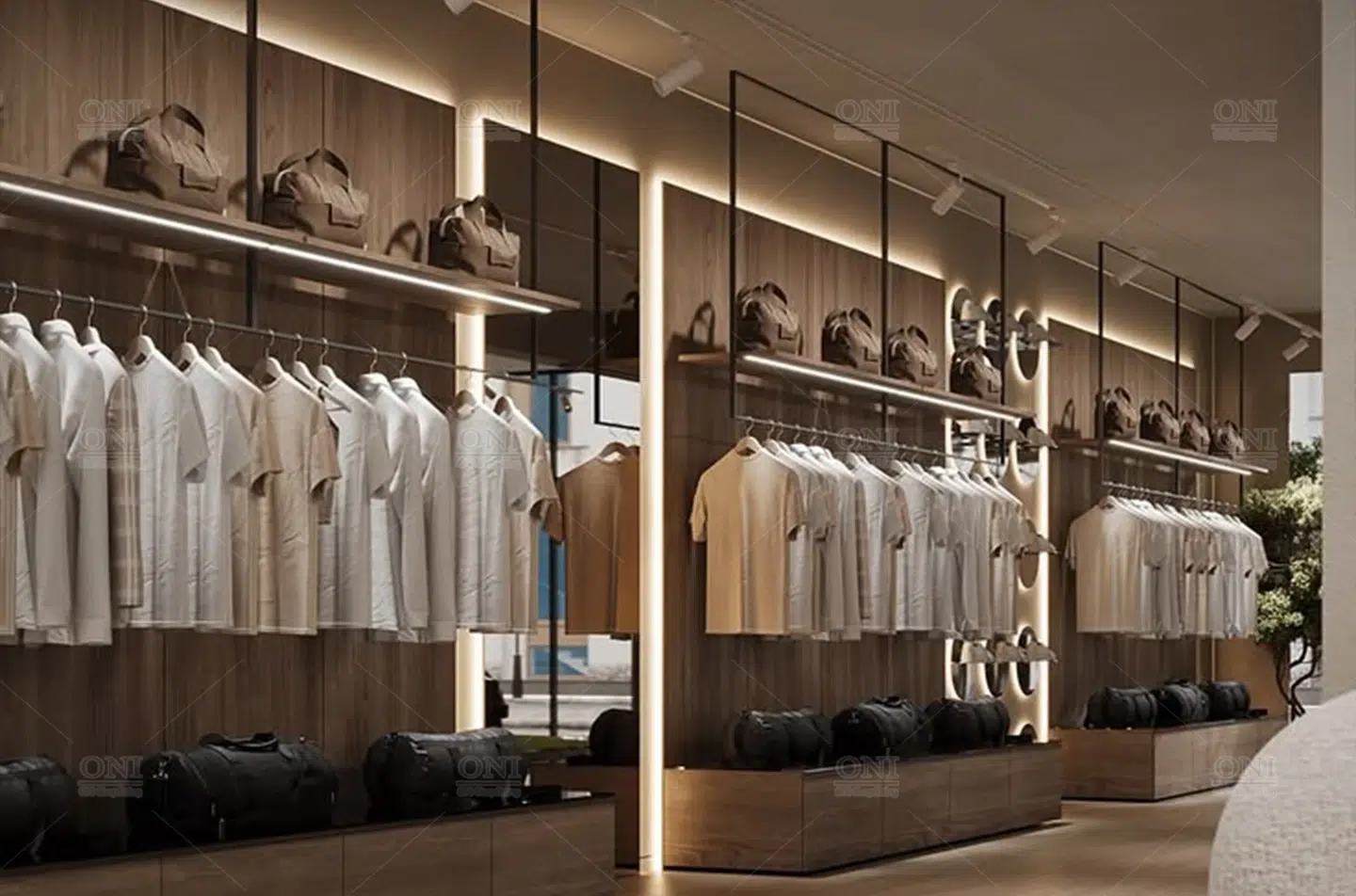
Small Retail Project
Small retail projects are usually designed for independent stores, boutiques, pop-up shops, or new retail concepts that require a limited number of customized fixtures.
These projects typically focus on essential display solutions, including wall displays, shelving units, retail counters, and basic lighting systems. The goal is to create a functional and attractive store environment while maintaining cost efficiency.
Typical investment: $20,000-$80,000
Medium Retail Project
Medium-sized retail projects usually involve more customized fixture requirements and a larger store area. These projects may include customized display cabinets, retail counters, brand display walls, integrated lighting systems, and multiple fixture categories designed to create a consistent shopping experience.
Brands at this stage often require a stronger focus on visual merchandising, product presentation, and fixture consistency.
Typical investment: $80,000-$250,000
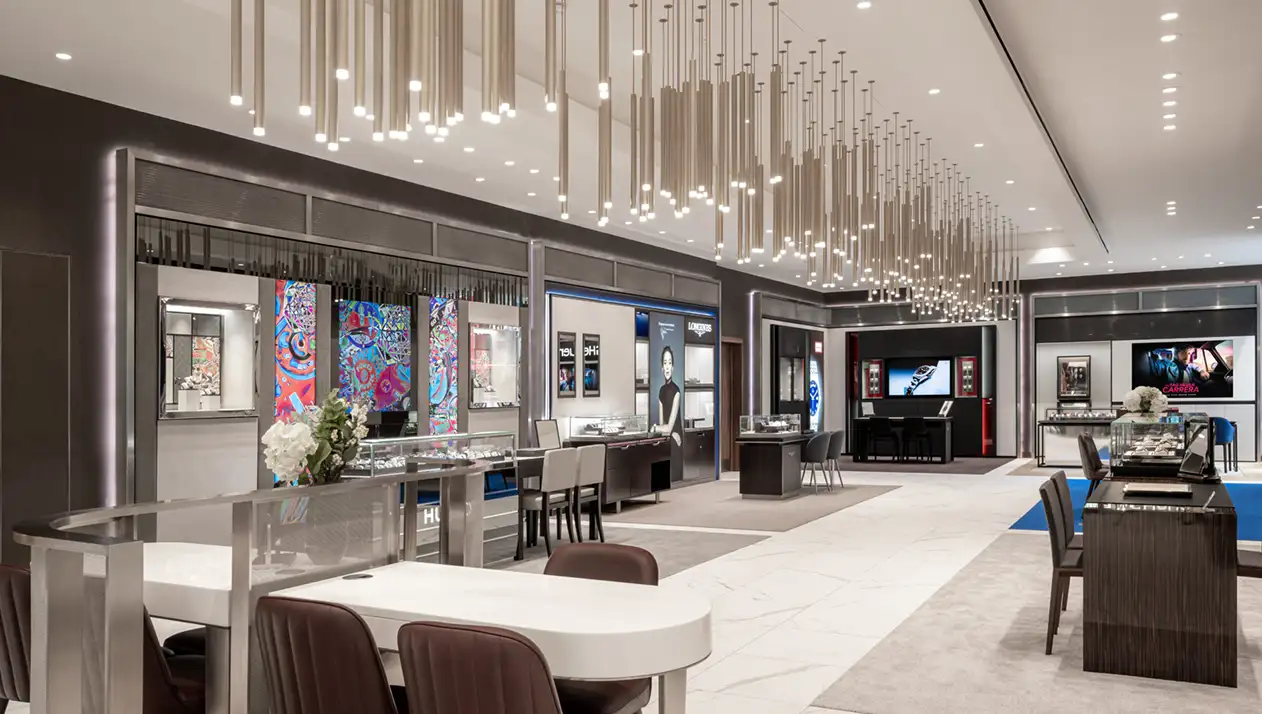
Large Retail Rollout Project
Large retail rollout projects typically involve complex fixture systems, multiple store locations, and detailed production coordination.
These projects often require standardized fixture designs that can be reproduced across different locations while maintaining consistent brand presentation. They may also include project management, quality control, packaging, logistics coordination, and delivery support.
For global retailers and growing brands, working with an experienced retail fixture manufacturer is essential to ensure quality consistency and efficient execution.
Typical investment: $250,000-$1M+
How ONI Display Helps Brands Reduce Custom Fixture Costs
The biggest challenge for many retail brands is not only creating attractive store fixtures, but finding the right balance between design quality, production efficiency, and project budget. Choosing an inexperienced supplier can lead to unexpected costs, longer lead times, and costly production adjustments.
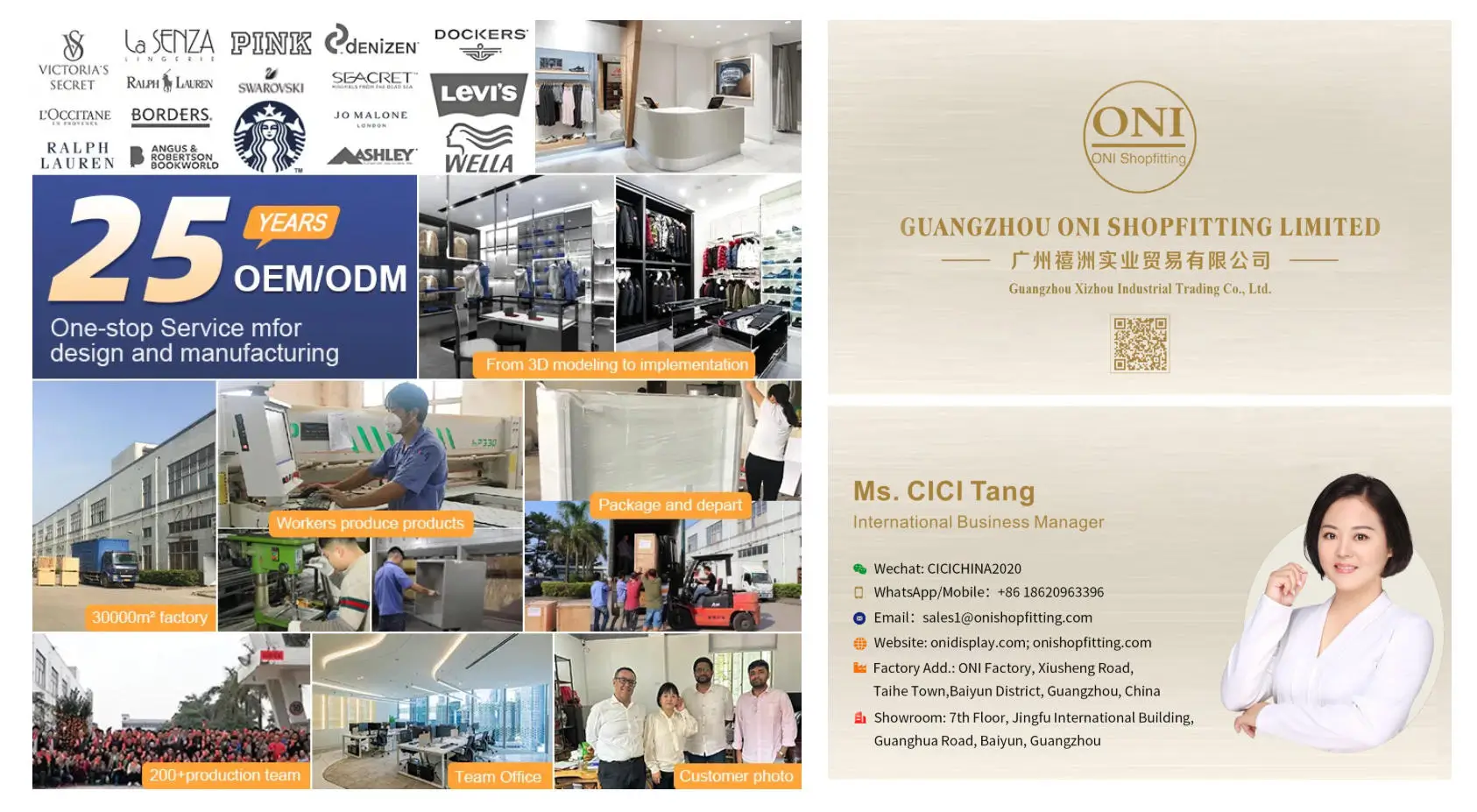
Choosing the right retail fixture manufacturer can significantly influence the efficiency and cost of a store project. ONI Display provides customized retail fixture solutions for brands, retailers, and commercial spaces, specializing in display cabinets, retail shelving systems, counters, and custom store fixtures.
With integrated design and manufacturing capabilities, ONI Display supports projects from initial concept development and engineering to production, quality inspection, and delivery. By working directly with an experienced manufacturer, brands can achieve better control over product quality, production timelines, and overall project costs while creating retail environments that match their business needs.
Summary
The cost of custom retail store fixtures in 2026 varies depending on fixture size, materials, surface finishes, manufacturing complexity, lighting requirements, shipping, and installation needs. Small retail projects may start from around $10,000, while larger retail programs involving customized fixture systems and multiple locations can require investments of hundreds of thousands or even over one million dollars.
There is no universal price for custom retail fixtures because every brand has different products, store layouts, and design requirements. The most effective approach is working with an experienced manufacturer that understands both design expectations and production processes, helping brands achieve the right balance between visual presentation, functionality, durability, and budget efficiency.
FAQ: Custom Retail Store Fixture Pricing
How much does a custom retail fixture cost?
A custom retail fixture usually costs between $300 and $5,000+ per unit, depending on size, materials, design complexity, finishing requirements, and production quantity.
How can brands reduce custom retail fixture costs?
Brands can control costs by selecting suitable materials, optimizing fixture designs, planning projects early, and working with an experienced manufacturer that can manage design and production efficiently.
Why choose ONI Display for custom retail fixtures?
ONI Display provides customized retail display solutions with professional design and manufacturing capabilities, helping brands create functional, attractive, and cost-effective retail environments.
 Contact us today to start your custom display fixtures project.
 WhatsApp/Call: +86 186 2096 3396
 Email: sales1@onishopfitting.com
 Website: www.onidisplay.com
 Factory Location: Guangzhou, China
 Check out our social media case studies:Guangzhou ONI Shopfitting Limited