


Retail kiosks help brands sell in compact spaces, attract passing customers, and test new retail locations with lower project complexity.
Retail kiosks include mall kiosks, inline kiosks, food and beverage kiosks, cosmetic kiosks, jewelry kiosks, electronics kiosks, pharmacy kiosks, pop-up kiosks, promotional kiosks, and self-service digital kiosks. The right kiosk type depends on product category, mall location, customer traffic, display needs, storage, branding, security, utilities, and installation requirements.
To choose the right kiosk, your first need to understand how each kiosk type works, where it performs best, and what design requirements it brings. This guide explains the main types of retail kiosks and helps you choose the most suitable kiosk solution for your business.
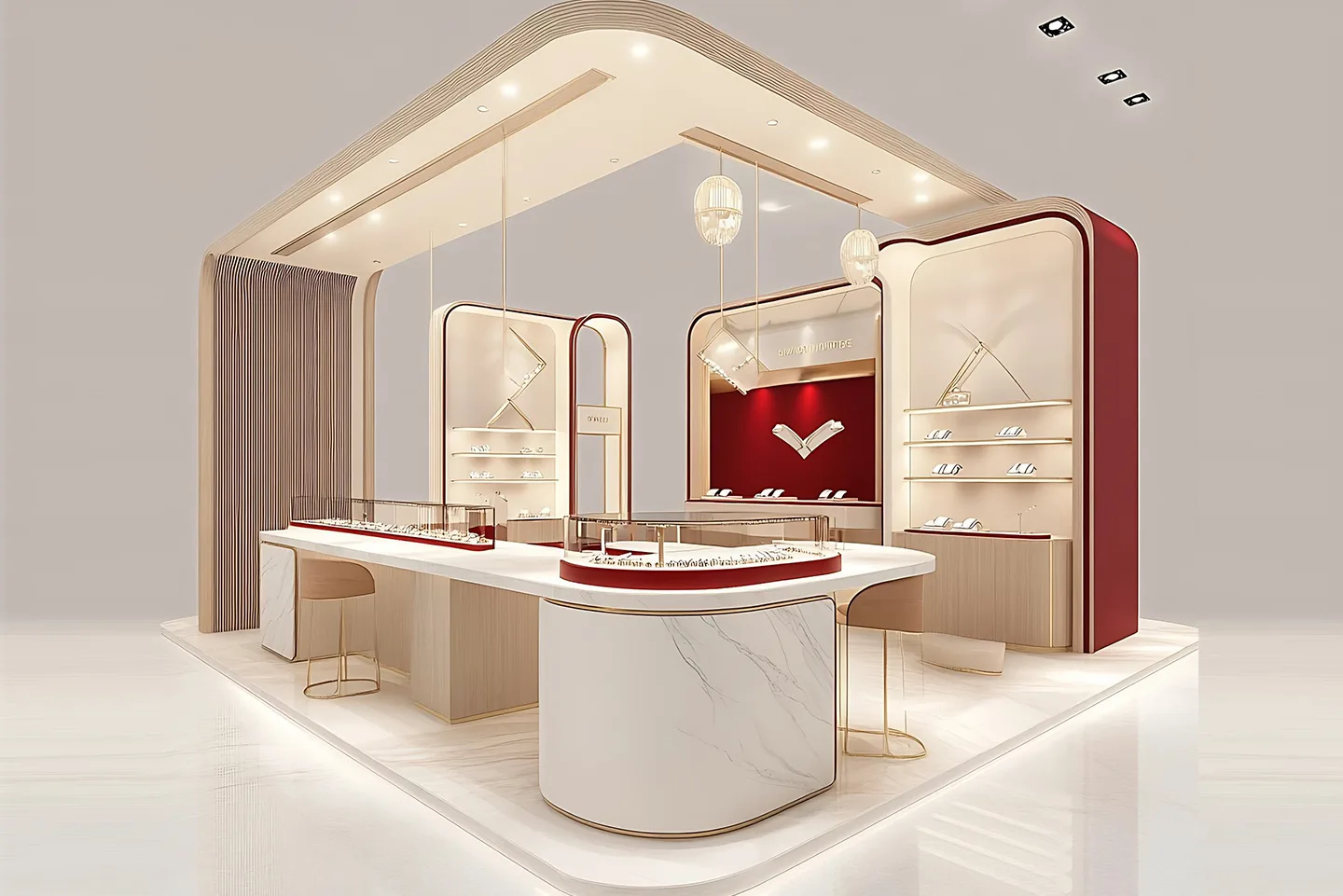
What Is a Retail Kiosk?
A retail kiosk is a compact commercial fixture or small-format selling space used to display products, serve customers, process transactions, or promote a brand in a limited area. It is commonly used in shopping malls, department stores, supermarkets, airports, exhibition halls, commercial corridors, and store entrance zones.
Unlike a full-size retail store, a kiosk must combine many functions in a smaller footprint. It may need product display shelves, storage cabinets, checkout counter, lighting, signage, logo panels, glass showcases, cable management, lockable drawers, and staff working space. Because every square meter matters, kiosk design must be more precise than many traditional retail fixtures.
For retail brands, kiosks are useful because they can turn high-traffic locations into active sales points. A well-designed kiosk can help brands launch new products, test a market, support seasonal campaigns, expand into shopping malls, or create an additional sales channel without building a complete store.
For shopping malls and commercial landlords, kiosks also improve space efficiency. Open walkways, atriums, entrance zones, and corridor areas can generate more commercial value when fitted with attractive and well-managed kiosk units. For more retail kiosk references, see custom retail kiosk design and manufacturing.
Mall Kiosks for High-Traffic Retail Areas
Mall kiosks are one of the most widely used kiosk types. They are usually placed in shopping mall corridors, atriums, central walkways, and open commercial zones where customer traffic is strong. Since customers pass by quickly, the kiosk needs to create strong visual impact, show the product category clearly, and attract attention within a few seconds.
A mall kiosk often needs 360-degree visibility because customers may approach from different directions. Logo placement, lighting, product height, counter layout, and staff access all affect the shopping experience. Common mall kiosk categories include cosmetics, jewelry, watches, sunglasses, mobile accessories, snacks, gifts, skincare, beauty tools, and promotional products.
A successful mall kiosk should be compact but not crowded. It needs enough display space, practical storage, clear product grouping, and suitable security features. The design should also follow mall requirements, including height limits, electrical access, material standards, and installation rules, so the kiosk can support daily sales, brand display, and smooth customer interaction.
Inline Retail Kiosks for Storefront Extensions
Inline retail kiosks are custom display fixtures set at store entrances, inside department stores, along shopping aisles or next to existing shop facades. Different from independent island counters, they serve as an integrated brand extension that fits into the original store layout. Brands pick this solution to feature targeted product ranges, host temporary promotions or build compact consultation areas, with no need to restructure the whole shop space. Beauty, skincare and eyewear brands often place inline kiosks at mall entrances to debut new collections and capture incoming foot traffic.
These kiosks only face one primary customer flow, so the front facade defines their display performance. Counters, storage shelves, brand logos, ambient lighting and product racks must be neatly arranged to deliver brand and product information instantly to passers-by. To stand out amid busy retail surroundings, designers prioritize layered displays and focused spotlights on featured goods, shortening the time it takes for shoppers to notice and engage with the brand.
Food and Beverage Kiosks
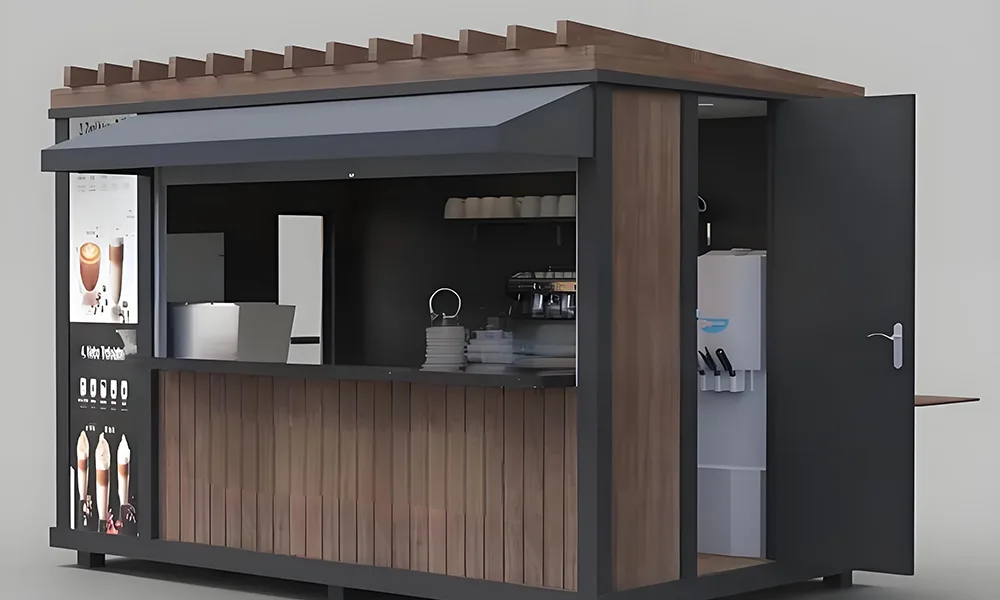
Food and beverage kiosks are compact service stations tailored for fast grab-and-go consumption, prioritizing clear food display and streamlined order processing. Widely deployed in malls, transport hubs, lobbies and retail walkways, they cater to coffee, fresh juice, ice cream, baked pastries, light snacks and pre-packaged refreshments, offering brands a low-investment standalone outlet without a full-size storefront.
Compared to ordinary retail display stands, F&B kiosks demand comprehensive functional layout planning to fit catering workflows. A complete unit integrates multi-purpose prep counters, illuminated digital menu signage, lockable dry storage, reserved cutouts for blenders and ovens, built-in refrigerated display cabinets, plumbing-equipped sinks, dedicated waste sorting zones and separated customer pickup windows. All functional zones are arranged to form a smooth linear workflow, letting staff complete order taking, food making, payment collection and order handover with minimal cross-movement; flawed spatial layout will lead to severe congestion and slow service during peak foot traffic.
Hygiene and wear resistance are core standards for F&B kiosk construction. Designers adopt food-grade stainless steel countertops, waterproof and stain-proof wall panels, anti-rust connecting hardware and easy-wipe surface finishes for daily sanitization. Targeted warm display lighting highlights food textures to boost impulse purchases, while sealed seams and spill-proof structural details prevent liquid leakage, greatly simplifying daily cleaning and long-term equipment maintenance.
Cosmetic and Beauty Kiosks
Cosmetic and beauty kiosks rely heavily on visual merchandising because beauty products are often small, colorful, and detail-focused. The kiosk should make lipsticks, skincare products, makeup palettes, perfumes, beauty tools, and testers easy to see, compare, try, and purchase.
Common design features include illuminated shelves, tester zones, mirrors, drawers, glass counters, brand light boxes, product trays, logo walls, category signage, and storage cabinets. Lighting is especially important for cosmetic kiosks because it affects how customers see product color, packaging, texture, and overall product quality.
A successful cosmetic kiosk should look premium, clean, and inviting. It needs to attract passing customers quickly, organize products clearly, support product testing, and give staff a comfortable space for consultation, promotion, and checkout. With the right layout, lighting, and display fixtures, a cosmetic kiosk can create a strong beauty retail experience in a compact space.
Jewelry and Watch Kiosks
Jewelry and watch kiosks require a stronger focus on security, lighting, and premium presentation. Products are usually high-value and small, so the display system must protect items while making them attractive and easy to view.
Typical features include tempered glass showcases, lockable drawers, LED lighting, secure storage, refined metal trims, soft interior finishes, and carefully positioned display trays. Staff should be able to access products easily while keeping customer-side security under control.
Lighting angle is especially important. Jewelry and watches depend on sparkle, reflection, and detail visibility. Poor lighting can make premium products look flat, while well-planned lighting can improve perceived value. A jewelry or watch kiosk should feel stable, elegant, and trustworthy. Small details such as glass clarity, lock quality, drawer movement, surface finish, and counter height can strongly influence customer confidence.
Electronics and Mobile Phone Kiosks
Electronics and mobile phone kiosks are commonly used to display and sell smartphones, tablets, headphones, chargers, phone cases, smart devices, accessories, and repair services. Since these products are often high-value and frequently handled by customers, the kiosk must balance product visibility, customer interaction, and security.
These kiosks usually need clear product display areas, lockable storage, cable management, demo zones, charging access, and digital screens for promotions or product information. Customers often want to touch, compare, and test devices before making a decision, so the layout should support hands-on experience while keeping valuable products protected.
A well-designed electronics kiosk may include lockable glass counters, product hooks, illuminated display panels, power outlets, demo devices, repair work areas, accessory display sections, and hidden storage cabinets. Products should be grouped by function, such as phones, cases, chargers, earphones, and repair services, so customers can quickly find what they need and staff can serve them more efficiently.
Pharmacy and Health Product Kiosks
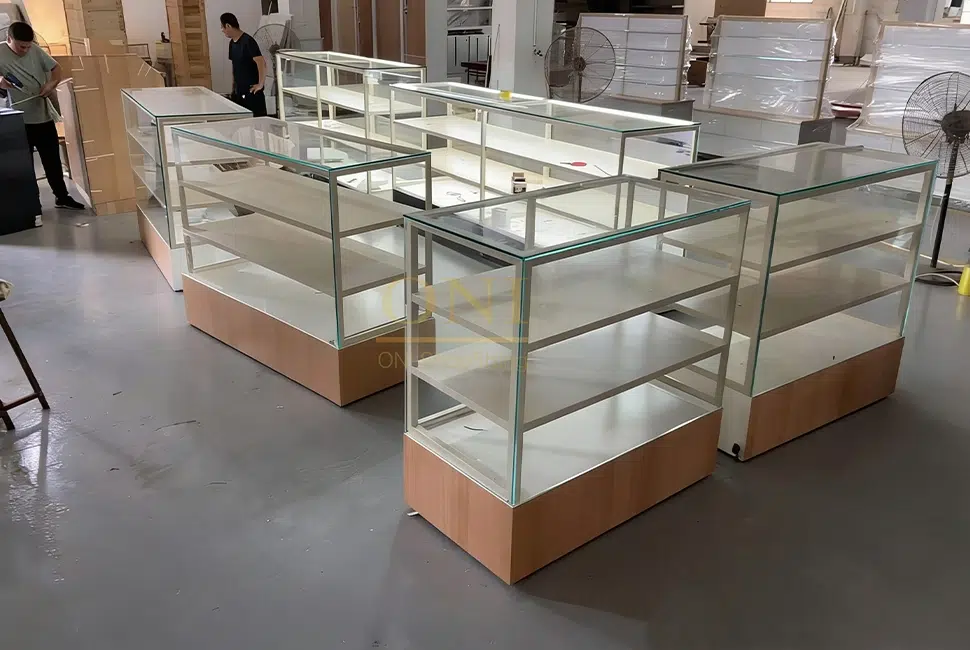
Pharmacy and health product kiosks are commonly used for supplements, personal care products, skincare, wellness items, medical devices, OTC product promotions, and health consultation campaigns. They are suitable for pharmacies, shopping malls, supermarkets, healthcare events, and temporary promotional areas.
This type of kiosk should create a clean, organized, and trustworthy impression. Customers need to read product labels clearly, compare different items easily, and understand product categories quickly. White, light gray, wood-grain, or soft medical-style finishes are often suitable because they help create a professional and comfortable retail atmosphere.
A well-designed pharmacy kiosk can also support seasonal campaigns, such as cold and flu products, vitamins, wellness bundles, skincare promotions, or health check activities. The layout should highlight featured products, provide enough storage, keep the display easy to browse, and avoid a crowded appearance. With clear shelving, proper lighting, category signage, and practical counter space, pharmacy and health product kiosks can improve product visibility and support better customer service in a compact retail area.For broader fixture references, see custom pharmacy store fixtures.
Promotional and Pop-Up Kiosks
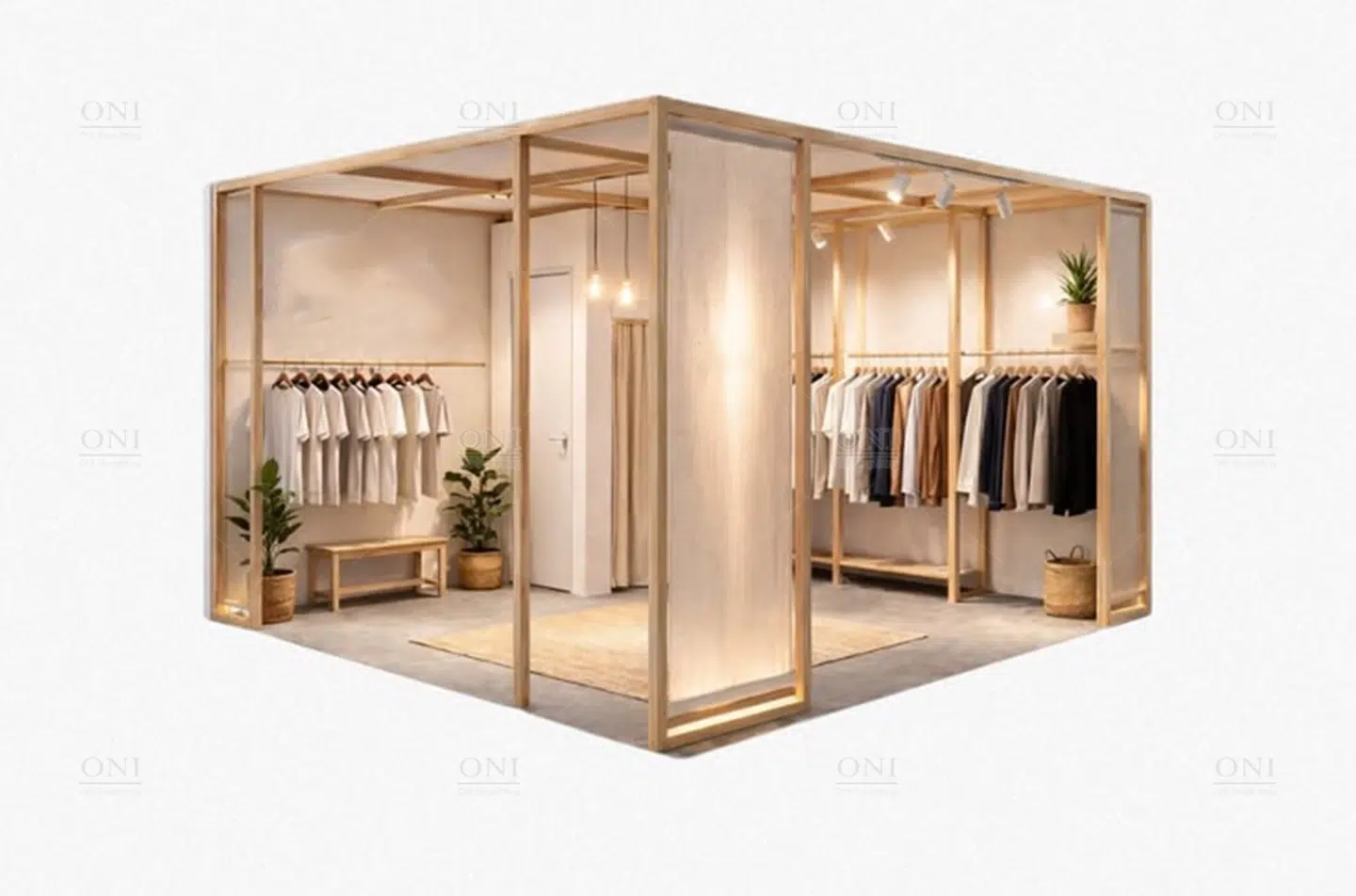
Promotional and pop-up kiosks are designed for short-term retail campaigns, seasonal sales, product launches, mall events, and temporary brand activations. Compared with permanent kiosks, they are usually more flexible, easier to move, and faster to install, making them suitable for brands that need quick market exposure or temporary selling space.
This type of kiosk often uses modular structures, lightweight panels, interchangeable graphics, temporary signage, display shelves, counters, lighting, and easy assembly systems. Brands can refresh the appearance for different campaigns, product themes, or holiday promotions without rebuilding the entire kiosk.
Although pop-up kiosks are temporary, they still need good design and stable construction. A weak or poorly finished kiosk can damage brand image, even if it is only used for a short campaign. You can explore more ideas on custom pop-up retail display solutions.
Self-Service and Digital Kiosks
Self-service and digital kiosks are designed to support ordering, payment, ticketing, product information, registration, queue management, and customer service. They are widely used in shopping malls, food courts, supermarkets, pharmacies, cinemas, airports, and other service-oriented retail spaces.
These kiosks often integrate touchscreens, payment terminals, printers, scanners, speakers, cameras, LED indicators, ventilation systems, and organized cable management. The design must protect internal electronic components while keeping the interface simple, accessible, and convenient for customers to use.
Custom Kiosk Design and Manufacturing Considerations
A custom kiosk should be designed based on the product category, retail location, customer flow, staff operation, storage needs, brand image, security requirements, power access, and installation conditions. By considering these factors from the beginning, the kiosk can achieve a balance between visual appeal and daily retail functionality.
Important design details include counter height, product viewing angle, shelf depth, lighting position, signage visibility, drawer access, glass safety, cable routing, and customer interaction space. These details directly affect how customers browse products, how staff operate the kiosk, and how smoothly the kiosk performs in a real retail environment.
In manufacturing, a high-quality custom kiosk depends on suitable material selection, precise CAD drawings, metalwork, woodworking, glass processing, acrylic fabrication, surface finishing, reliable hardware, integrated lighting, quality inspection, export packaging, and logistics planning. Each step plays an important role in the kiosk’s final appearance, structural durability, installation efficiency, and long-term retail performance.
With 25 years of industry experience and a 30,000-square-meter manufacturing headquarters in Guangzhou, ONI Display supports custom kiosk projects from design development to production and delivery for global retailers, contractors, design firms, and shopfitting partners. For a wider view of store fixture capability, visit ONI Display custom retail fixtures.
How to Choose the Right Kiosk Type
The right kiosk type depends on product type, retail location, customer behavior, project duration, and operating requirements.
A jewelry brand may need secure glass showcases and premium lighting. A beverage brand may need service counters, equipment openings, and food-safe surfaces. A cosmetics brand may need tester zones and illuminated shelves. An electronics brand may need cable management and demo areas.
Location also matters. A high-traffic mall corridor may need a 360-degree kiosk, while an inline store area may need a front-facing counter. A temporary campaign may need modular construction, while a long-term retail location may need stronger materials and more durable finishes.
Retailers should also consider mall regulations, fire safety rules, power supply, water access, storage capacity, transport method, installation time, and maintenance needs before confirming a kiosk design.
Summary
Retail kiosks come in a wide variety of types, including those designed for general retail, food and beverage, cosmetics, jewelry, electronics, pharmacies, services, and promotional activities. These kiosks are designed to meet diverse needs—such as product display, customer interaction, storage, brand promotion, and daily operations—enabling brands to create visually striking sales spaces in shopping malls, retail stores, commercial districts, and temporary retail locations.
Frequently Asked Questions
What is the most common type of retail kiosk?
Mall kiosks are among the most common types because they work well in high-traffic shopping mall corridors, atriums, and open commercial areas.
Can retail kiosks be customized?
Yes. Retail kiosks can be customized in size, layout, material, lighting, storage, signage, security, color, branding, and installation method.
What should retailers consider before ordering a kiosk?
Retailers should consider product type, mall rules, customer flow, display needs, storage, security, utilities, materials, logistics, and installation requirements.