


In a pop-up store, every inch matters. With limited space, your layout plays a crucial role in maximizing sales, increasing brand visibility, and encouraging customers to stay longer.
To make the most of your space, start by defining clear business goals, then create a natural customer flow that guides visitors through the store. Highlight key products with a “power wall,” incorporate strategic touchpoints to encourage interaction, position the checkout in a low-traffic area to prevent congestion, and scale your fixtures to fit the space efficiently for a smooth and engaging shopping experience.
With the right layout, even a small pop-up store can become an engaging and high-performing retail environment. As specialists in display cabinets and retail design, we know that the difference between a crowded room and a high-converting space lies in the details. Here is how to maximize every inch of your pop-up.
What Is a Pop-Up Store Layout?
When people think of a pop-up store, they often focus on eye-catching elements such as exclusive or limited-edition products, unique and unconventional locations, and the buzz created through social media and marketing campaigns that generate excitement and urgency. However, the true foundation of a successful pop-up retail space lies in its layout.
A pop-up store layout refers to the strategic arrangement of merchandise, fixtures, walkways, and checkout areas within a temporary space. It shapes how customers move through the store, interact with products, and ultimately influences how easily they make a purchase.
1. Start With Clear Priorities
Before moving a single display table or installing a shelf, you need a strategy. A great layout always serves your broader business objectives. Start by answering these three critical questions:
- What’s our primary goal for this store? Are you trying to drive immediate sales, collect customer emails, or launch a highly anticipated new product?
- Who is our target audience? Do they want a fast, grab-and-go transaction, or are they looking for an immersive, highly curated lounge experience?
- What makes visitors stop instead of walk past? What is the visual hook that will draw them in from the street or the hallway?
When your priorities are clearly defined, your floor plan will naturally align with your ultimate commercial goals.
2. Master the Entrance Golden Zone
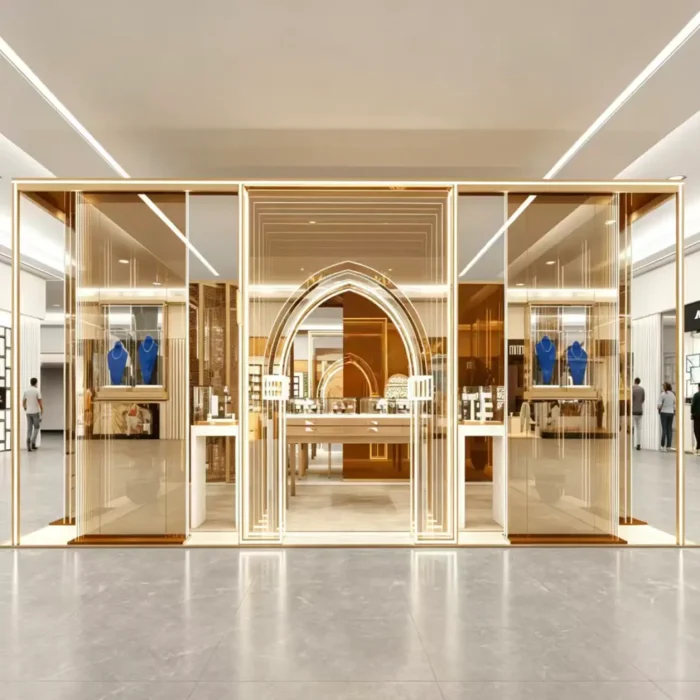
When customers step in from a busy mall corridor, street, or crowded public space, they need a few seconds to mentally transition from the outside world into your brand environment. That first 5–10 feet inside the entrance is known as the Decompression Zone.
Core Principle: Keep It Open, Clean, and Uncluttered. Best Practices:
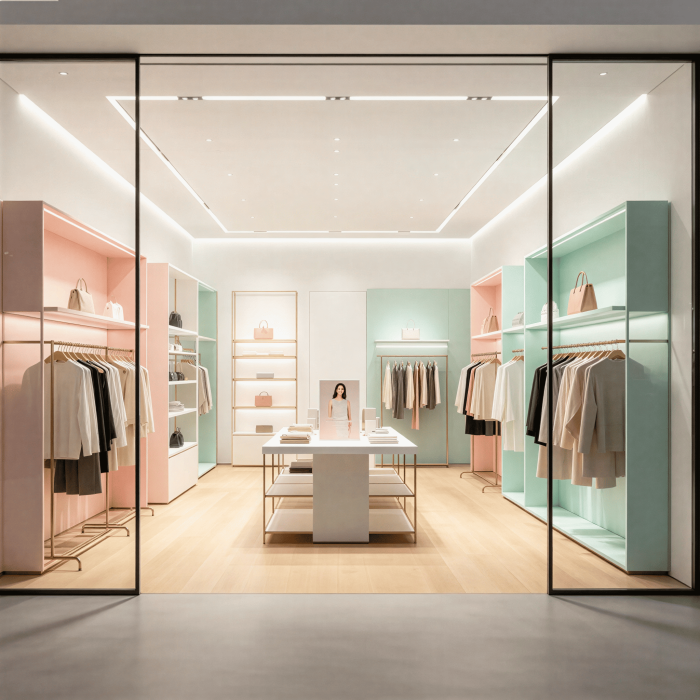
- Keep sightlines clear into the store
- Use low-profile, slim display fixtures
- Use lighting and brand visuals instead of cluttered merchandise piles
- Help shoppers understand what you sell within the first few seconds
3. Guide the Customer Journey with Smart Flow Design
Ideal Products for the Right Entrance Zone
- High-margin goods
- New arrivals
- Best-selling items
- Seasonal collections
- Brand feature displays
To create a seamless shopping experience, incorporate curved fixtures and display islands to form a smooth circular traffic flow that lets customers explore the entire store effortlessly. Thoughtfully arrange the overall layout to route shoppers past core display areas, which increases product interaction and effectively lifts sales conversion chances.
The core design principle is simple: prioritize showcasing your key merchandise first, then guide visitors through every corner of the store in a natural and unforced way.
4. Use Speed Bumps to Boost Customer Engagement
- Island display units
- Interactive product experience tables
- Promotional display bins
- Best-seller bulk display stacks
- Fragrance and material sampling zones
5. Think Vertically – Adopt the 3D Display Approach
Recommended Vertical Display Solutions
- Wall shelving systems
- Floating shelves
- Pegboard displays
- Modular wall cabinets
- Hanging display rails
- Multi-level tiered fixtures
- Stadium-style nested display tables
Styling Tip:Arrange displays and fixtures at varying heights to create rich visual layers and depth, making the whole store layout more attractive.
Key Benefits:
- Larger SKU display capacity
- Spacious and unobstructed walkways
- Enhanced visual hierarchy and appeal
- Elevated premium store ambiance
6. Use Modular Fixtures for Maximum Flexibility
Core Principle: Choose fixtures that are mobile, adaptable and lightweight, allowing the space to be rearranged anytime. One area can serve as a new product launch zone today and easily convert into an event space tomorrow.
Recommended Modular Fixtures
- Flat-pack display units
- Mobile shelving units
- Configurable display island tables
- Wheeled movable fixtures
- Foldable counters and display tables
Optimize with Hidden Storage: Small stores cannot afford to waste precious floor space on dedicated backrooms. Opt for counters and cabinets with built-in hidden storage to keep inventory, packaging and store supplies neatly concealed.
7. Where to Position the Checkout (Cash Wrap)
Avoid placing the checkout counter directly at the store entrance. The ideal spot is generally the back left area of the store or alongside the natural exit route. This layout prevents checkout queues from blocking customer browsing, and lets shoppers explore the full store before they reach the payment point.
8. Create a Social Landmark
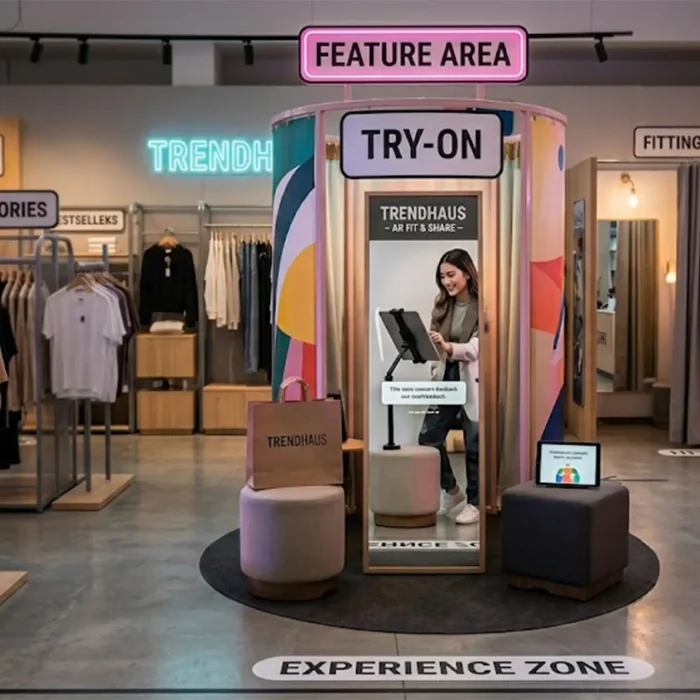
Every square foot of your pop-up store should serve a purpose. But you need to set aside one specific area that’s perfect for taking photos to share on social media. Choose one corner or a central display spot for a striking visual feature. You could use a backlit glass tower or a display with neon lights.
When a customer takes a photo of this spot and shares it online, your small 100-square-foot pop-up store can reach thousands of potential customers.
9. Adapting Your Layout to Different Space Sizes
Your layout strategy must scale seamlessly with your specific footprint.
- Small Spaces: Focus heavily on vertical merchandising. Utilize high wall shelves and keep the center floor relatively clear to avoid a claustrophobic feel.
- Medium Spaces: Introduce a clear loop layout with one or two central speed bumps to maximize product exposure.
- Large Spaces: If you are setting up in standalone buildings or larger pop up shops in malls, use distinct zones to create micro-experiences. Blend traditional shopping areas with interactive brand activations or lounge seating.
In Conclusion
At the end of the day, making the most of a tiny pop-up store space is like solving a puzzle. It’s all about smart walking paths and using the right display tools.
When your layout is easy to navigate and your display cabinets look professional, you don’t just sell more products—you make your brand look like a star. Even a small shop can make a huge impact when every inch is planned perfectly.
Planning Your Next Pop-Up Store Event?
We specialize in B2B commercial space design and high-end display case customization. Whether you need a highly creative space layout or flexible and durable display props, we can provide you with a one-stop solution. Contact us to get your customized pop-up store space optimization plan!
FAQ
1. What is a pop-up store?
A pop-up store is a temporary retail space that operates for a short period, ranging from a few days to several months. It is often used by brands to launch new products, test markets, or create unique, limited-time shopping experiences in high-traffic or unconventional locations.
2. What is the purpose of a pop-up?
The main purpose of a pop-up store is to create brand awareness and drive customer engagement in a short time. It allows businesses to:
- Test new products or markets with low long-term risk
- Generate buzz and urgency through limited-time availability
- Increase direct interaction with customers
- Boost sales and brand exposure in targeted locations
3. What are the disadvantages of pop-up stores?
While pop-up stores offer flexibility and marketing advantages, they also come with some challenges:
- Limited time frame may restrict long-term customer retention
- Setup and logistics can be costly for short-term use
- Space constraints can limit product display and inventory
- Uncertain foot traffic depending on location and timing
👉 Get in touch with us today to start your project.
🌐 Website: www.onidisplay.com | www.onishopfitting.com