


Aluminum vs. Stainless Steel for Custom Retail Fixtures
Compare material specifications, surface finishes, fabricationprocesses, performance and retall applications to choose thebest metalfor your project.
Stainless Steel vs. Aluminum for Custom Retail Fixtures
What Are Aluminum and Stainless Steel?
In the manufacturing of custom retail display fixtures, stainless steel and aluminum are two of the most widely used metallic materials. Aluminum is prized for being lightweight, corrosion-resistant, and compatible with versatile profile systems, while stainless steel offers high strength, exceptional durability, and a premium metallic aesthetic.
Understanding the differences between the two will help you select the most suitable material for your custom display cabinets, shelving systems, counters, and other retail fixtures.
Store Fixtures Materials Comparison: Aluminum VS Stainless Steel
Types of Aluminum Materials
- 6063 aluminum
- 6061 aluminum
- 5052 aluminum
- 3003 aluminum
- Aluminum sheets, tubes, etc.

Process Overview
Aluminum retail display components involve a series of precision manufacturing and assembly processes to achieve accurate dimensions, structural stability, and consistent finishes.
Profile Selection: Selecting standard or project-specific aluminum extrusion profiles based on the fixture design and structural requirements.
Precision Cutting: Cutting aluminum profiles and sheets to the required dimensions and specifications.
CNC Machining: Processing accurate holes, slots, grooves, and connection features to meet technical drawings.
Drilling & Connection: Preparing components for mechanical fastening, joining, and structural assembly.
Surface Finishing & Assembly: Applying specified surface treatments and finishes, followed by assembling the aluminum components into finished retail display fixtures.

Performance & Durability
Lightweight Structure: Reduces overall fixture weight while maintaining good structural strength.
Good Corrosion Resistance: Naturally resists oxidation and performs well in various retail environments.
Durable Surface Finish: Anodized or powder-coated finishes improve surface protection and appearance.
Easy to Process & Maintain: Supports precision machining and convenient daily cleaning.
Versatile Applications: Suitable for display frames, shelving systems, cabinet structures, and modular retail fixtures.

Common Surface Finishes for Custom Aluminum Store Fixtures
Aluminum store fixtures commonly use anodizing, powder coating, and other finishing methods to improve surface protection and achieve different decorative effects. These finishes can be selected according to fixture design, color requirements, and application environments.
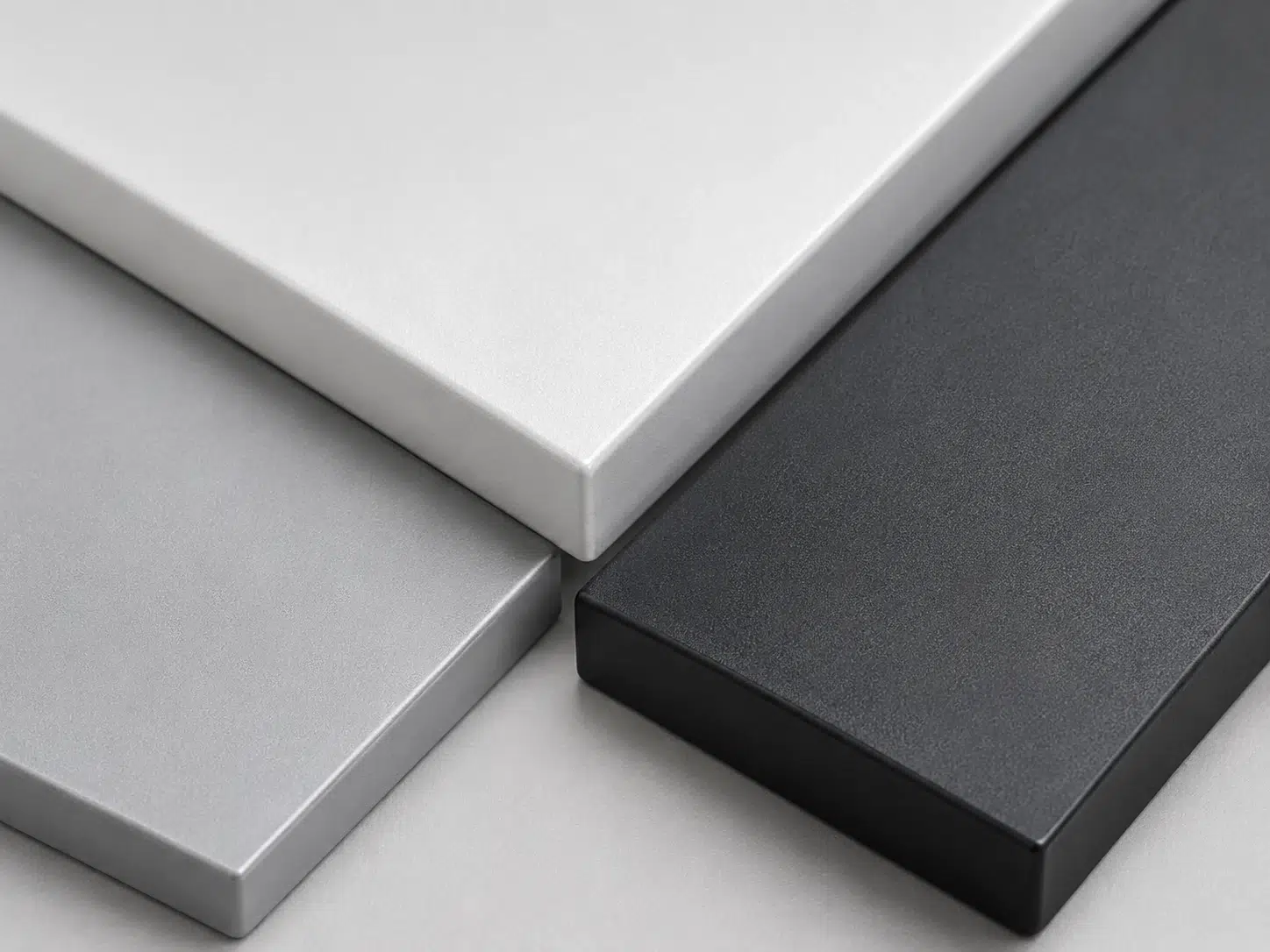
Anodized
Creates a protective oxide layer on the aluminum surface, offering corrosion resistance and a clean metallic appearance in different colors.
Powder-Coated
Applies a durable colored coating that provides a uniform finish with various color and texture options.
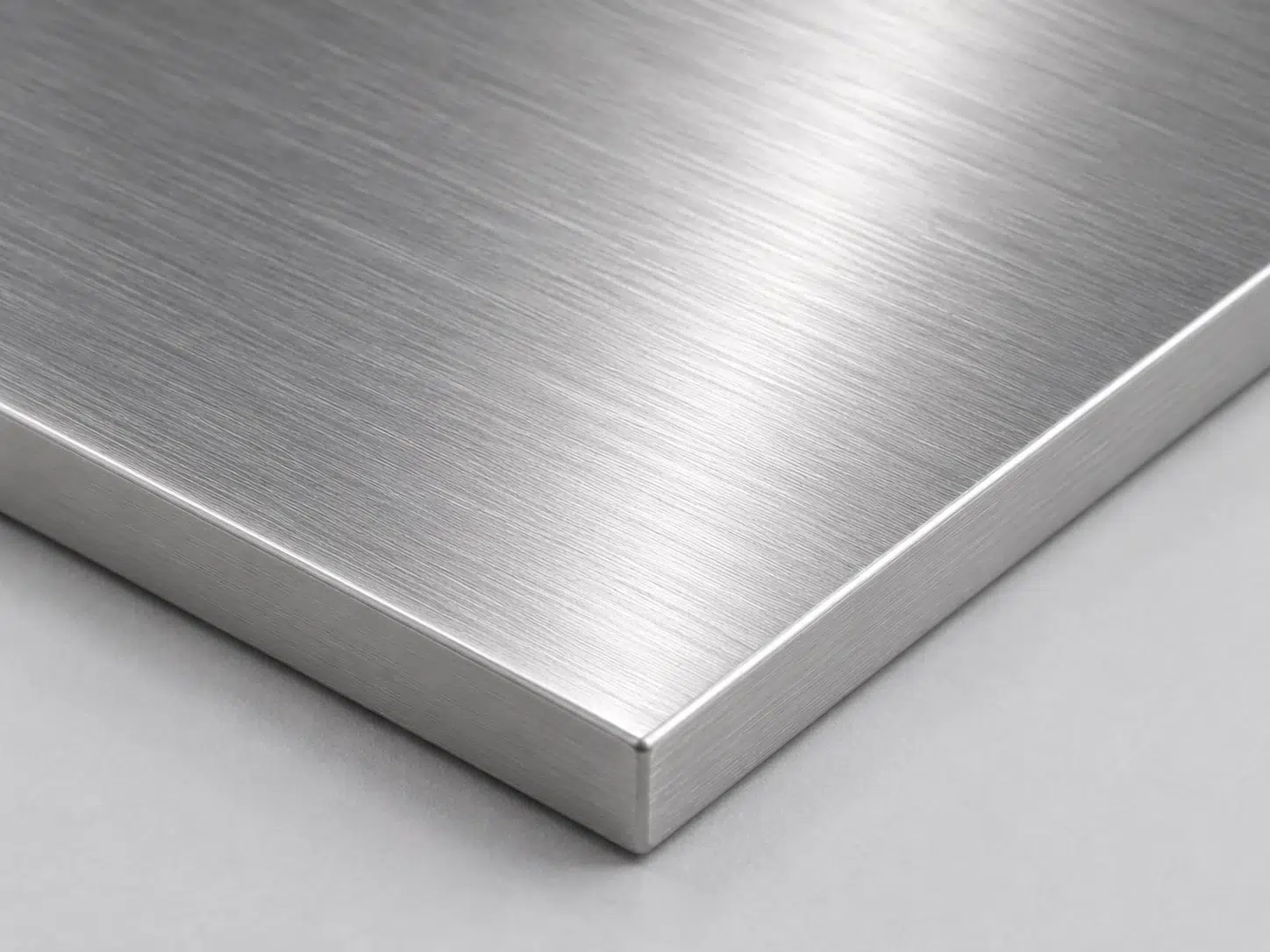
Brushed
Creates fine directional lines on the surface, giving aluminum components a subtle metallic texture.
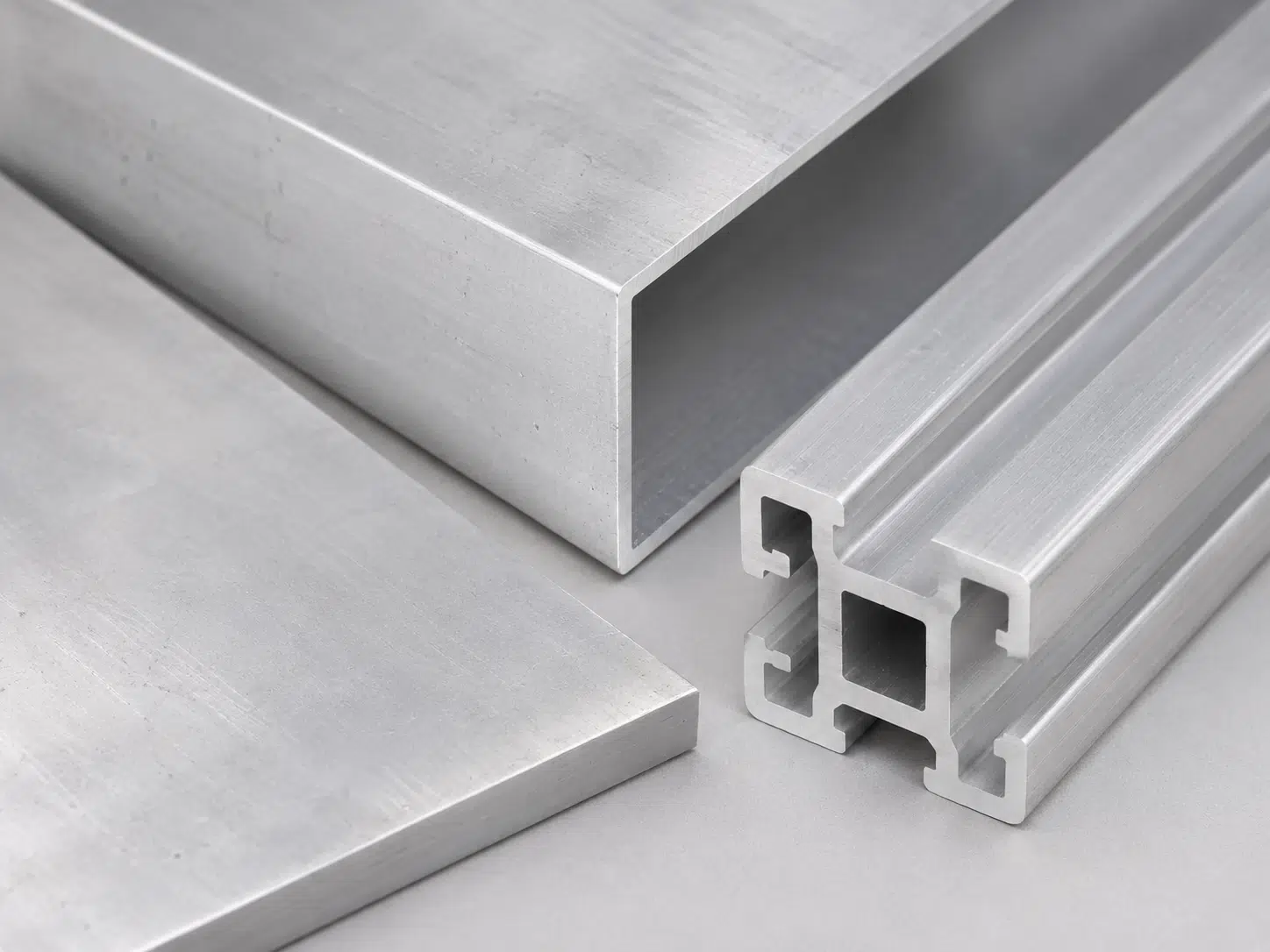
Mill-Finish
Retains the original surface from extrusion or rolling without additional decorative treatment, maintaining a natural aluminum appearance.
Recommended Applications of Aluminum in Custom Retail Fixtures
Aluminum is widely used in custom retail fixtures for its lightweight construction, good strength-to-weight ratio, and versatile fabrication options. Its extrusion profiles and customizable finishes make it suitable for modular display systems, structural frames, and functional retail components.
- Modular Aluminum Display Cabinets: Uses extruded aluminum profiles to create lightweight showcase frames, glass display cabinets, and configurable display structures.
- Aluminum Extrusion Shelving Systems: Provides profile-based uprights, horizontal rails, shelf supports, and adjustable connections for modular retail shelving.
- LED-Integrated Aluminum Profiles: Incorporates LED strips, diffuser covers, and wiring channels into display frames, shelves, and illuminated cabinets.
- Freestanding Aluminum Display Stands: Creates lightweight frames and supports for product display stands, promotional units, and portable retail displays.
Wall-Mounted Aluminum Display Systems: Uses aluminum rails, mounting profiles, and adjustable brackets to build flexible wall display and merchandising systems.
Aluminum Signage & Graphic Frames: Forms lightweight frames for illuminated signs, graphic panels, branded headers, and replaceable display graphics.
Aluminum Structural Frames & Trims: Provides support structures, connecting profiles, edge trims, and decorative components for custom retail counters and display furniture.


Types of Stainless Steel Materials
- Grade 201 stainless steel
- Grade 304 stainless steel
- Grade 316 stainless steel
- Grade 430 stainless steel
- Stainless steel sheets and plates, etc.

Process Overview
Stainless steel retail fixture components undergo several precision fabrication processes to achieve structural strength, dimensional accuracy, and a refined surface finish.
Laser Cutting: Cutting stainless steel sheets according to approved drawings and project specifications.
Sheet Metal Bending: Forming flat sheets into panels, brackets, frames, and structural components.
Welding: Joining stainless steel parts to create strong frames and integrated structures.
Grinding & Polishing: Smoothing weld seams, refining edges, and achieving the specified surface finish.
Assembly: Integrating fabricated stainless steel components with glass, wood, acrylic, and other fixture materials to complete the retail display.

Performance & Durability
High Structural Strength: Provides strong support for display frames, counters, and shelving systems.
Excellent Corrosion Resistance: Resists moisture, oxidation, and everyday wear.
Durable Surface Finish: Maintains its appearance under regular retail use.
Easy to Clean & Maintain: Features a smooth surface for convenient daily cleaning.
Long-Term Durability: Delivers reliable performance in high-traffic commercial environments.

Common Surface Finishes for Custom Stainless Steel Store Fixtures
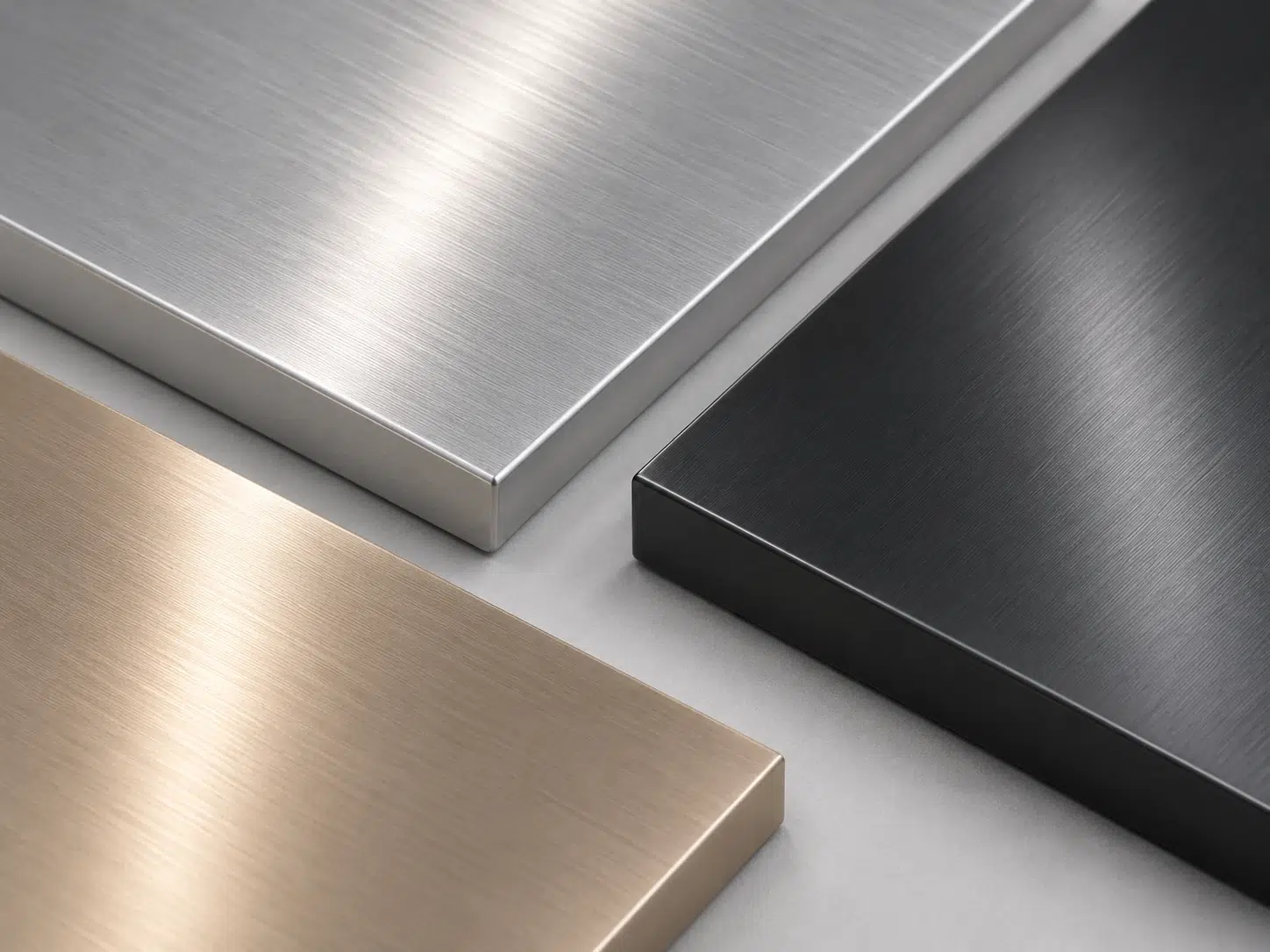
Stainless steel store fixtures commonly feature brushed, polished, and coated finishes to achieve different visual effects and surface characteristics. These options range from understated metallic textures to reflective and decorative finishes for retail displays.
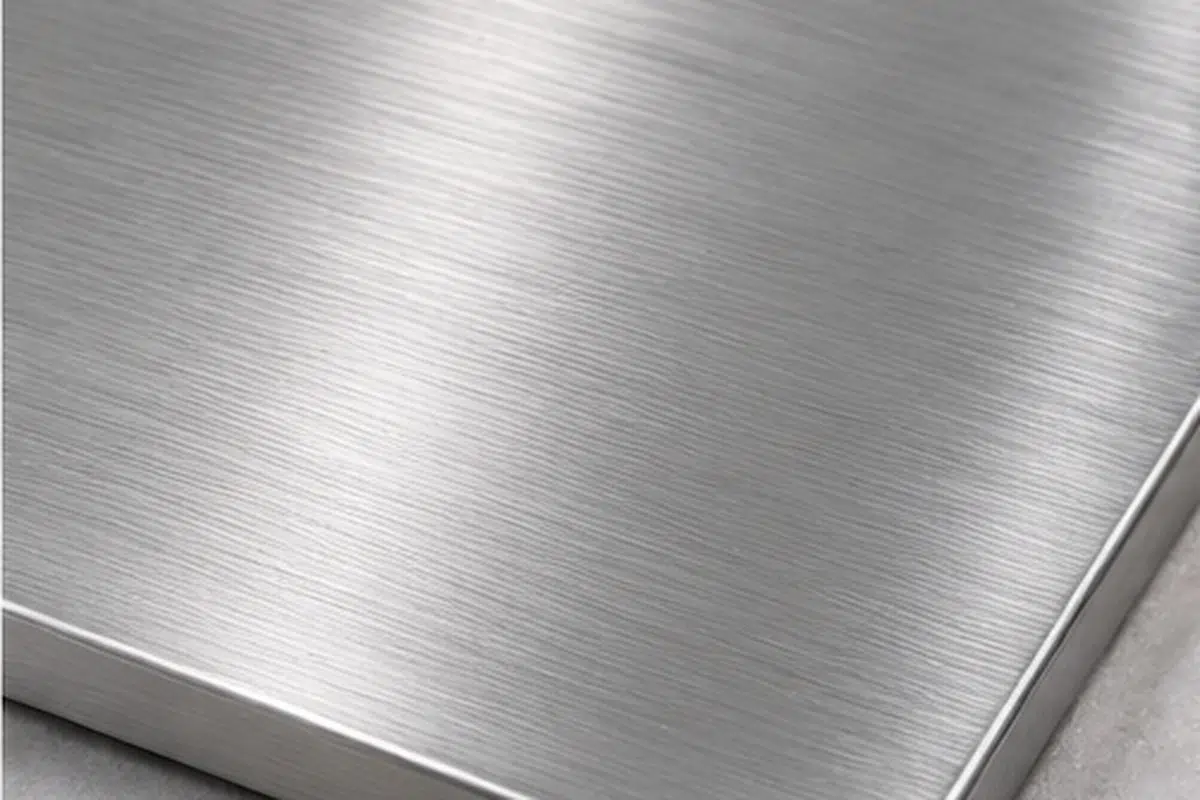
Brushed
Features fine directional grain lines that create a refined metallic appearance and help reduce the visibility of fingerprints.
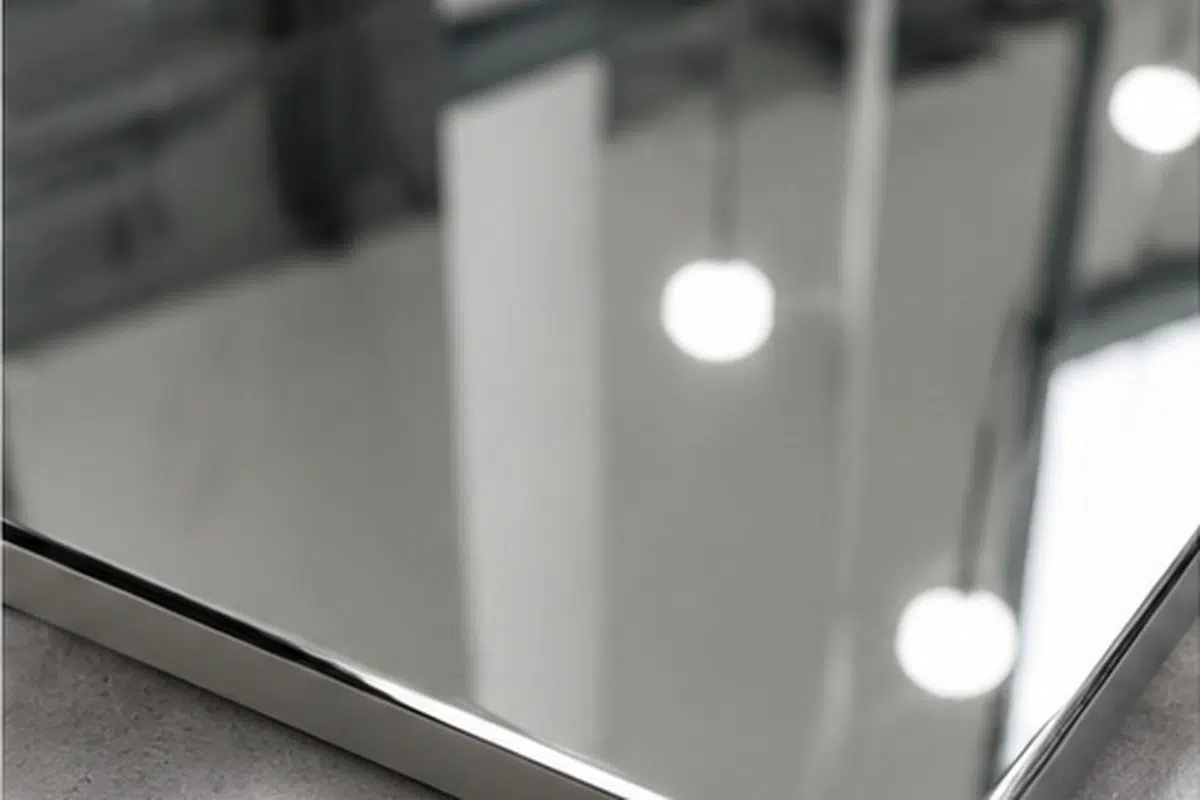
Mirror-Polished
Provides a highly reflective surface with a smooth, glossy appearance for decorative retail fixture components.
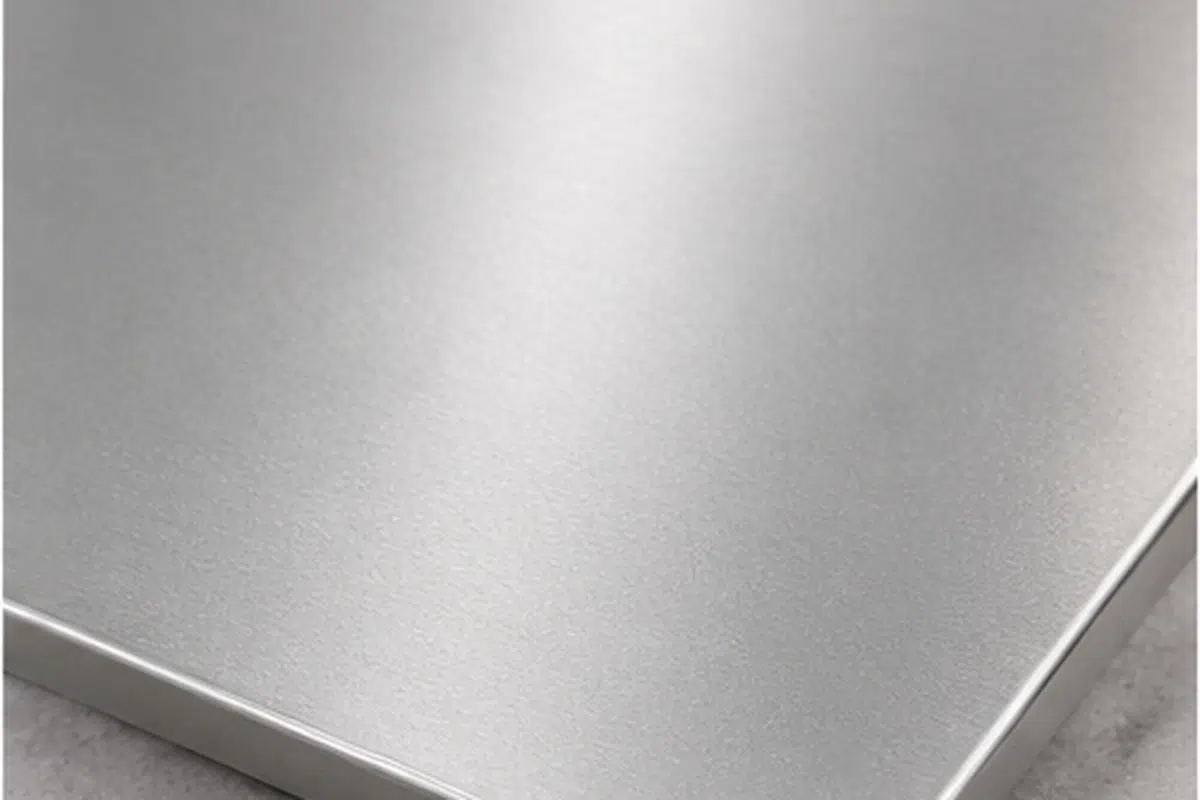
Satin-Finish
Offers a smooth, low-gloss surface with a softer appearance and reduced reflectivity.
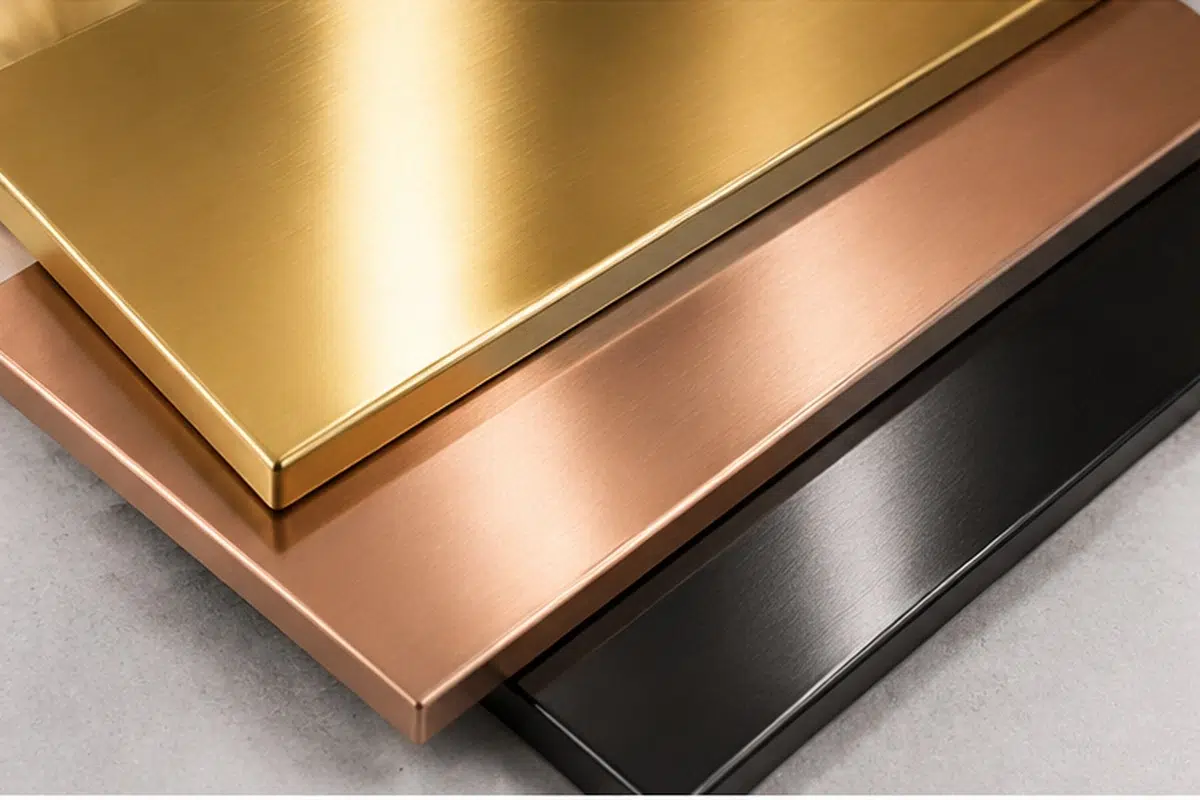
PVD-Coated
Uses Physical Vapor Deposition to create decorative colors such as gold, rose gold, and black while maintaining the metallic surface texture.
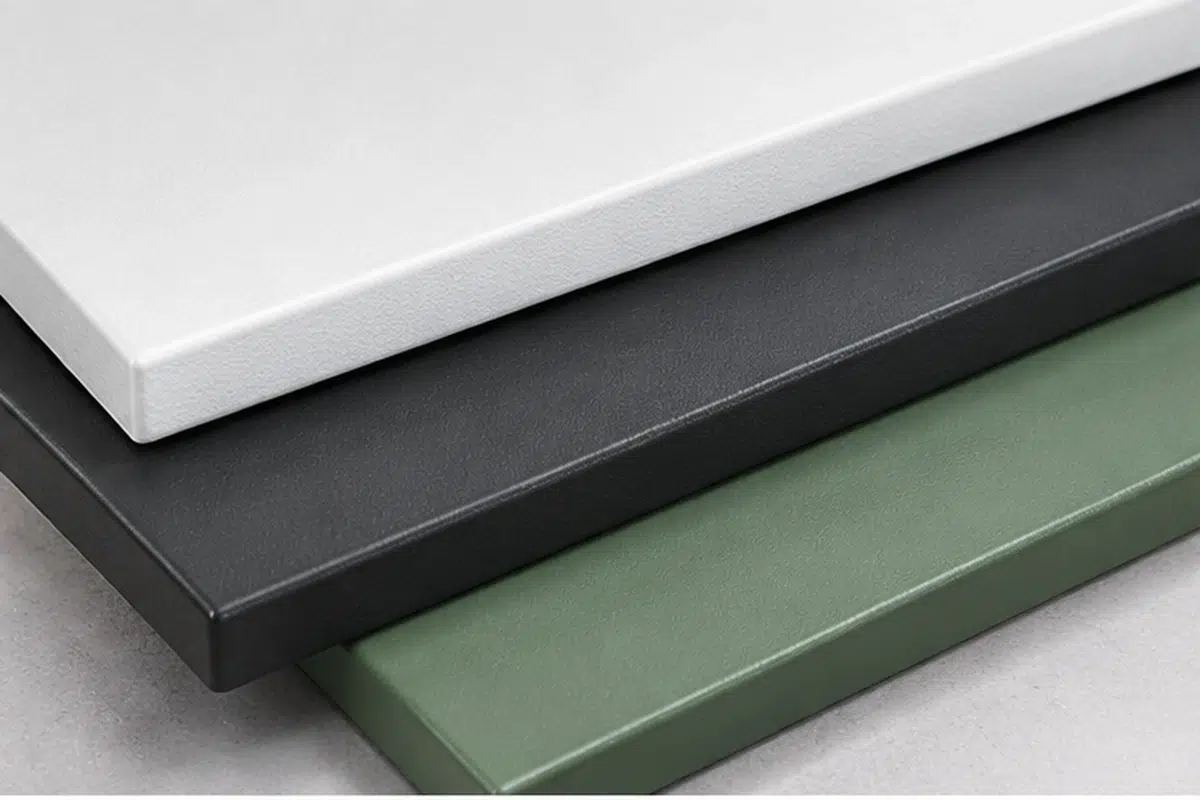
Powder-Coated
Adds a colored protective coating with different finishes, providing more flexibility in matching retail brand colors and interior designs.
Recommended Applications of Stainless Steel in Custom Retail Fixtures
Stainless steel is widely used in retail fixtures for its strength, corrosion resistance, and refined metallic finish. It can be applied to both structural components and decorative elements across different retail environments.
- Display Cabinet Frames: Provides strong and stable structural support for glass display cabinets and showcases.
- Boutique Display Fixtures: Forms clean, elegant frames and decorative trim for carefully curated boutique retail displays.
- Retail Counters & Desks: Used for counter structures, work surfaces, edges, and decorative details.
- Decorative Metal Panels: Adds modern metallic finishes to cabinet fronts, wall panels, and display surfaces.
Retail Shelving Systems: Supports shelf brackets, frames, and structural components for commercial displays.
Checkout Counters & POS Units: Provides durable metal components for checkout stations and point-of-sale furniture.
- Display Bases & Plinths: Creates stable bases and metallic accents for freestanding product displays.


Quick Comparison of Aluminum vs. Stainless Steel for Custom Store Fixtures
| Features | Aluminum | Stainless Steel |
|---|---|---|
| Common Grades | 6063 6061 5052 3003 Etc. | 201 304 316 430 Etc. |
| Weight | Lightweight, helping reduce overall fixture weight while maintaining good structural strength. | Heavier and denser, providing solid construction for rigid frames and heavy-duty fixture components. |
| Strength & Rigidity | Offers a good strength-to-weight ratio, particularly for extrusion profiles, modular frames, and lightweight display structures. | Provides high strength and rigidity, making it suitable for load-bearing structures, metal frames, and durable retail components. |
| Corrosion Resistance | Naturally forms a protective oxide layer. Anodizing and powder coating can provide additional surface protection. | Corrosion resistance varies by grade. Grade 304 offers good general resistance, while Grade 316 provides enhanced protection in more demanding environments. |
| Surface Finishes |
Anodized
Powder Coated
Brushed
Mill Finish
|
Brushed
Mirror Polished
Satin Finish
PVD Coated
Powder Coated
|
| Process Overview |
|
|
| Structural Features | Extruded profiles, modular connections, lightweight frames, and flexible structural designs. | Fabricated sheet metal structures, welded frames, solid panels, and durable metal components. |
| Machinability & Fabrication | Supports extrusion, precision cutting, CNC machining, drilling, and mechanical assembly with efficient fabrication for profile-based systems. | Supports laser cutting, bending, welding, and polishing. Requires appropriate equipment and finishing processes for precise fabrication. |
| Cost Considerations | Often cost-effective for lightweight profile-based structures. Costs depend on alloy, profile complexity, surface treatment, and fabrication requirements. | Costs vary by grade, material thickness, surface finish, and fabrication complexity. Higher-grade materials and polishing can increase costs. |
| Performance & Durability | Lightweight, corrosion-resistant, and easy to process. Anodized or powder-coated finishes improve surface protection and long-term appearance. | High structural strength, good corrosion resistance depending on grade, and durable surface performance for demanding retail applications. |
| Recommended Applications |
Display Cabinet Frames
Modular Display Systems
Wall-Mounted Shelving
LED Display Frames
Freestanding Racks
Retail Kiosks
Retail Counters
|
Display Cabinet Frames
Jewelry & Watch Showcases
Retail Counters & Desks
Decorative Metal Panels
Retail Shelving Systems
Checkout & POS Units
Display Bases & Plinths
|
About This Comparison
- Aluminum is suitable for lightweight retail fixtures, modular profile systems, LED frames, and flexible display structures.
- Stainless steel is suitable for applications requiring higher structural rigidity, durable metal components, and refined metallic finishes.
- The choice between aluminum and stainless steel depends on load requirements, installation environment, design specifications, surface finishes, and project budget.
Combining Metal with Other Materials

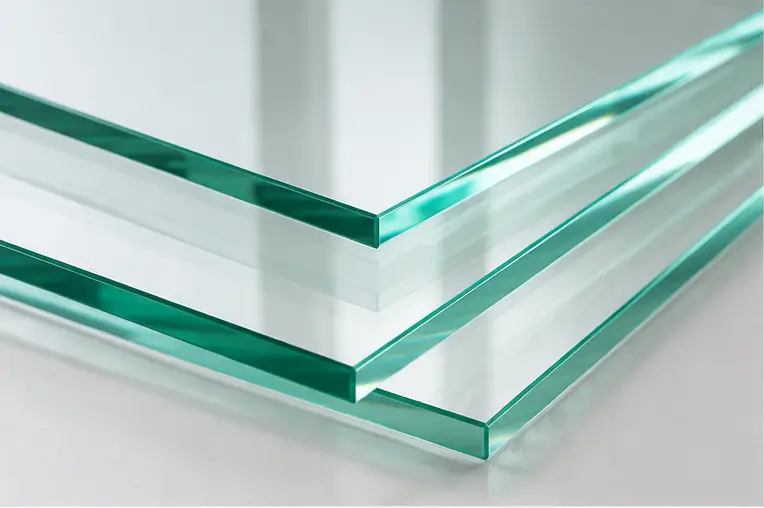
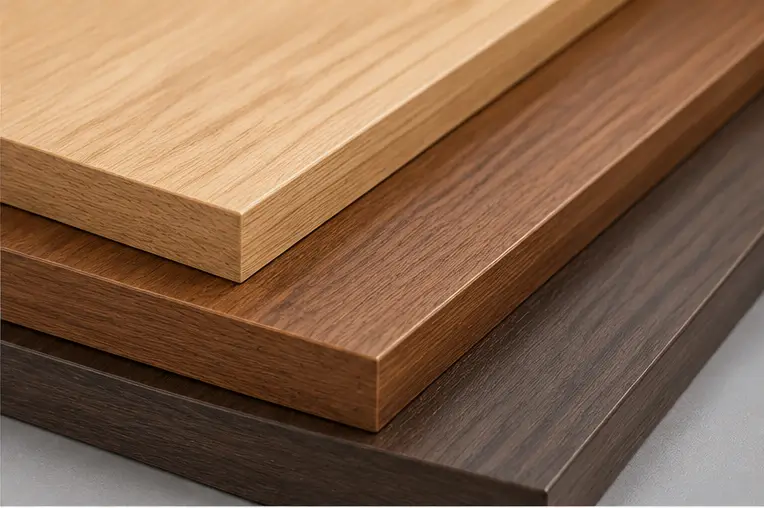
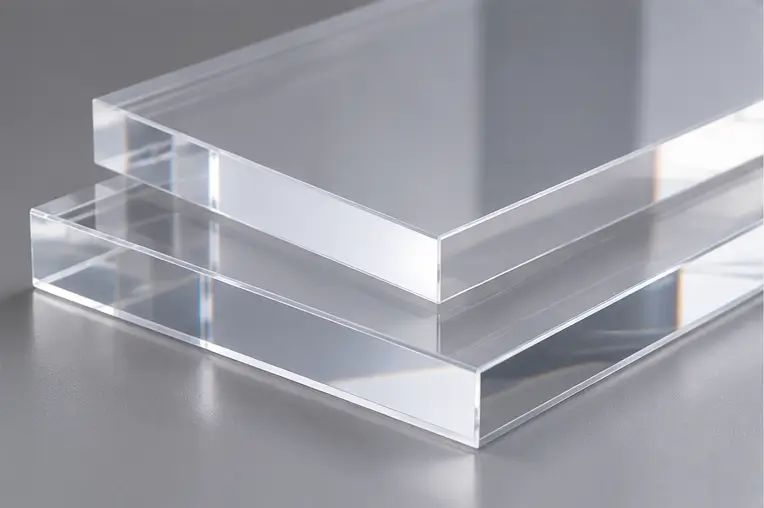
Stainless steel and aluminum can be combined with glass, wood, acrylic, and integrated LED lighting to create custom retail fixtures with coordinated finishes, practical functionality, and distinctive visual appeal. ONI Display develops tailored material combinations to meet your design specifications and project requirements.
Glass
Wood
Acryilc
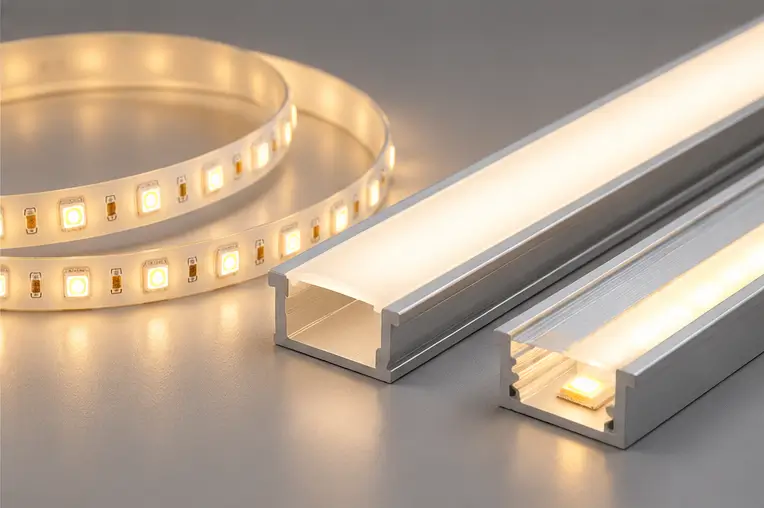
LED Lighting
How to Choose the Right Material for Your Retail Project
Choose Stainless Steel When:
The fixture requires rigid metal structures and substantial support.
A brushed, polished, or decorative metallic appearance is required.
Metal panels, trims, and visible structural components are important to the design.
Choose Aluminum When:
Reducing fixture weight is an important requirement.
The design involves modular shelving or profile-based structures.
Integrated LED channels and flexible assembly are required.
Consider Combining Both Materials When:
The project requires different structural, decorative, and functional properties within one retail display system. Combining stainless steel, aluminum, glass, wood, and acrylic can help achieve the required appearance and construction.

Frequently Asked Questions
Which is stronger for custom retail fixtures, stainless steel or aluminum?
Stainless steel generally offers higher strength and rigidity in many comparable fabricated components. However, aluminum can also provide sufficient structural performance when the profile geometry, wall thickness, and connections are properly designed.
Is aluminum suitable for custom display cabinets?
Yes. Aluminum is suitable for display cabinet frames, glass mounting profiles, decorative trims, and integrated lighting structures.
Can stainless steel and aluminum be used together?
Yes. They can be combined in custom retail fixtures. Appropriate connections and electrical isolation between dissimilar metals may be necessary in certain environments.
Which material is more cost-effective?
There is no universal cost difference. Material grade, alloy, dimensions, finishing requirements, fabrication complexity, and order quantity all influence the final manufacturing cost.
Can both materials be customized for different retail industries?
Yes. Both materials can be incorporated into custom fixtures for jewelry, cosmetics, perfume, optical, fashion, electronics, and other retail environments.
Exploring Ideal Materials for Custom Display Cfixtures
Explore a range of materials, finishes, and fabrication options for custom retail fixtures. Contact ONI Display for expert guidance on selecting the right materials to meet your design, functional, and project requirements.