For global retailers, interior designers, contractors, and shopfitting companies, sourcing custom store fixtures from China remains an effective way to create high-quality retail environments while maintaining competitive project budgets. China’s mature manufacturing ecosystem supports a wide range of solutions, including custom display cabinets, retail fixtures, shelving systems, checkout counters, commercial furniture, and complete shopfitting projects.
However, product pricing is only one part of the total project cost. Overseas buyers also need to consider ocean freight rates, packaging, customs clearance, local transportation, production lead times, and installation schedules. When China sea freight rates increase, projects that appear financially stable during the quotation stage may face unexpected cost increases and potential delivery delays.
China sea freight rates often rise during peak seasons due to increased global demand, limited container availability, and shipping capacity pressure. For importers planning store fixture projects in 2026, especially between August and December, understanding freight trends and preparing orders in advance can help control budgets, reduce supply chain risks, and ensure smoother project delivery.
Why China Shipping Costs Matter for Custom Store Fixtures Projects
Custom store fixtures are not always shipped like small standard products. A complete fixture order may include large cabinets, fragile glass panels, LED lighting components, metal frames, wooden displays, acrylic signage, hardware, and installation accessories. These products require protective packaging, careful loading, and coordinated transportation.
Because fixtures are often connected to store opening dates, shipping delays can affect more than logistics. A late shipment may delay site installation, postpone merchandising, increase local labor costs, or put pressure on a retail launch calendar. For chain store rollouts, even a small increase in freight cost can become significant when multiplied across many stores.
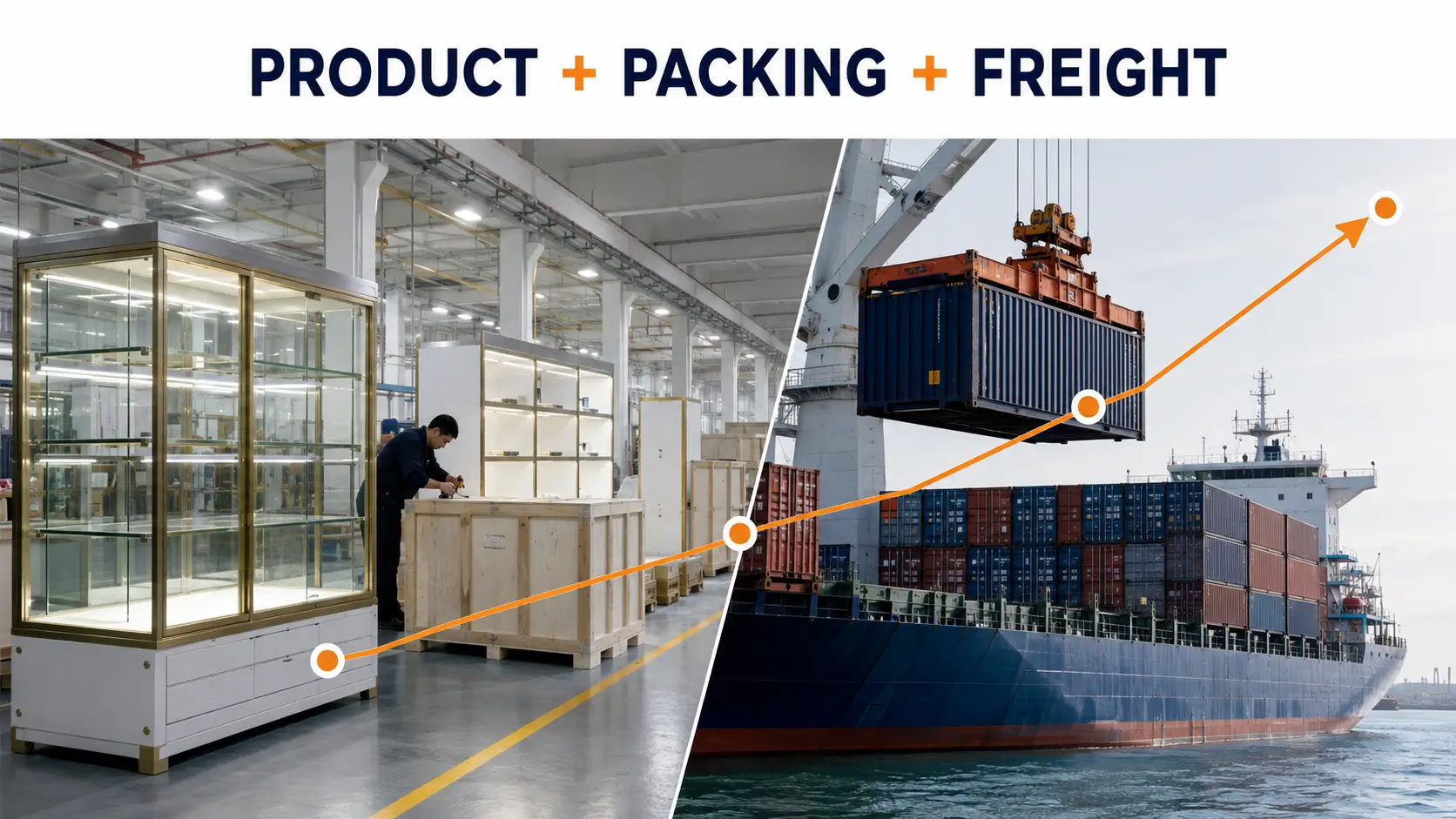
This is why experienced buyers evaluate both manufacturing cost and landed cost. Landed cost includes the product, packaging, freight, duties, destination charges, local delivery, and sometimes installation-related expenses. Sea freight is only one line item, but it can influence the total project budget in a meaningful way.
Why China Sea Freight Rates May Increase in 2026
Sea freight prices change according to supply and demand. No supplier can fully control global shipping rates, but buyers can understand the main reasons behind peak-season increases and plan around them.
For procurement teams, it is helpful to track market benchmarks such as the Drewry World Container Index and the Freightos Baltic Index before confirming shipment timing, because these indexes can show whether container freight pressure is rising or easing on major trade lanes.
1. Global Retail Demand Creates Peak Season Shipping Pressure
The second half of the year is usually one of the busiest periods for international trade. Global retailers begin preparing for:
- Christmas sales campaigns;
- Black Friday promotions;
- New store openings;
- Seasonal inventory;
- Next year’s expansion plans.
During this period, retail brands increase purchasing volumes from China to ensure products arrive before important sales seasons. For store fixture buyers, this demand may involve retail display cabinets, wall display systems, checkout counters, shelving systems, brand counters, and customized retail furniture. When more importers compete for the same container and vessel space, freight rates may rise and booking becomes more competitive.
2. China’s National Day Holiday Adds Schedule Pressure
China’s National Day holiday is from October 1 to October 7. Before this holiday, many manufacturers, exporters, and logistics companies try to complete shipments earlier to avoid slower operations during the break. This creates a busy pre-holiday export window, especially in September.
Buyers planning around China’s public holiday calendar should pay close attention to the National Day holiday period, because production, trucking, documentation, and export booking schedules can become compressed before factories and logistics providers slow down.
For custom store fixture projects, this period is important because production, inspection, packaging, trucking, and port booking must be coordinated together. If a project is confirmed too late, the buyer may face higher trucking costs, tighter container availability, longer booking times, and greater risk of missing the preferred sailing schedule.
3. Limited Container Capacity and Port Congestion Can Increase Costs
Sea freight pricing is affected by container availability, vessel capacity, port operations, and carrier schedules. During peak periods, containers may become harder to secure and sailing space may sell out earlier. If ports are busy, loading schedules can become less predictable.
For companies importing retail display fixtures and shopfitting solutions, these uncertainties affect both cost and timing. A project may be ready at the factory but still need extra time to secure a vessel booking, arrange trucking, complete documentation, and move through port handling.
4. Routing Changes and Surcharges Can Affect Final Freight Quotes
International freight quotes may also change because of fuel adjustments, route changes, destination port conditions, peak season surcharges, and carrier policy updates. This is why early freight estimates should not be treated as fixed final costs unless a booking is confirmed.
When comparing supplier quotations, importers should also clarify Incoterms rules at the beginning of the negotiation, since EXW, FOB, CIF, and DDP can place different cost and risk responsibilities on the buyer and seller.
For large retail projects, procurement teams should ask suppliers or freight partners to refresh freight estimates before final shipment. This helps avoid a gap between the initial project quotation and the final landed cost.
How Rising Sea Freight Affects Custom Store Fixtures Costs
Rising freight costs influence different stages of a retail fixture project. The impact is not limited to transportation alone; it can affect purchasing decisions, production planning, cash flow, and store opening schedules.
| Project Area | Possible Impact | Buyer Action |
|---|---|---|
| Project budget | Higher ocean freight can increase total landed cost. | Include a freight buffer and update shipping estimates before production completion. |
| Production schedule | Late confirmation may miss peak-season shipping windows. | Approve drawings, samples, and materials earlier. |
| Installation timeline | Delayed delivery may affect store opening or renovation schedules. | Add delivery buffer time and coordinate with local installation teams. |
| Packaging plan | Large or fragile fixtures may require stronger packaging and more container space. | Confirm packaging method and loading plan with the manufacturer. |
| Multi-store rollout | Freight changes can multiply across many shipments. | Plan phased production and consolidate shipments when possible. |
2026 China Export Peak Season Timeline
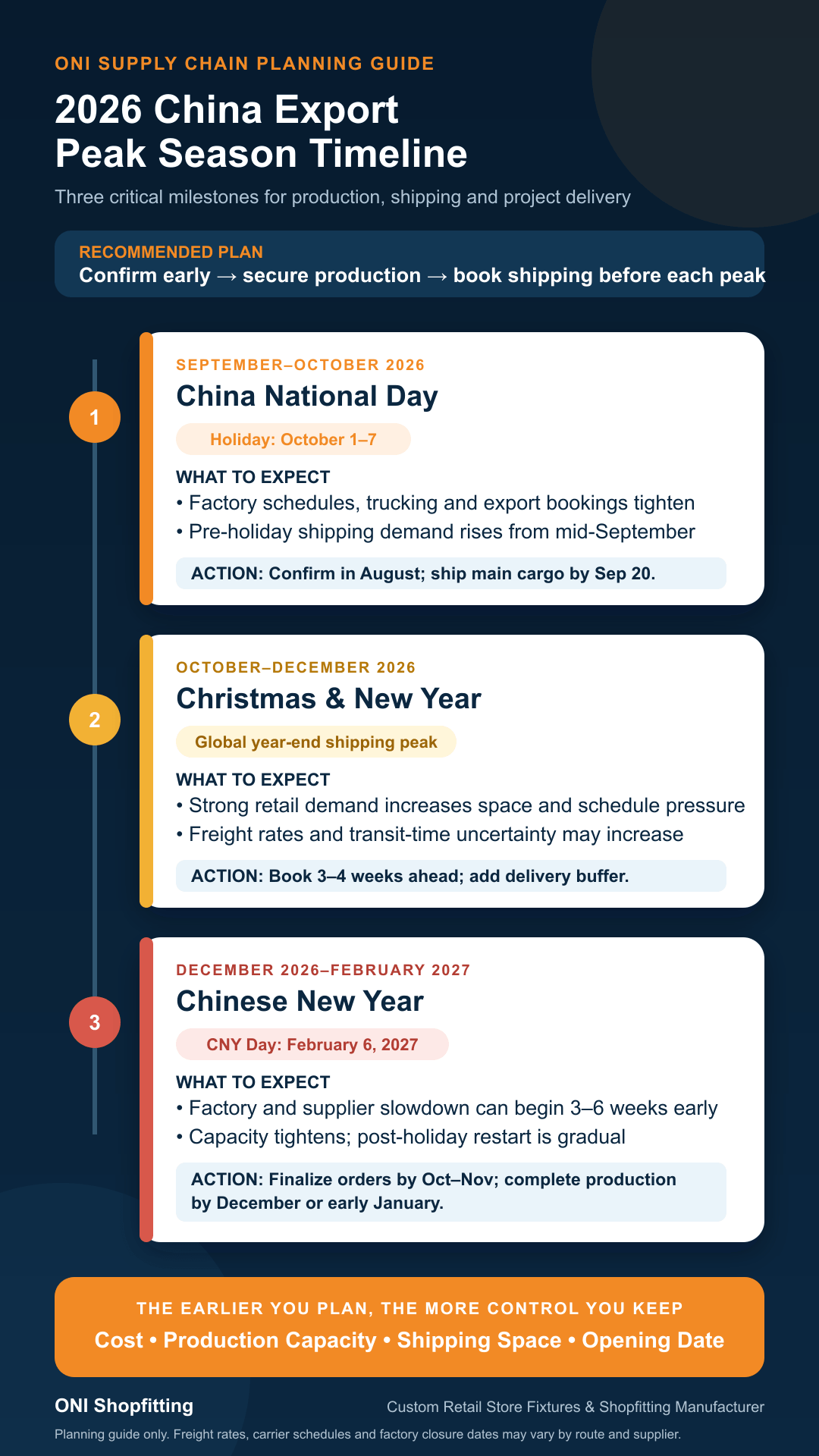
For companies importing store fixtures from China, timing plays a critical role in controlling custom store fixtures costs and ensuring successful project delivery. Shipping pressure is not only related to ocean freight prices but also involves factory capacity, trucking availability, export bookings, and production schedules, which can all influence final delivery timelines.
To help global retailers, contractors, and designers better prepare their 2026 projects, ONI Display highlights key supply chain milestones that buyers should consider when planning custom store fixtures orders. By understanding China’s export calendar and coordinating design approval, production, packaging, shipment booking, and installation schedules in advance, importers can improve cost control, reduce delays, and manage projects more efficiently.
How Importers Can Reduce Custom Store Fixtures Cost Risks
Market conditions cannot always be controlled, but importers can take practical steps to improve supply chain visibility and reduce potential disruptions.
1. Confirm Designs Before Peak Season
Late design changes are one of the most common reasons for production delays. Buyers should confirm dimensions, materials, colors, lighting details, hardware, installation requirements, and packaging needs before the factory enters peak-season production. Clear drawings and timely approvals help the manufacturer reserve capacity and organize materials earlier.
2. Separate Product Cost from Freight Cost
For better budget control, buyers should review product cost and shipping cost separately. This makes it easier to understand whether a price increase comes from materials, production complexity, packaging volume, freight rate movement, or destination charges.
3. Plan Container Loading and Packaging Early
Store fixtures are often bulky and sometimes fragile. Better packaging design can reduce damage risk, while better loading plans can improve container space usage. For glass cabinets, metal frames, acrylic displays, and painted wood fixtures, packaging should protect both appearance and structure during long-distance transportation.
4. Add Buffer Time for Multi-Store Rollouts
Multi-store projects require stronger schedule control. Buyers should avoid planning production, shipment, customs clearance, and installation with no buffer. A realistic buffer helps absorb freight delays, port congestion, or local delivery issues without affecting store opening dates.
5. Work With a Manufacturer That Understands Export Logistics
A reliable custom store fixtures manufacturer should support more than production. The supplier should understand packaging, export documentation, shipment coordination, store-by-store packing, and communication with freight forwarders. This reduces friction between the factory, shipping partner, contractor, and final installation team.
Choose ONI Display for Your Custom Store Fixtures Projects?
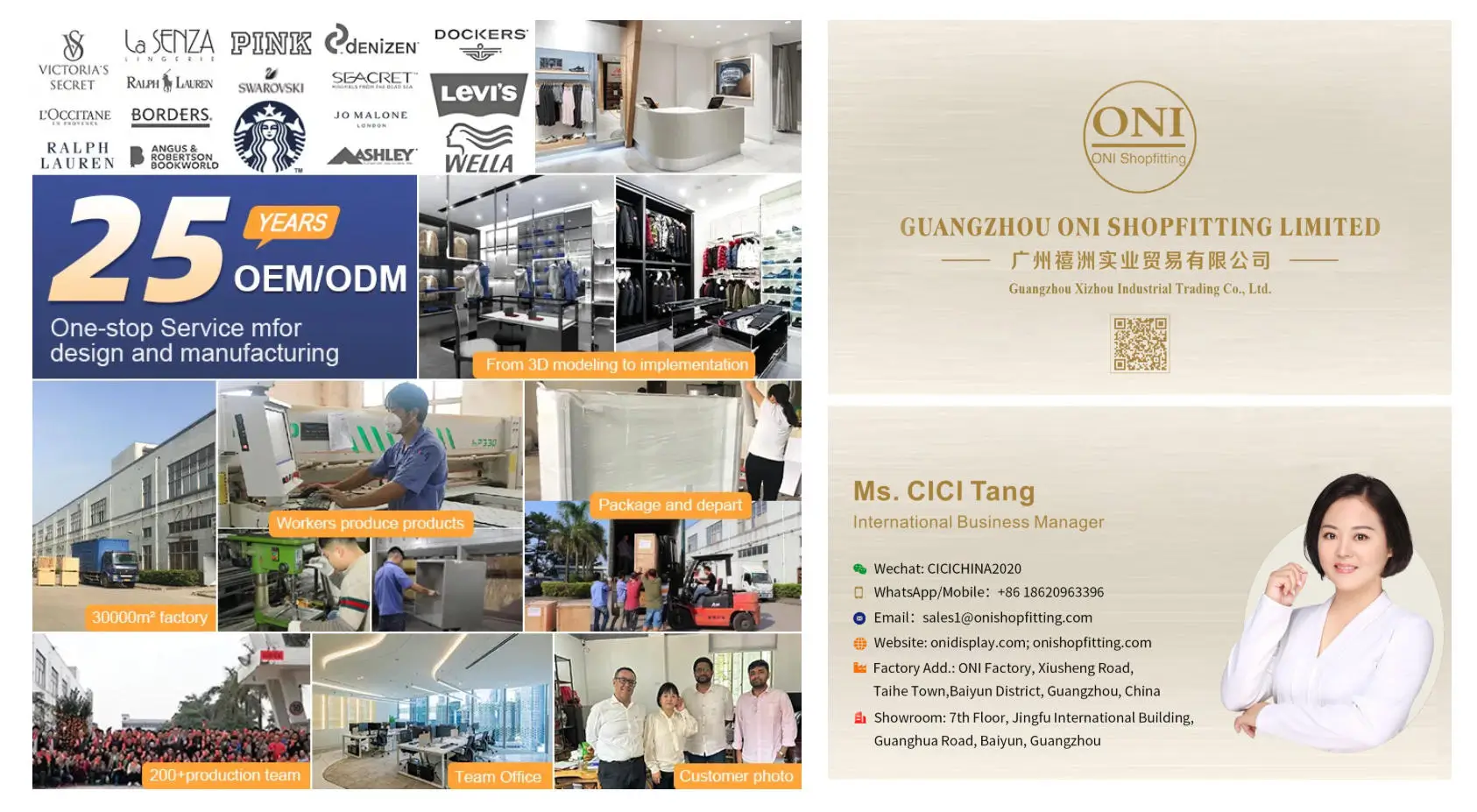
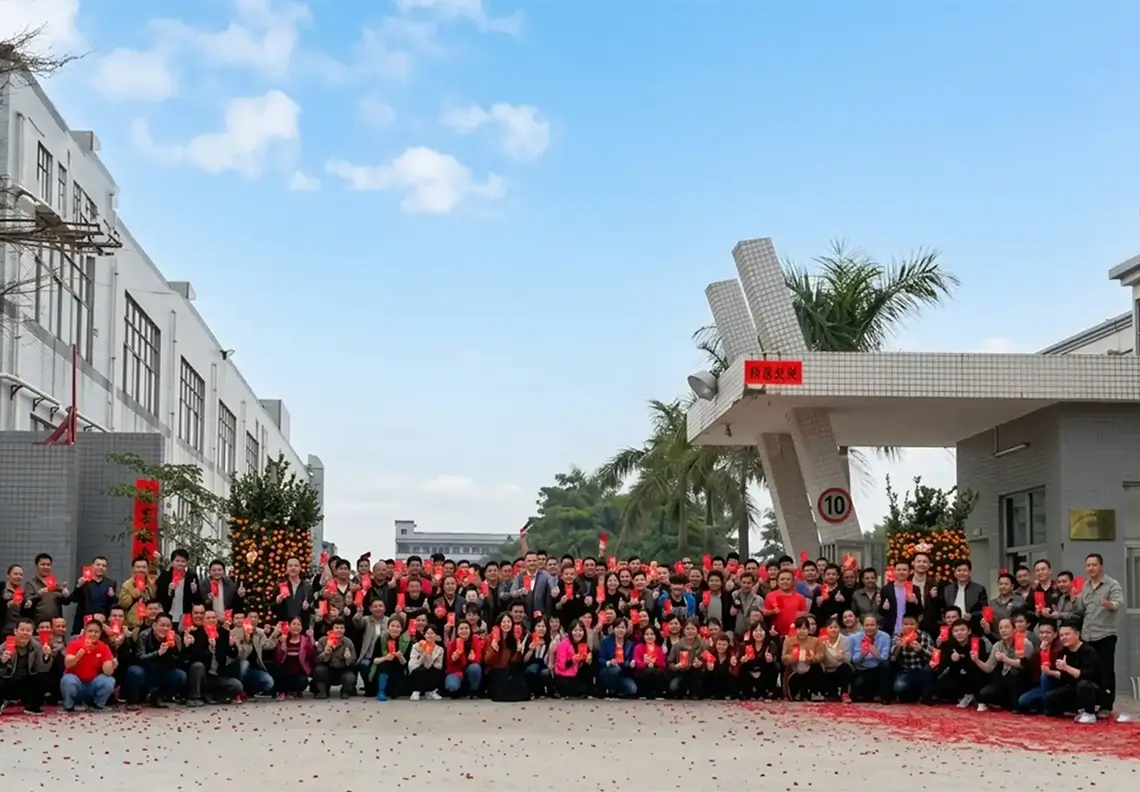
ONI Display is a global manufacturer and solution provider specializing in custom retail fixtures and turnkey shopfitting solutions. With 25 years of industry experience, ONI Display supports retailers, designers, contractors, project managers, and shopfitting partners across international retail projects.
The company’s 30,000-square-meter headquarters in Guangzhou, China integrates design, engineering, woodworking, metal fabrication, lighting, production, quality control, packaging, and global delivery. This integrated structure helps buyers coordinate fixture manufacturing and logistics planning in one workflow.
For companies importing store fixtures from China, ONI Display can support custom display cabinets, retail wall systems, checkout counters, shelving, commercial display furniture, and store-by-store packaging. The team helps buyers improve store presentation, control project costs, and maintain consistent quality across single-store projects and multi-location rollouts.
In Conclusion
China sea freight rates may increase during the 2026 peak season, especially when global retail demand, container availability, port pressure, and holiday schedules overlap. For businesses purchasing custom store fixtures, shipping costs should be planned together with production schedules, packaging requirements, and delivery timelines.
Although freight increases cannot always be avoided, buyers can reduce risk through earlier planning, clearer design confirmation, better packaging coordination, and cooperation with an experienced manufacturer. For global retail projects, successful sourcing depends not only on product quality but also on reliable project management and supply chain preparation.
Frequently Asked Questions About China Sea Freight Increase 2026
1. Why do China sea freight rates increase during peak season?
China sea freight rates often increase during peak seasons because global shipping demand rises, container availability becomes limited, and vessel capacity faces pressure. Holiday production schedules and port congestion can also make shipment booking more competitive.
2. How does rising sea freight affect custom store fixtures costs?
Rising freight rates increase custom store fixtures costs by adding higher transportation expenses to the total landed cost. They may also create delivery delays that affect installation schedules and store opening plans.
3. When should I order custom store fixtures from China in 2026?
For projects shipping from China in the second half of 2026, buyers should confirm designs and production plans as early as August or September. This helps secure manufacturing capacity and shipping space before peak-season pressure increases.
 Contact us today to start your custom display fixtures project.
 WhatsApp/Call: +86 186 2096 3396
 Email: sales1@onishopfitting.com
 Website: www.onidisplay.com
 Factory Location: Guangzhou, China
 Check out our social media case studies:Guangzhou ONI Shopfitting Limited