


A well-designed coffee kiosk can turn a busy mall walkway into a compact, profitable, and memorable customer experience. It helps brands attract passing customers, serve drinks quickly, and create a strong visual presence within limited commercial space.
A custom coffee kiosk is designed for beverage preparation, product display, ordering, payment, storage, and brand presentation. For shopping malls and high-traffic areas, the design should support fast service, smooth workflow, equipment integration, durable materials, hygiene, lighting, signage, and easy installation.
To make a coffee kiosk work in real commercial spaces, every detail should be planned carefully, from layout and counter height to machine placement, storage, lighting, and customer flow. In the following, we will look at the key design points that help create an efficient and attractive coffee kiosk.
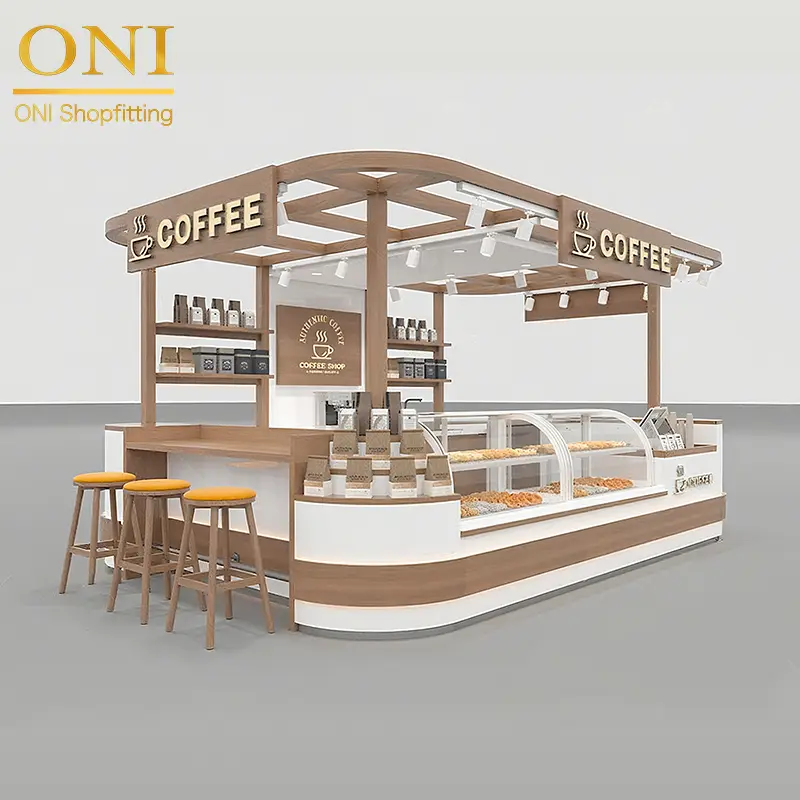
What Is a Custom Coffee Kiosk?
To understand coffee kiosk meaning, think of it as a compact commercial unit designed specifically for coffee, drinks, snacks, and grab-and-go service. It is commonly used in shopping malls, airports, office buildings, universities, train stations, exhibition centers, and commercial corridors.
Unlike a standard counter, a coffee kiosk must combine customer-facing sales, drink preparation, product display, storage, branding, and equipment installation within a limited footprint. Every detail matters because the kiosk must serve customers quickly while keeping the working area organized. A custom design allows the kiosk to match the brand identity, available floor space, mall rules, and operational process. For reference, ONI Display has several coffee-related kiosk examples, including this modern coffee kiosk design and small coffee kiosk design with wood panel layout.
Why Coffee Kiosk Design Important in High-Traffic Areas
Shopping malls and busy commercial spaces bring abundant customer flow and sales chances, yet they pose tough design challenges. Shoppers move rapidly, surrounded by countless competing stores, leaving coffee kiosks merely seconds to stand out and capture attention amid busy visual surroundings. Poorly designed stalls fail to leave a lasting impression and easily miss out on impulsive buyers.
Well-planned coffee kiosk layouts deliver a seamless shopping experience for every passerby. Clear functional zones distinctly separate ordering, waiting and pickup areas, while visible menu displays and product showcases make offerings easy to scan at a glance. Confusing, unsegmented layouts confuse hurried customers, who will simply walk away without placing orders instead of stopping to buy drinks.
Kiosk layout also directly decides operational efficiency for baristas, especially during peak hours. Disorganized workspaces create unnecessary movement, slow down drink preparation and lead to long queuing crowds. A streamlined, ergonomic coffee kiosk optimizes the whole service workflow, cutting waiting time, avoiding walkway congestion and allowing staff to process more orders to lift overall sales performance. For broader kiosk planning, see ONI Display’s custom retail kiosk design and manufacturing page.
Space Planning and Customer Flow
Space planning lays the core foundation of functional coffee kiosk design, directly governing customer experience and daily operation efficiency. Placed within busy shopping malls, the kiosk layout must avoid blocking pedestrian routes. It reserves smooth access for customers to reach counters, complete quick orders and queue without crowding public aisles, while fully complying with mall standards on aisle clearance, emergency passage and overall visibility. Independent zones for ordering, payment, drink preparation, pickup, display and storage are logically arranged to form a natural one-way flow, guiding shoppers seamlessly from ordering to beverage collection.
Design strategies vary by kiosk style. Freestanding island coffee kiosks prioritize 360-degree open visibility to attract foot traffic from all directions, while inline wall-mounted kiosks center visual appeal on the front side with prominent counters, luminous menu boards and branded logos to capture passing customers’ attention instantly.
Counter Layout and Staff Workflow
A coffee kiosk must support fast and smooth staff movement. Since the space is usually limited, the counter layout should follow the real service process, from ordering and drink preparation to payment and pickup.
Key work areas should be arranged according to how often they are used, including the espresso machine area, grinder area, drink preparation counter, sink position, ice storage, cup and ingredient storage, POS station, pickup counter, and cleaning area. Frequently used tools and supplies should be placed within easy reach to reduce unnecessary movement.
A good coffee kiosk design helps staff work faster, keeps the workspace clean, and improves service efficiency during busy hours. Clear counter planning can reduce waiting time, avoid workflow confusion, and create a better customer experience in high-traffic locations.
Coffee Equipment Integration
Coffee equipment must be planned before production begins because it directly affects the kiosk structure, counter layout, workflow, and installation requirements. A custom coffee kiosk may need to integrate an espresso machine, coffee grinder, blender, refrigerator, ice maker, water filter, sink, POS system, display warmer, pastry case, and storage cabinets.
Each piece of equipment has different requirements for size, power supply, ventilation, water access, drainage, heat control, and daily maintenance. During the drawing stage, equipment openings, cable routes, plumbing positions, and service access should be confirmed clearly. This helps avoid installation problems, extra modification costs, and workflow issues after the kiosk arrives on site.
Product Display and Menu Presentation
Product display is important because coffee kiosks often depend on impulse purchases. When customers pass by quickly, visible products, clear pricing, and attractive presentation can help them make faster buying decisions.
Pastries, bottled drinks, packaged snacks, seasonal products, and promotional items should be placed near the ordering area or pickup counter. Glass display cases, countertop trays, illuminated shelves, and front-facing product zones can make products easier to see and help increase add-on sales.
Menu presentation should also be simple and readable. In high-traffic locations, customers should understand the main offers within a few seconds. Digital menu boards, printed menu panels, hanging signs, or illuminated menu displays can be selected according to the kiosk style, brand image, and mall requirements.
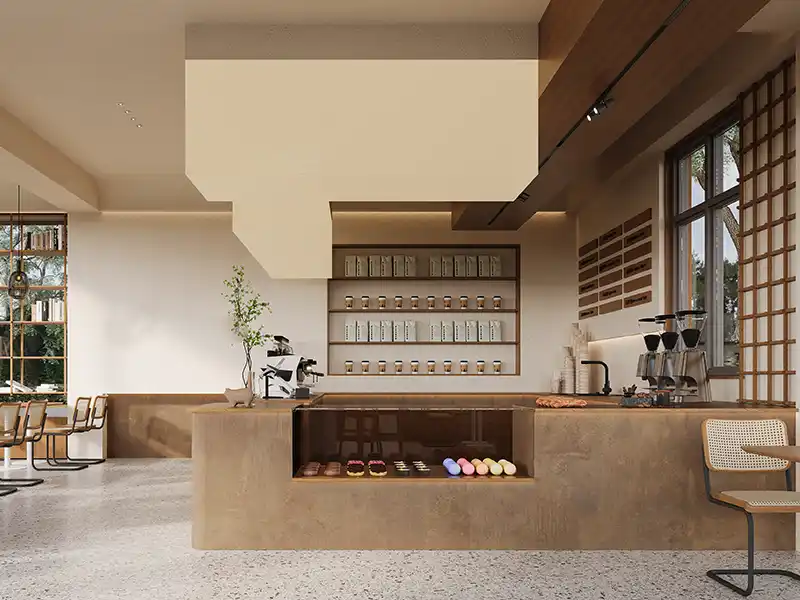
A strong display strategy helps customers make faster decisions. You can also review ONI Display’s coffee kiosk display shelf and cafe counter example for product display inspiration.
Materials and Surface Finishes
Coffee kiosks need durable and easy-clean materials.
Common materials include plywood, MDF, stainless steel, tempered glass, acrylic, laminate, stone-effect panels, powder-coated metal, and LED lighting components. The final material choice depends on brand style, budget, hygiene requirements, and daily operating intensity.
High-touch areas such as counters, pickup zones, and preparation surfaces should resist scratches, stains, moisture, and frequent cleaning. Stainless steel is often used in preparation zones, while laminate, solid surface, or stone-effect finishes can create a polished customer-facing look.
For shopping malls, finishes should also support visual merchandising. Wood-grain surfaces can create warmth, black metal can feel modern, and white or neutral tones can make the kiosk look clean and fresh.
Lighting Design for Coffee Kiosks
Lighting helps a coffee kiosk stand out in a busy mall environment. Since customers often make quick decisions while passing by, good lighting can make the kiosk more visible, highlight key products, and strengthen the overall brand image.
A complete lighting plan may include logo lighting, menu lighting, display case lighting, under-counter lighting, shelf lighting, and ambient decorative lighting. Logo and menu lighting help customers recognize the brand and read offers clearly, while display lighting makes pastries, bottled drinks, and packaged products look more attractive.
Warm lighting often works well for coffee kiosks because it creates a comfortable, inviting, and premium feeling. However, product display areas still need enough brightness and color accuracy so customers can clearly see food texture, drink colors, and packaging details.
Lighting should be planned and integrated into the kiosk structure during manufacturing. Power supply, wiring routes, switch positions, heat control, and maintenance access should all be considered in advance.
Storage, Utilities, and Hygiene Details
A coffee kiosk needs more storage than it may appear to need. Cups, lids, straws, napkins, coffee beans, milk, syrups, snacks, cleaning tools, packaging, and backup stock all require organized storage. If storage is not planned well, the working area can quickly become crowded and messy during busy hours.
Storage should be divided according to daily workflow. Frequently used items should be placed near the preparation counter, while backup stock can be stored in lower cabinets or less active areas. Drawers, under-counter cabinets, adjustable shelves, and hidden storage compartments can help keep the kiosk clean, efficient, and easy to manage.
Utilities are also critical for daily operation. Depending on the menu and equipment, the kiosk may need power supply, water inlet, drainage, ventilation, refrigeration, and equipment maintenance access. These details should be confirmed with mall management before final production to avoid installation problems on site.
Hygiene details should also be considered during design and manufacturing. Easy-clean surfaces, sealed edges, splash protection, proper waste bin placement, sink access, and organized cleaning supply storage can help staff maintain a clean working environment.
Branding and Visual Merchandising
A custom coffee kiosk should express the brand clearly from the first glance. In a busy mall or commercial area, customers may only have a few seconds to notice the kiosk, so the overall design should make the brand easy to recognize, understand, and remember.
Branding can be shown through logo signs, color palette, material selection, lighting, menu style, packaging display, counter shape, and decorative details. These elements should work together instead of appearing separately. From a distance, the kiosk should attract attention; up close, it should create a clean, professional, and trustworthy impression.
Visual merchandising should also support product sales. Featured drinks, seasonal promotions, pastries, bottled drinks, and bundled offers should be placed where customers naturally look while ordering or waiting. Clear product grouping, good lighting, and simple signage can help customers make faster decisions and encourage add-on purchases.
The best coffee kiosk design does not rely only on decoration. It combines layout, lighting, display, signage, and brand details to guide customers from attention to ordering and purchase. A strong brand presentation can make a small kiosk feel more professional, memorable, and commercially effective.
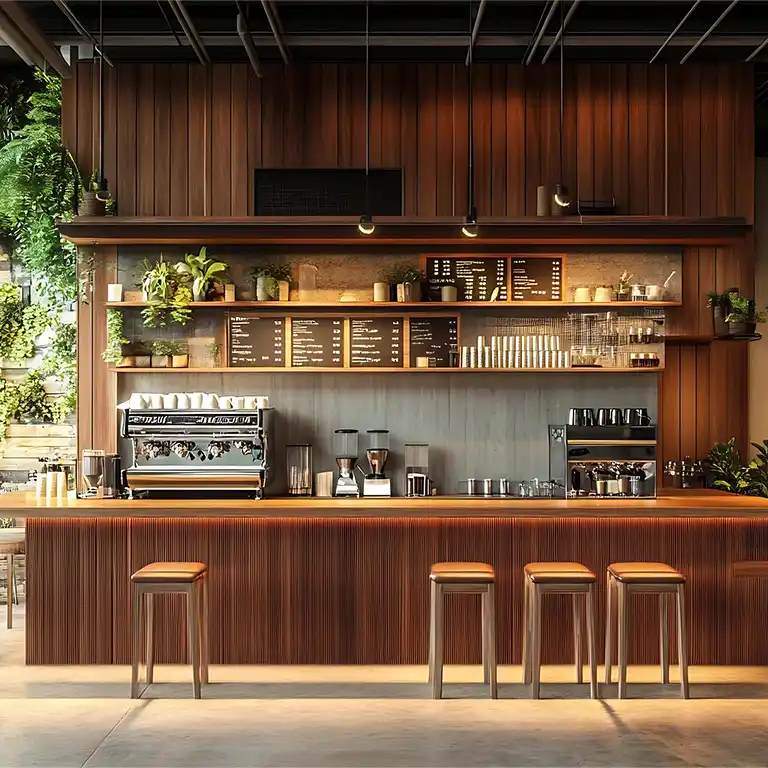
How to Choose the Right Coffee Kiosk Manufacturer
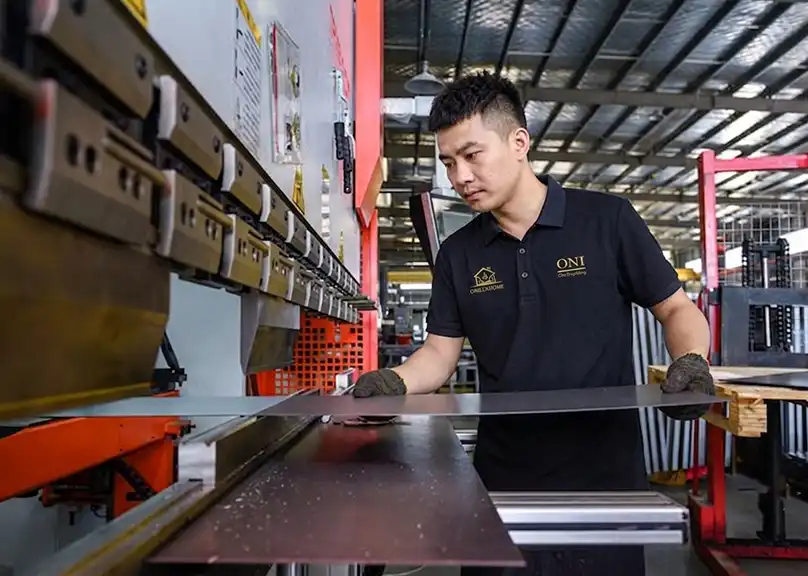
Choosing the right manufacturer is important for both design quality and project delivery. A capable kiosk manufacturer should understand retail layout, material engineering, shopfitting production, equipment coordination, lighting integration, export packing, and installation requirements. The manufacturer should be able to turn a 3D design into a practical, buildable, and durable kiosk. For global retailers, consistency is also important. If the brand plans to open multiple coffee kiosks in different malls or countries, the design should be scalable and repeatable.
With 25 years of industry experience and a 30,000-square-meter manufacturing headquarters in Guangzhou, ONI Display is one of the experienced coffee kiosk manufacturers supporting custom kiosk design, production, packing, and delivery for retail brands, contractors, designers, and shopfitting partners worldwide. Learn more from ONI Display’s factory tour and custom store fixture manufacturing pages.
Summary
A successful coffee kiosk combines smart layout, efficient workflow, durable materials, integrated equipment, strong branding, lighting, hygiene, and reliable manufacturing. For shopping malls and high-traffic commercial spaces, the design should not only attract customers but also support fast service, organized storage, easy cleaning, and smooth daily operation.
By working with an experienced coffee kiosk manufacturer, brands can create a practical, durable, and visually appealing kiosk that improves customer experience and supports long-term business growth.
Frequently Asked Questions
1. What should be included in a custom coffee kiosk?
A coffee kiosk usually includes order counter, preparation area, equipment space, storage, display case, menu board, lighting, branding, sink access, and checkout area.
2. What materials are best for coffee kiosks?
Durable and easy-clean materials are best, such as stainless steel, laminate, plywood, MDF, tempered glass, acrylic, powder-coated metal, and stone-effect surfaces.
3. Can a coffee kiosk be customized for different mall spaces?
Yes. Coffee kiosks can be customized in size, layout, materials, equipment openings, lighting, signage, storage, and installation method according to mall requirements.