


Choose clothing display racks based on layout, product type, material strength, brand identity, modular flexibility, and budget. Well-designed systems improve traffic flow, enhance visual merchandising, and increase conversions. The right supplier ensures consistency, scalability, and long-term retail efficiency.
Whether you are sourcing wholesale clothing display racks for a large retail outlet or creating a customized display solution for a retail store, we will help you pinpoint the best options that precisely meet your needs. Before making a final decision, this article will provide a comprehensive and in-depth overview of the various key factors involved in the purchasing process.
What Are the Core Factors You Should Consider When Selecting Clothing Display Racks?
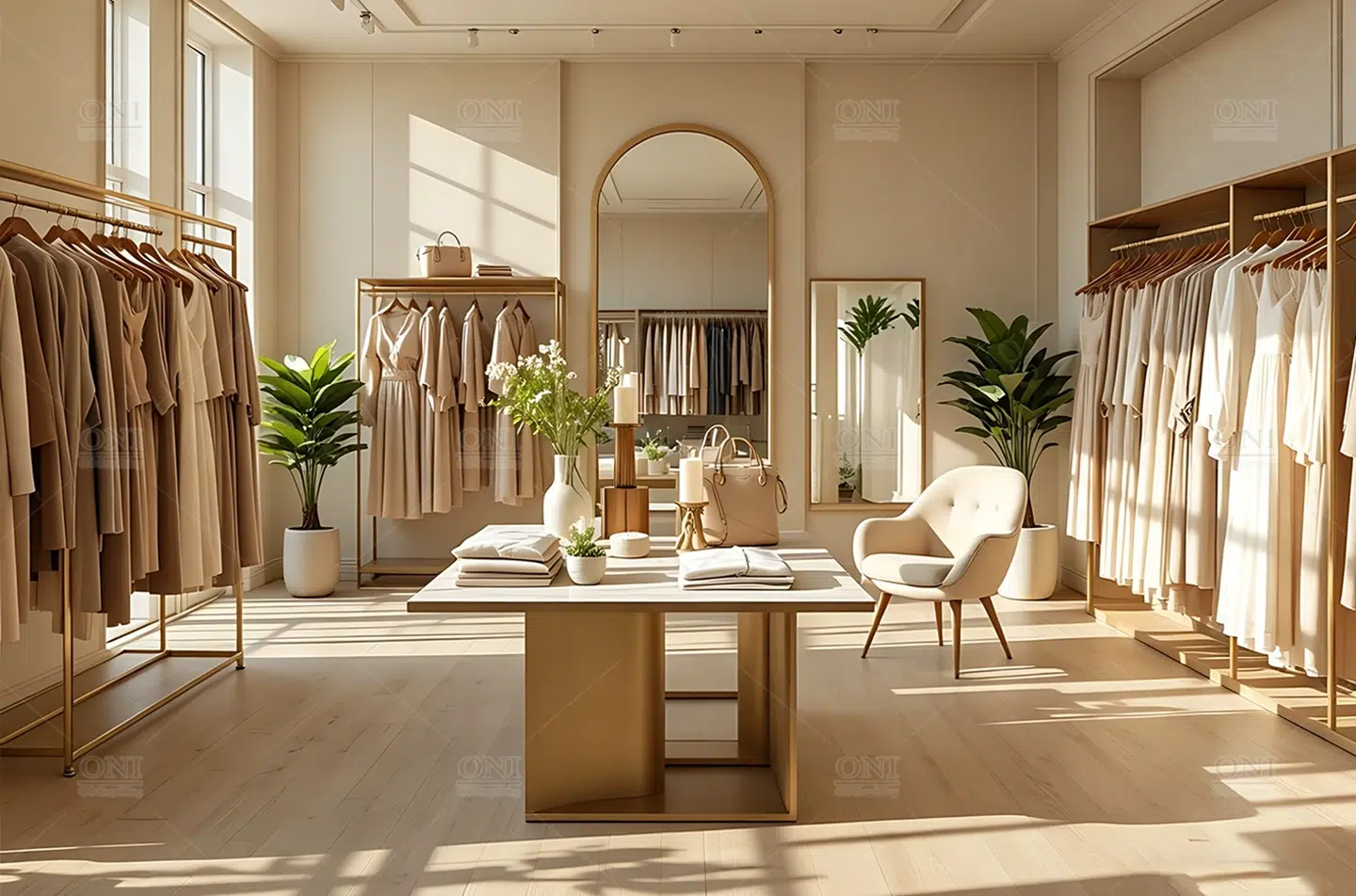
You should start by evaluating how your store functions in real retail conditions. Every decision you make affects customer movement, product visibility, and overall brand perception, so rack selection should always be based on actual shopping behavior rather than appearance alone. A well-planned system not only improves operational efficiency but also enhances the customer journey from entry to purchase.
1. Store Layout And Customer Flow Design
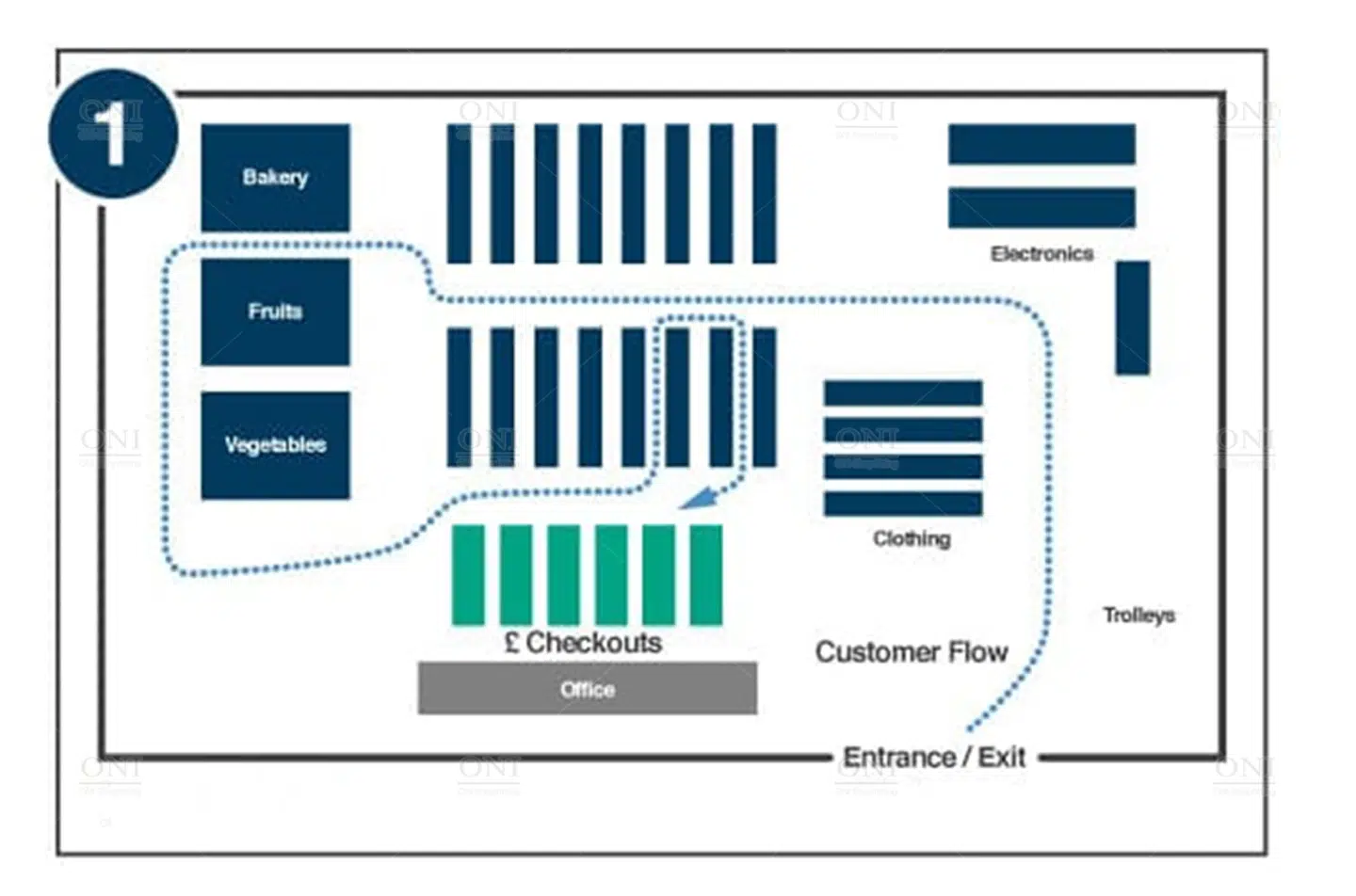
You must align your rack placement with how customers naturally move through your store. A well-planned layout improves browsing time and increases exposure to products placed in key zones. When aisles are too narrow or poorly structured, customers may feel restricted and leave earlier. Effective flow design guides shoppers intuitively through high-margin areas, encouraging longer dwell time and higher conversion rates.
2. Product Category Alignment
Different product types require different presentation styles. Matching rack systems to your merchandise ensures better visibility, accessibility, and overall shopping comfort.
Men’s fashion needs structured and organized presentation, often using clean linear racks to highlight simplicity and strength. Women’s fashion benefits from layered, visually rich displays that allow color coordination and outfit storytelling. Kids’ clothing performs best with lower-height racks and interactive layouts that make products easy for both children and parents to access. Accessories require compact, dense systems that maximize space while highlighting variety.
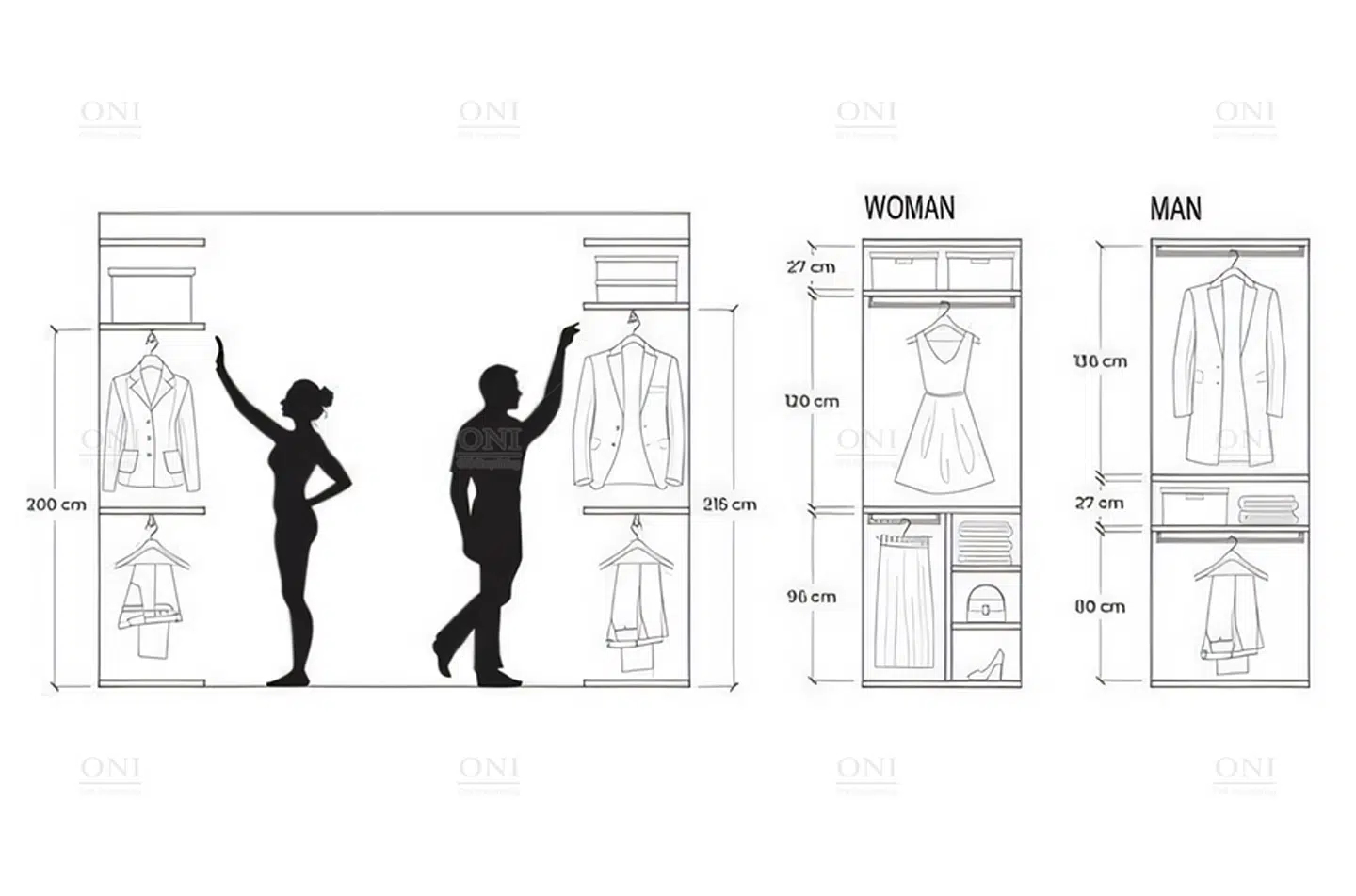
3. Material and Load Capacity
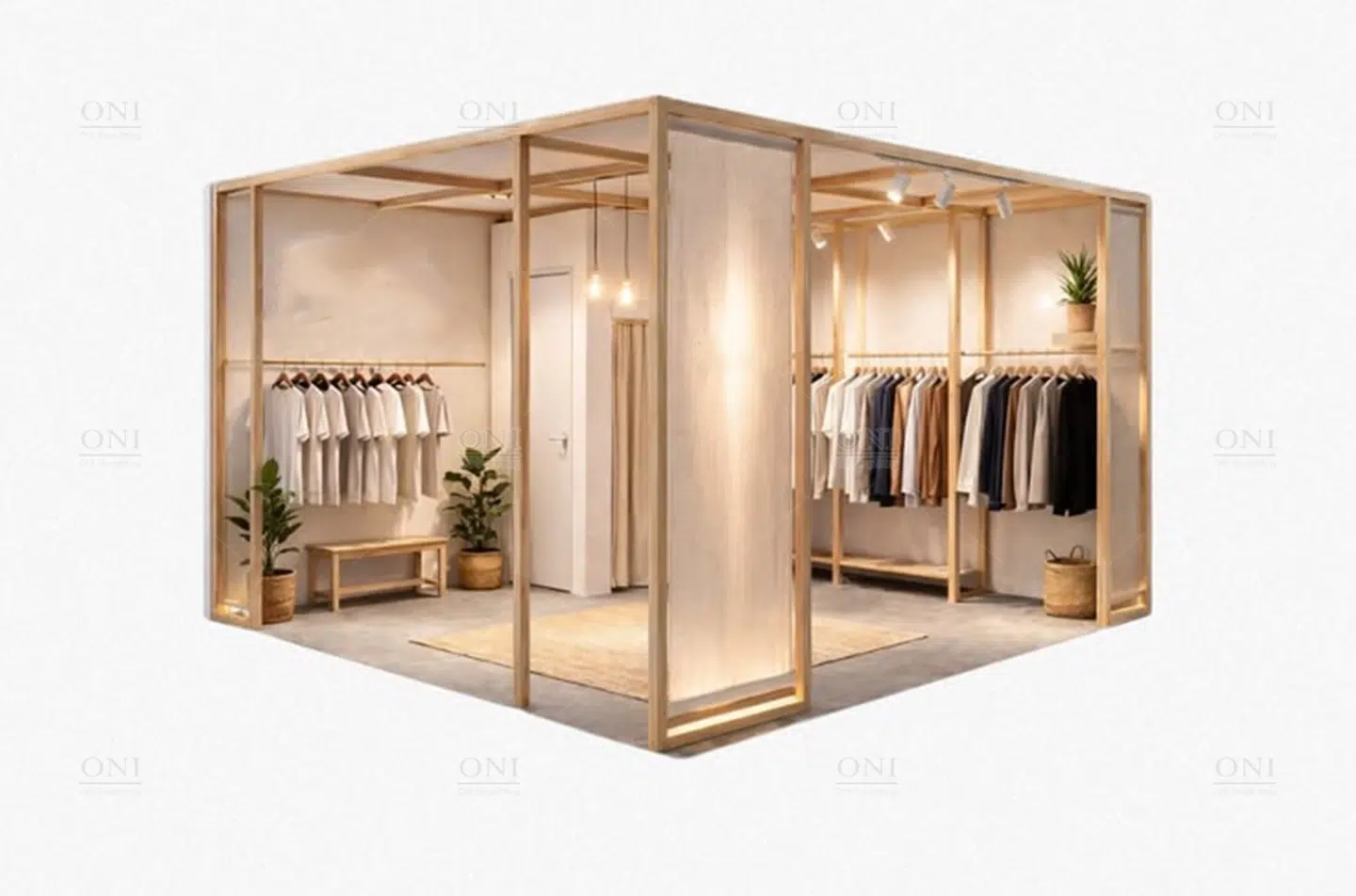
You need durable materials that match your store environment and expected product weight. Metal structures provide strong support for heavy usage and long-term stability, especially in high-traffic retail stores. Wood clothing display racks, on the other hand, create a warmer and more premium visual identity, often used in boutique or lifestyle-oriented stores. In all cases, load-bearing capacity and structural safety should never be compromised, especially for seasonal inventory changes.
4. Brand Consistency
Your display system must reflect your brand personality and positioning. Every rack should reinforce your store image and help customers instantly recognize your style identity the moment they enter. A luxury brand may require minimalistic, high-finish fixtures, while a streetwear brand may prefer industrial or modular designs. Consistency across all display elements strengthens brand recall and creates a more immersive shopping environment.
5. Modularity and Scalability
You should consider flexible systems that allow future changes without major reconstruction. portable clothing display racks and modular systems enable quick adjustments for seasonal campaigns, promotions, or store layout updates. This flexibility is especially important for fast-moving retail environments where trends and collections change frequently. Scalable systems also reduce long-term renovation costs and improve operational efficiency.
6. Budget and Cost Control
You need to balance upfront investment with long-term durability and maintenance costs. A low-cost system may seem attractive initially, but it can lead to higher replacement frequency and operational disruption over time. Investing in well-engineered rack systems ensures better structural stability, longer lifespan, and improved visual performance, ultimately delivering stronger return on investment for your retail space.
7. Supplier Design and Customization Capability
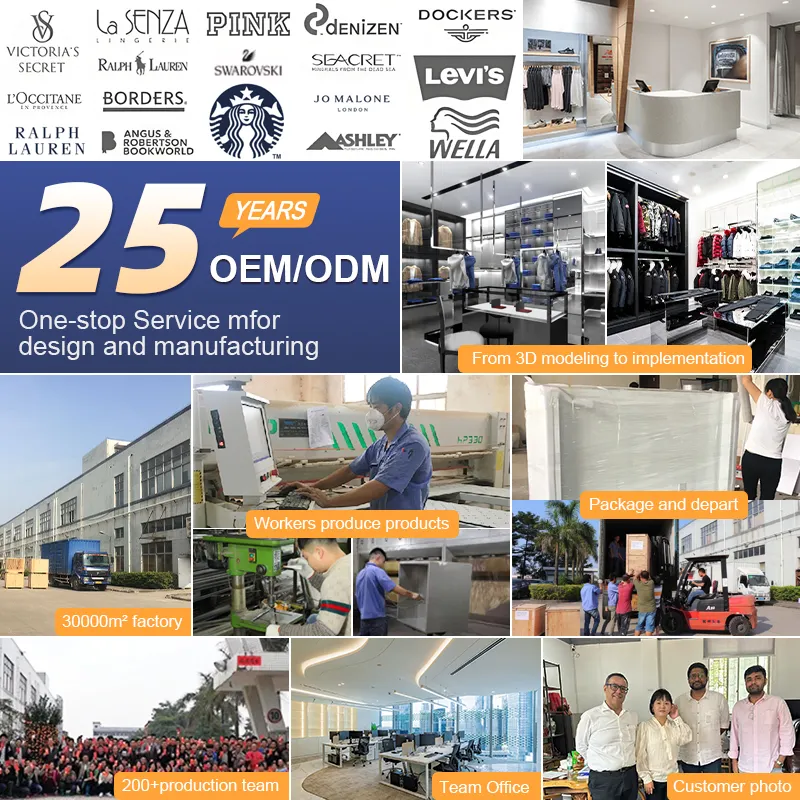
You should work with a supplier that offers complete design, manufacturing, and installation support to ensure consistency and quality control. ONI Display provides integrated turnkey solutions from concept development to global installation, helping retailers achieve cohesive store design across multiple locations. Strong customization capability ensures that every rack system aligns precisely with brand requirements, store dimensions, and merchandising strategy.
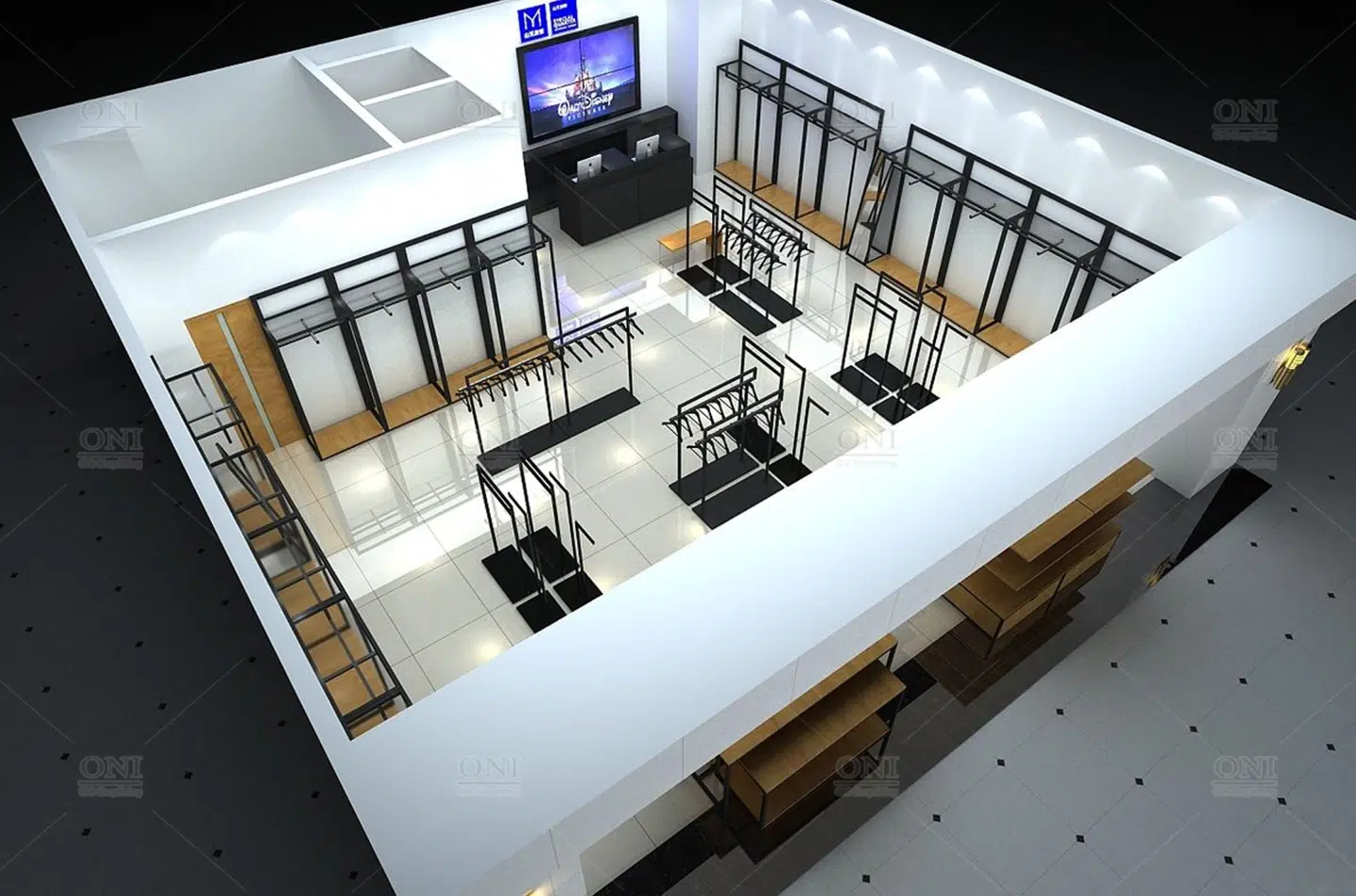
The Types of Clothing Display Racks Can You Choose for Your Store
You should first understand that different clothing display rack types are designed for different merchandising goals. In a well-planned retail environment, no single rack type can meet all needs. Instead, successful stores combine multiple display systems to balance space efficiency, product visibility, and customer experience. Choosing the right mix helps create a more organized, visually appealing, and commercially effective retail space.
Type | Main Function | Best Use Scenario |
Space optimization, vertical display, organized merchandising | Small to medium stores, maximizing limited floor space | |
Gondola Display | Central product visibility, double-sided access | High-traffic retail areas, fashion stores |
Garment Racks (Single/Double Rail) | Flexible hanging display for apparel | Seasonal collections, new arrivals, backroom-to-floor rotation |
Mobile Display Racks | Flexible repositioning with wheels | Pop-up stores, events, seasonal layout changes |
Pegboard Displays | Hook-based hanging for small items and accessories | Accessories, lightweight apparel, fast merchandising changes |
Corner Racks | Utilizing dead corner space efficiently | Small stores or irregular layouts |
Round Racks | 360-degree access to garments | Clearance sections, promotional items, high-rotation products |
How Should Different Store Types Influence Your Rack Selection?
You must adapt your choice based on business scale, retail strategy, and customer experience goals. Different store formats require different levels of flexibility, durability, and visual merchandising impact.
Small Boutique Stores
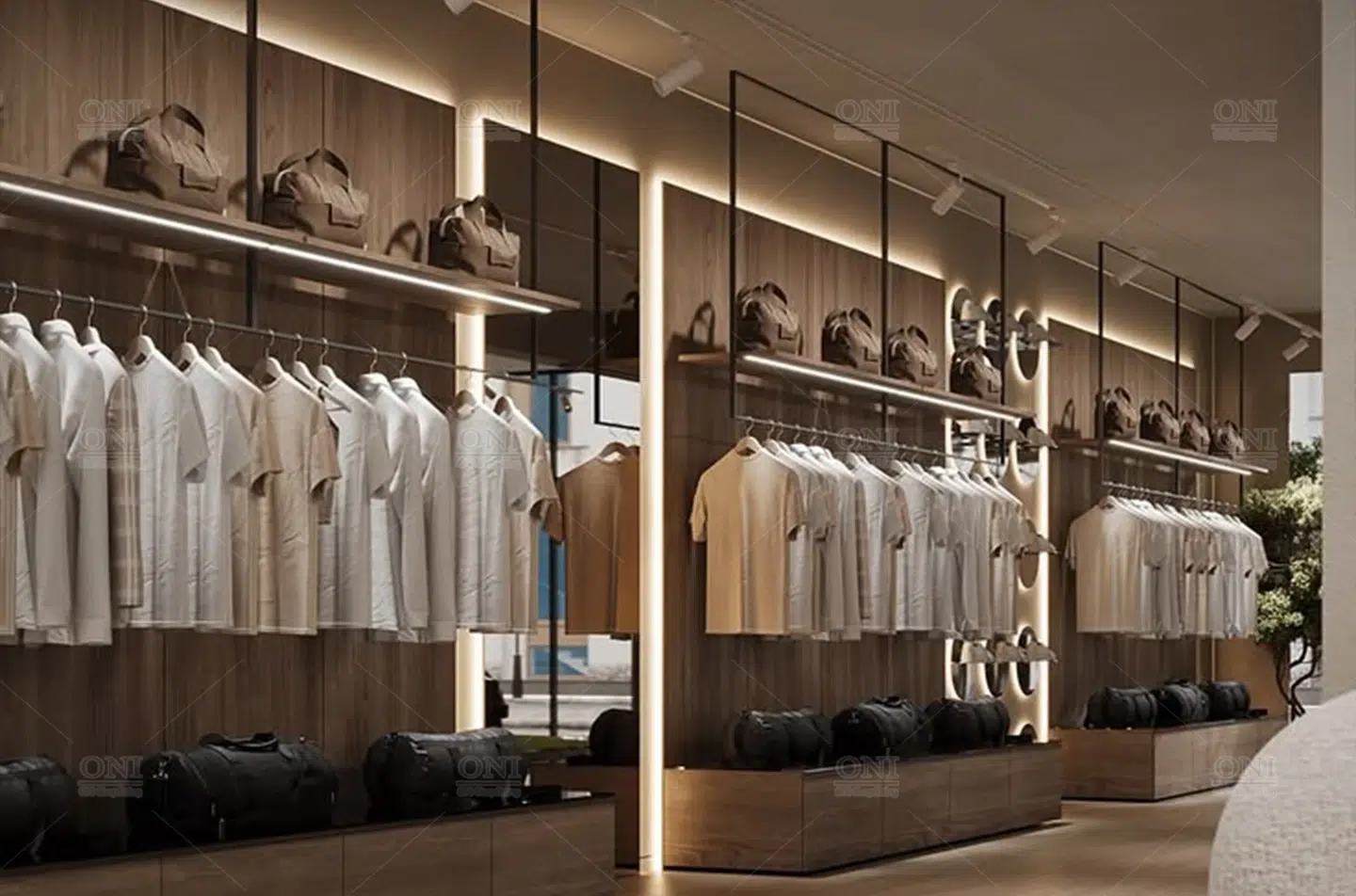
You should prioritize efficient use of limited space while maintaining a refined, premium aesthetic. Compact layouts with multifunctional clothing display racks help you maximize every square meter without overcrowding the space. Wall-mounted systems, slim garment racks, and modular shelving are ideal because they support a curated shopping experience. In boutique environments, every fixture must contribute to brand storytelling and atmosphere, so design consistency and material quality are especially important.
Large Chain Stores
You need standardized display systems that can be replicated across multiple locations to ensure brand consistency. In this case, scalability, durability, and operational efficiency are the most important factors. Modular gondola systems, uniform garment racks, and interchangeable shelving units allow fast store setup and consistent visual merchandising across regions.
Pop-up Stores
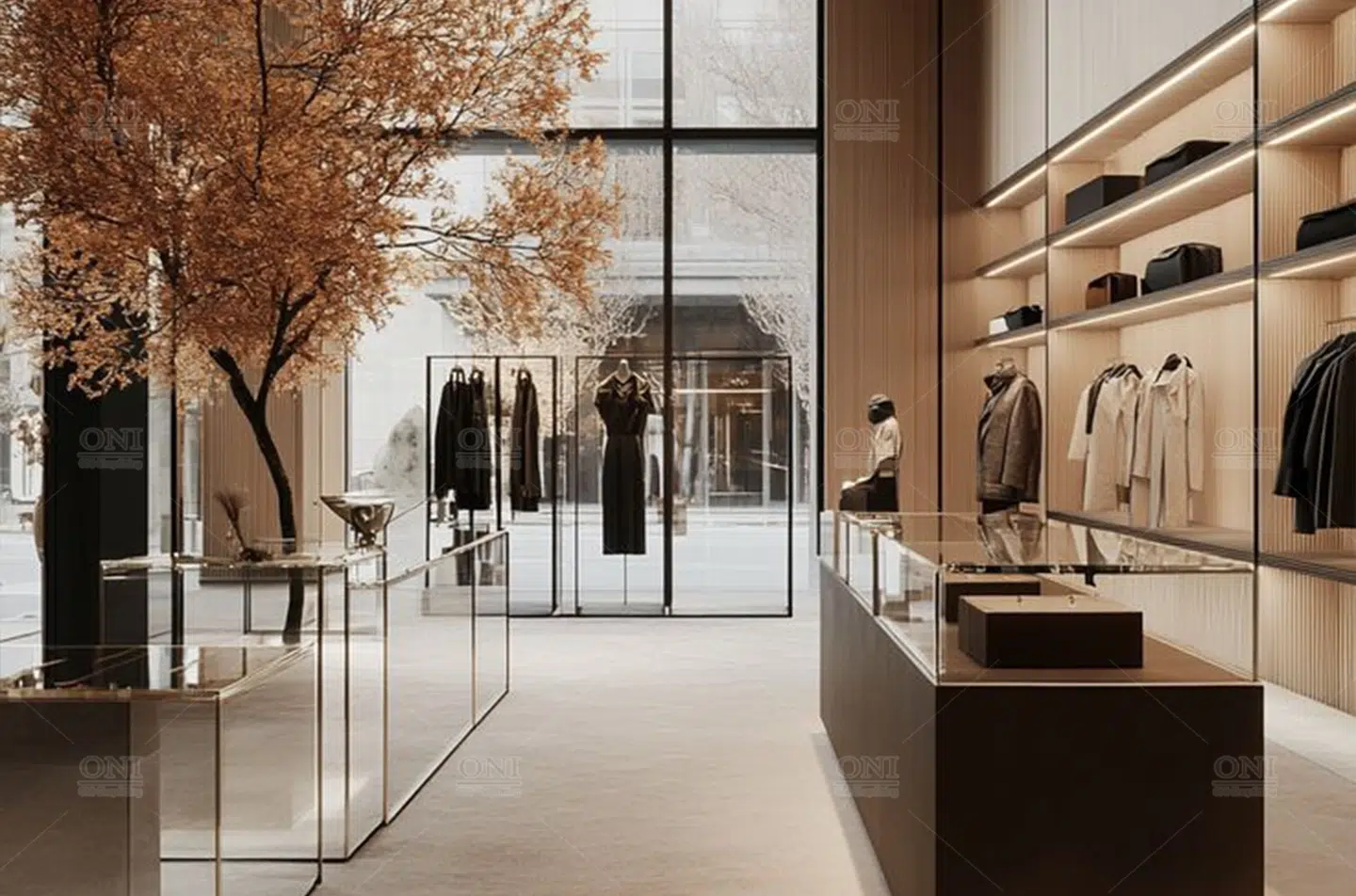
You should focus primarily on speed, mobility, and flexibility. Lightweight and portable clothing display racks are essential for fast installation and dismantling, especially in temporary retail environments. Folding racks, mobile fixtures, and modular display tables allow you to quickly adjust layouts based on space constraints or promotional needs. Despite their temporary nature, the design should still deliver strong visual impact to attract attention and drive short-term sales performance.
In Conclusion
You drive stronger retail performance by deploying the right display rack system, including custom clothing store fixtures. Strategic design, layout flexibility, and dependable supplier capability all play a vital role in your store’s success. ONI’s tailored display solutions create custom retail environments that improve space efficiency, reinforce brand identity, and support scalable global store expansion.
FAQ
1.What is the meaning of a clothes rack?
A: A clothes rack is a practical storage solution designed to hang, organize, and display garments such as shirts, coats, and dresses. It can be freestanding or wall-mounted and is commonly used in homes, retail stores, and warehouses to keep clothing neat, accessible, and wrinkle-free.
2.What is the difference between a garment rack and a clothing rack?
A: A garment rack typically refers to a more heavy-duty and commercial-grade structure used in retail stores, showrooms, or industrial environments, often designed for higher load capacity and mobility. In contrast, a clothing rack is a broader term commonly used for everyday home storage, focusing more on convenience, lightweight design, and aesthetic appeal.
3.What is the best material for clothing racks?
A: The best material for a clothing rack depends on its intended use, but stainless steel is generally considered the best option due to its strength, durability, and resistance to rust. For a balance between cost and performance, coated carbon steel is a popular choice, while wood is preferred for decorative purposes, and plastic is suitable for lightweight or temporary use.
👉 Get in touch with us today to start your project.
🌐 Website: www.onidisplay.com | www.onishopfitting.com