Grocery Store Fixtures: The Hidden System Behind Better Sales and Smoother Stores



Walk into a well-run grocery store and you’ll notice more than fresh produce—you’ll see a carefully planned system of Grocery Store Fixtures guiding every step of the shopping journey.
From retail display shelves to glass display cases and simple checkout counter designs, these fixtures quietly shape customer behavior, improve efficiency, and drive sales.
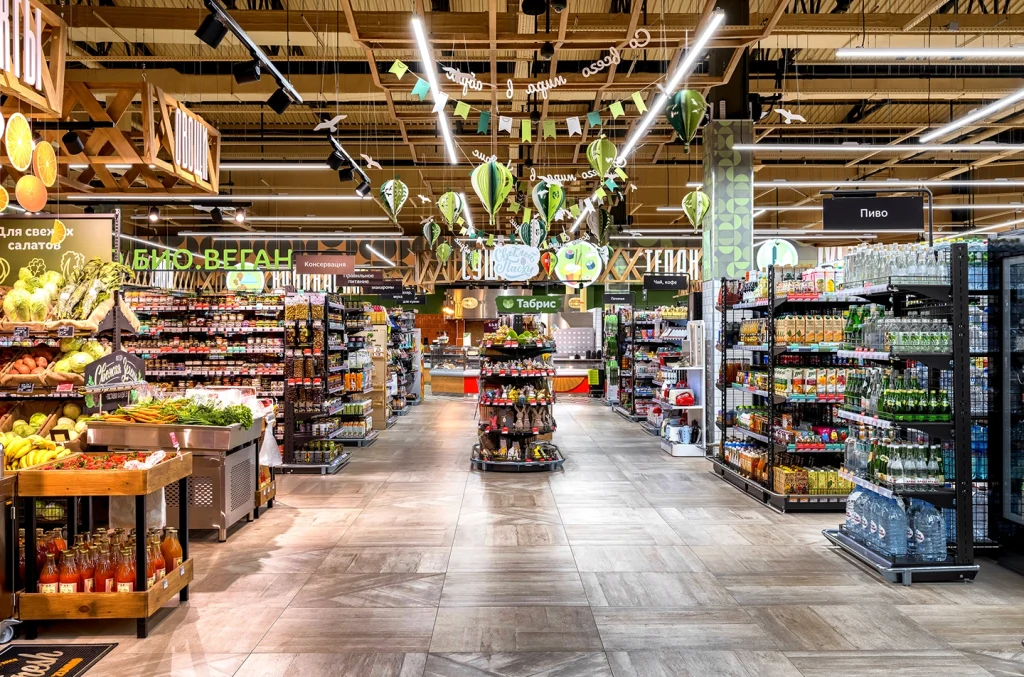
What Are Grocery Store Fixtures, and Why Do They Matter?
First, let’s clarify: Grocery Store Fixtures refer to the permanent or semi-permanent structures used to display, store, and organize merchandise. This includes everything from produce bins at the entrance to checkout counters at the exit.
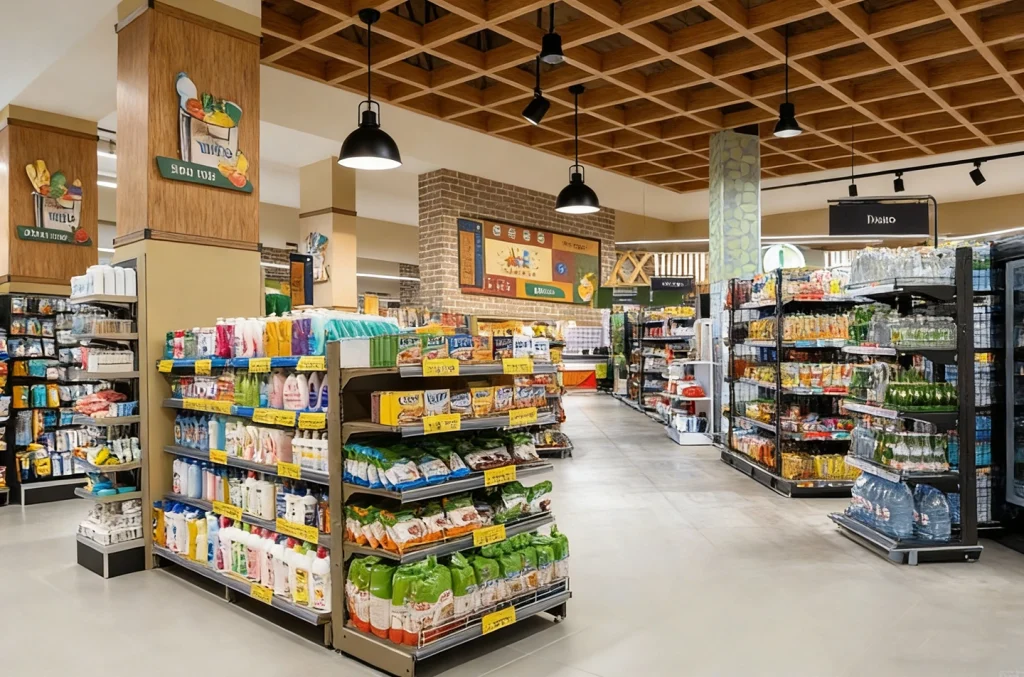
While they might seem like “background” elements, their importance cannot be overstated. For customers, well-designed retail store shelves and displays create a seamless, enjoyable shopping experience. They make it easy to navigate, keep aisles clear, and encourage impulse buys through strategic placement.
For store owners, the right fixtures improve operational efficiency: they maximize storage space, simplify restocking, and help maintain a clean environment. In short, Grocery Store Fixtures are the bridge between your products and your customers. Investing in the right ones not only enhances functionality but also makes your store more inviting, leading to higher satisfaction and repeat business.
Essential Types of Fixtures and Their Strategic Uses
Not all fixtures are created equal. To ensure your display shelf setup delivers maximum ROI, here are the core types you need to know:
1. Shelving Units: The Backbone of Your Store
Shelving is the most versatile fixture in any retail environment. When choosing, consider:
Material: Metal is durable and easy to clean. Wood adds a rustic warmth. If you want to highlight premium items, using glass or a sleek glass display case for retail stores creates a modern, high-end look.
Adjustability: Adjustable retail display shelves are a must to accommodate products of varying heights.
Capacity: Ensure you have heavy-duty options for bulk items and lighter shelving for smaller merchandise.
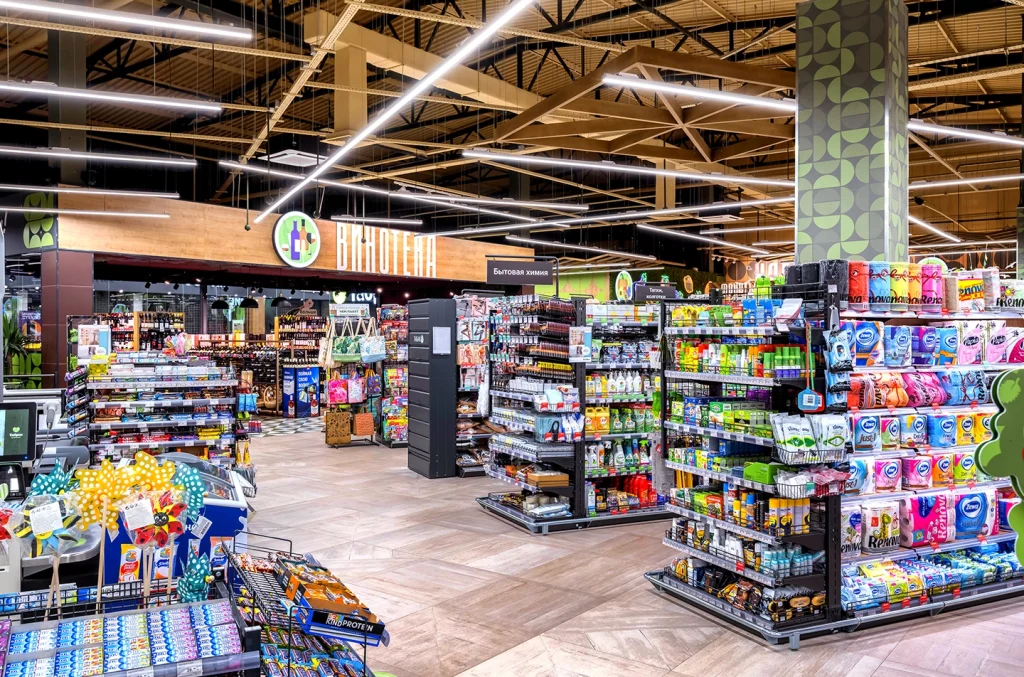
2. Produce Fixtures: Highlighting Freshness
Produce is often the first impression. Use tiered racks and bins designed for drainage to keep fruits and vegetables visible and accessible. Effective fixtures here set the tone for the quality of the entire store.
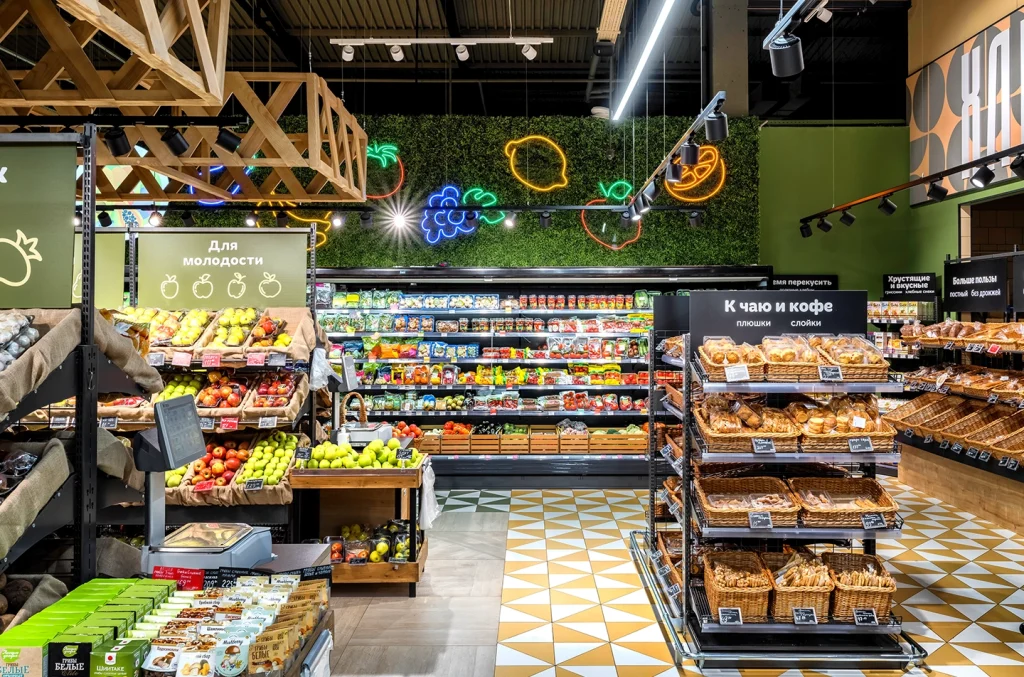
3. Refrigerated Fixtures: Preserving Quality
For perishables, reliable refrigeration is non-negotiable. Beyond standard open-air coolers, consider the aesthetic appeal. Glass-front deli cases are essential for showcasing prepared foods while maintaining safety standards.
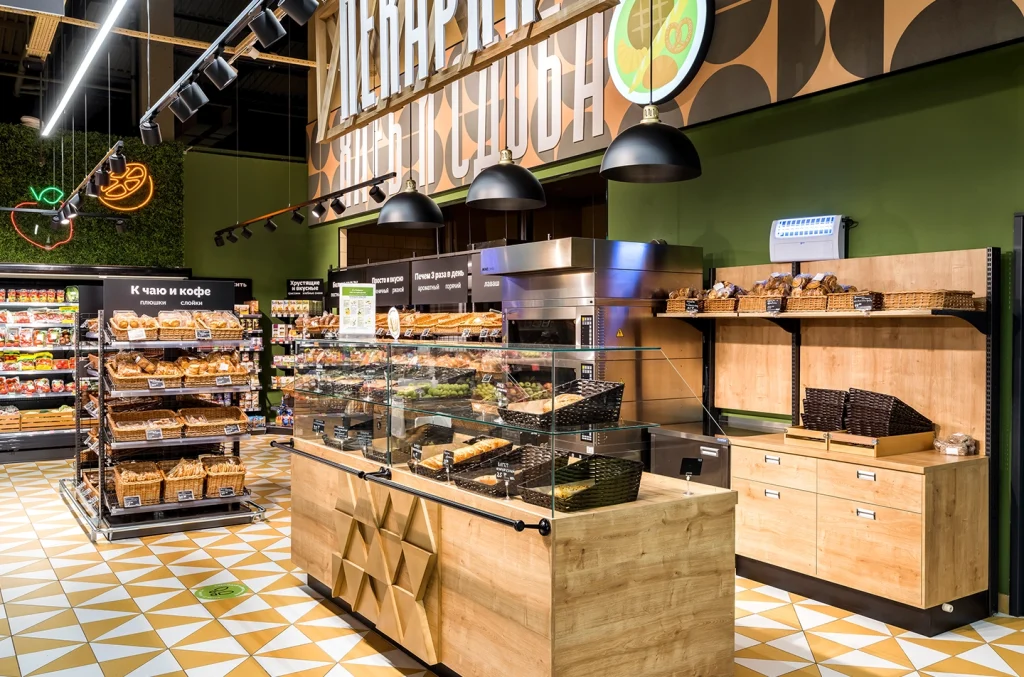
4. Endcap Fixtures: Driving Impulse Buys
The ends of your aisles are prime real estate. These fixtures are perfect for promotional or seasonal items, catching the customer’s eye as they navigate between aisles.
5. Checkout Fixtures: Sealing the Deal
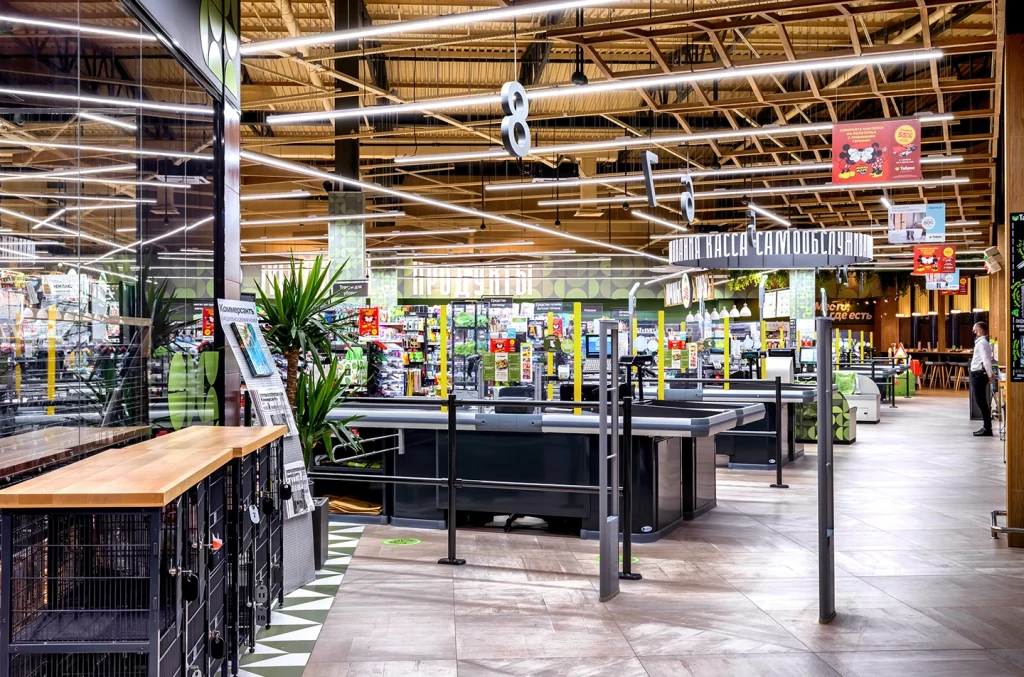
The checkout area is your final opportunity for sales.
Checkout Counters: A simple checkout counter design can streamline the payment process while offering built-in storage for staff efficiency.
Impulse Racks: Don’t forget the small details. A strategically placed lollipop stand or a compact rack for gum and magazines is a proven method to boost revenue with last-minute additions.
Tips for Choosing and Arranging Fixtures
Now that you understand the types, how do you arrange Grocery Store Fixtures for maximum impact?
1. Optimize for Store Layout and Flow
Map out your customer flow before purchasing. Most stores use a loop layout. Your fixtures should support this, placing staples strategically to draw customers through the entire store.
2. Balance Functionality with Aesthetics
Fixtures must be functional—secure and easy to restock. However, aesthetics matter. Choose materials that align with your brand voice. A beautiful but impractical display shelf will only hinder operations in the long run.
3. Prioritize Scalability
Choose modular, adjustable fixtures. As your product mix evolves, your fixtures should be able to adapt. Avoid rigid, custom-built structures that limit future flexibility.
4. Test and Adjust
Monitor how customers interact with your displays. Are aisles too narrow? Are products on high shelves ignored? Use this data to adjust shelf heights or relocate fixtures to improve flow and sales.
Final Thoughts: Invest in Fixtures That Grow With You
Grocery Store Fixtures are more than storage solutions—they are an investment in your store’s success. The right fixtures make your operations smoother and your customers happier. Take the time to research, test, and create a space that not only showcases your products but elevates the entire shopping experience.
👉 Get in touch with us today to start your project.
🌐 Website: www.onidisplay.com | www.onishopfitting.com