Bookstore Display: Redefining the Attraction Principles of Physical Bookstores



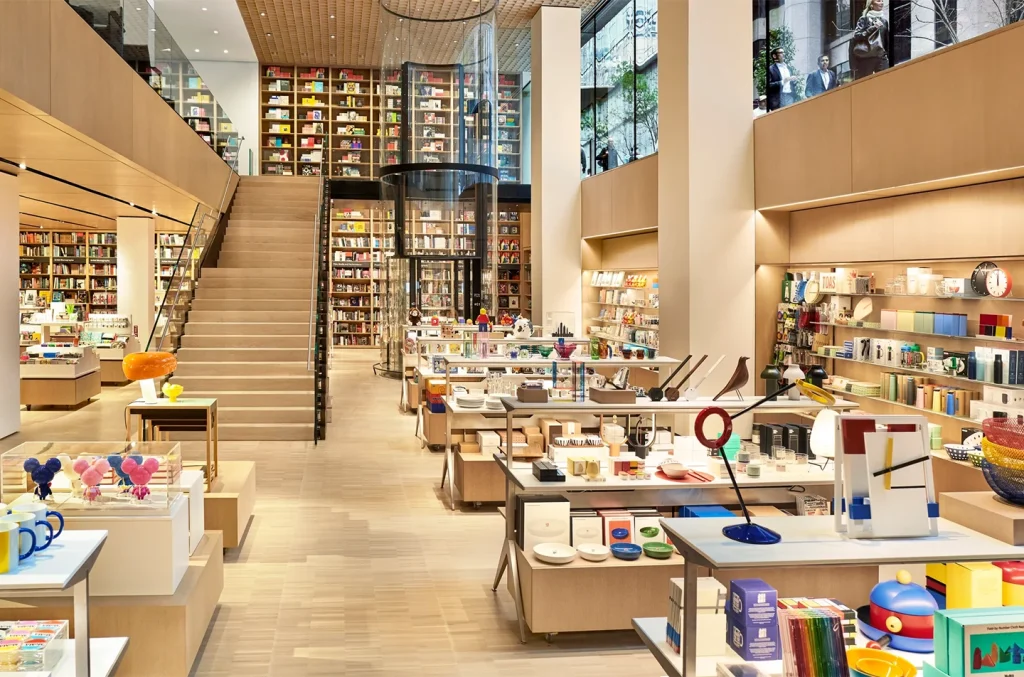
Upon entering a successful bookstore, what first captures your gaze is often not the uniform wall of bookshelves, but a meticulously curated endcap, a table displaying selected reads, or an interactive spinner rack. These Bookstore Display units are far more than storage tools; they are silent salespeople, spatial narrators, and emotional bridges connecting readers to books. In an era dominated by online shopping, the core survival of physical bookstores lies in their irreplaceable atmosphere and sense of connection, and professional Bookstore Display design is the very foundation upon which this is built.
The Psychology of Display: Influence Beyond Arrangement
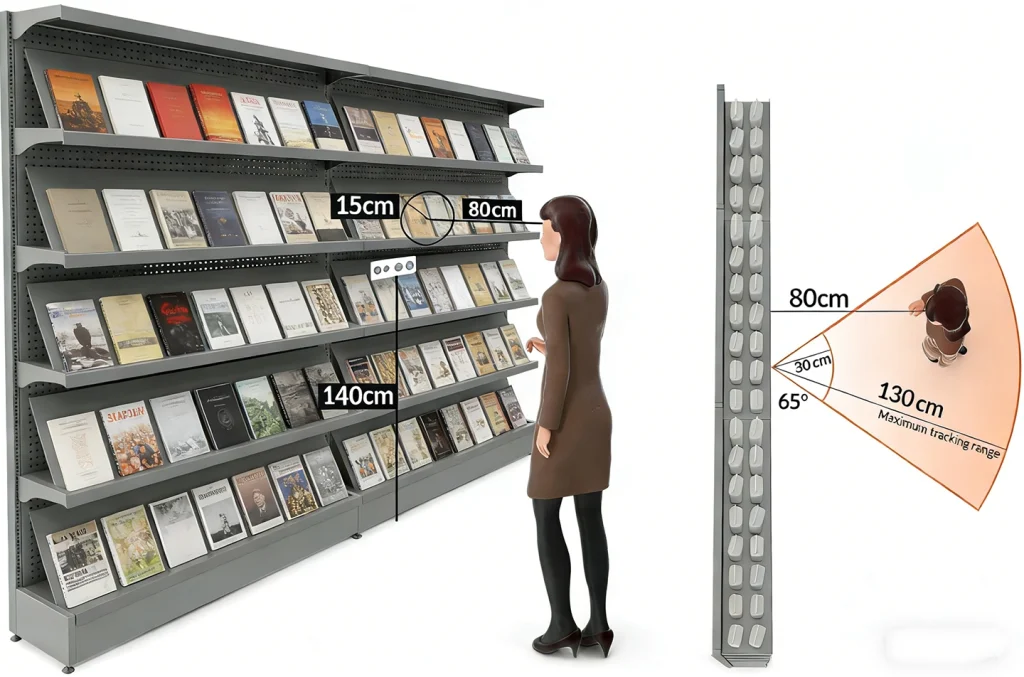
Professional Bookstore Display deeply understands and applies consumer psychology. Studies show that books placed at readers’ eye level (approximately 1.2-1.7 meters) can sell up to 30% more than those on bottom or top shelves. Therefore, the design of countertop book display stands or central tables for new releases is particularly crucial. “Face-out” arrangements (showing the book cover instead of just the spine) and explorable spinner racks effectively spark curiosity and a sense of discovery. On a deeper level, a thematic “Cozy Winter Reading Nook” display, complemented by blankets and warm lighting, can transform books on a bookcase into an emotion and a memory, elevating a purchase into an experience.
Core Display Units: A Professional Blend of Function and Aesthetics
Endcaps: The Prime Real Estate at Traffic Intersections
Located at the ends of shelving aisles, endcaps are the highest-traffic areas in-store, ideal for promoting new arrivals, bestsellers, or seasonal themes. The key is maintaining freshness—rotate them weekly and pair them with conversational signage, e.g., “If You Loved Project Hail Mary, Try These Next.”
Tiered Display Tables: Creating Visual Foci and Hierarchy
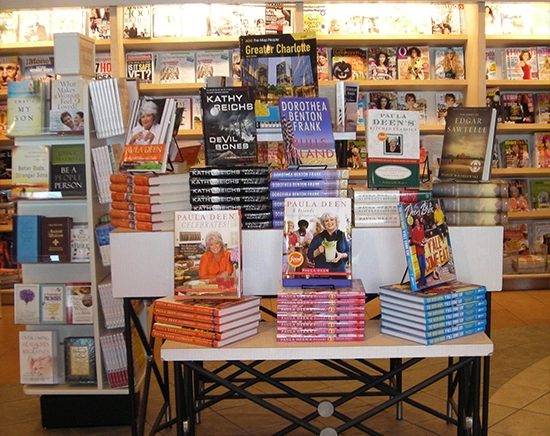
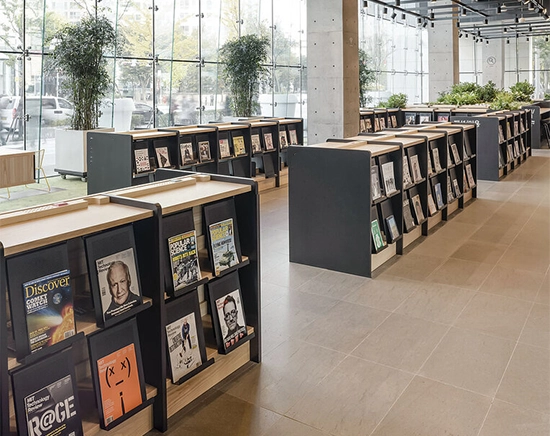
Low-profile tiered tables are excellent for highlighting specific themes, such as local authors or book club picks. In the children’s section, a colorful tiered book display table facilitates access; in the adult section, a “Staff Favorites” table with handwritten notes from clerks builds unique emotional connections.
Spinner Racks: Efficient Utilization of Vertical and Corner Space
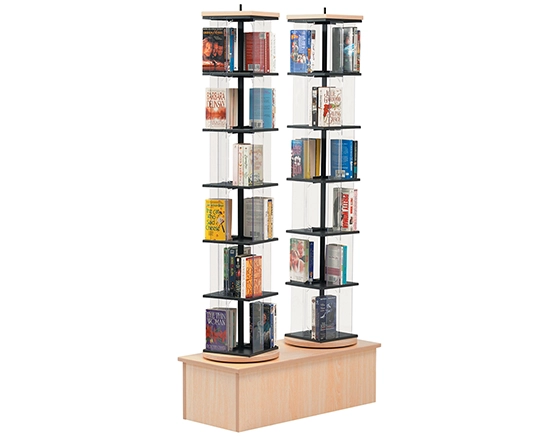
Spinner racks, with their compact size and high capacity, are perfect for displaying graphic novels, magazines, or indie publications. Clear categorization (e.g., “Sci-Fi Manga Corner”) helps readers locate items quickly, turning unused corners into efficient sales points.
Customized Reading Nooks: The Ultimate Expression of Brand Personality
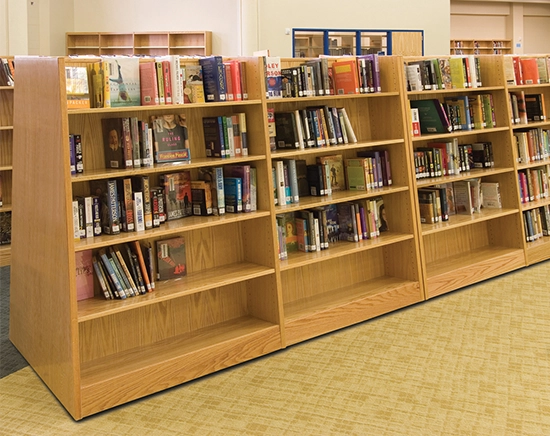
For bookstores seeking uniqueness, customized display units are key to shaping brand identity. Examples include a reclaimed wood bookshelf wall unit dedicated to classic literature, or a built-in storage bookshelf reading nook with integrated seating. These designs don’t just display books; they tell the bookstore’s story, attracting a like-minded community.
Professional Pitfall Guide: Details from Good to Great
Avoid Overcrowding: Leave 10-15% negative space on bookshelves or displays, allowing book covers to “breathe” and better attract visual focus.
Match Audience Habits: Display heights in children’s sections should be within reach; signage fonts in areas for older readers must be clear and legible.
Utilize Guiding Signage: Clear, friendly signage acts as a silent sales assistant, effectively reducing reader decision fatigue.
Maintain Dynamic Updates: Static displays become invisible to regulars. Establishing a routine for updates (e.g., weekly endcap rotations, seasonal theme changes) is crucial.
Future Trends: The Fusion of Physical and Digital Experience
Cutting-edge Bookstore Display is blurring the lines between physical and digital. Examples include adding QR codes on display signs that link to author interviews or reviews, or placing interactive touchscreens near large bookshelf cabinets for inventory checks or finding similar reads. Furthermore, display units made from sustainable materials (like bamboo shelves, reclaimed wood) align with contemporary values of conscious consumption.
Creating Connections, Not Just Transactions
Ultimately, exceptional Bookstore Display design is about creating deep connections—between people and books, people and space, and people with each other. It turns a casual browse into the possible start of a long reading journey, evolving the bookstore from a mere retail outlet into an indispensable cultural and spiritual haven within the community.
👉 Get in touch with us today to start your project.
🌐 Website: www.onidisplay.com | www.onishopfitting.com